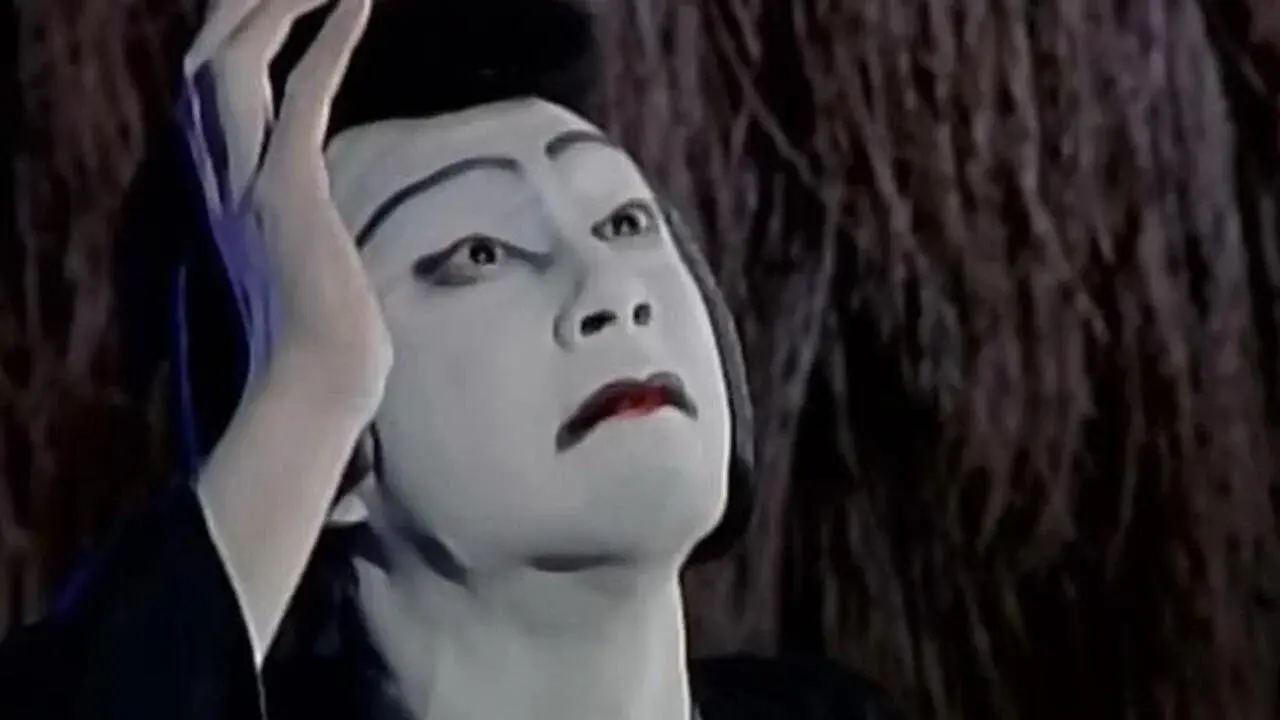

Top Cast
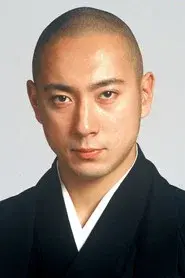
Ichikawa Ebizo XI

Komaki Kurihara

Masayuki Sakamoto

Masaomi Kondo

Nanako Okochi

Nenji Kobayashi

Ryūzō Hayashi
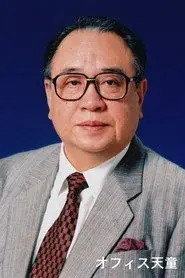
Ryūnosuke Kaneda
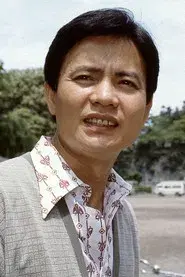
Taisaku Akino
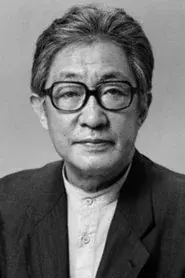
Kazuo Kitamura

Ichikawa Danjūrō XII
Key Film Crew
Production Stats
You May Also Like
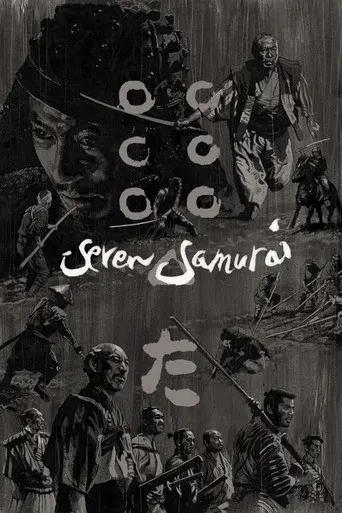
A samurai answers a village's request for protection after he falls on hard times. The town needs protection from bandits, so the samurai gathers six others to help him teach the people how to defend themselves, and the villagers provide the soldiers with food.
Seven Samurai
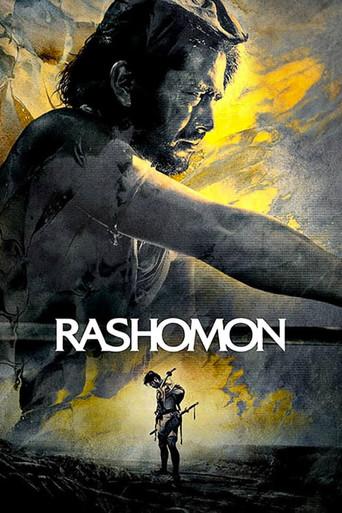
Four people recount different versions of the story of a man's murder and the rape of his wife.
Rashomon
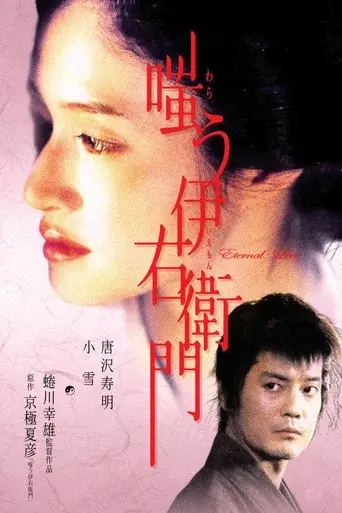
Having put down his sword and given up the will to fight, the masterless samurai Iemon lives in solitude while being haunted by his violent enigmatic past...
Warau Iemon
A poor peasant, after years of scraping, becomes a rich and powerful Osaka merchant. Mizoguchi Kenji's final project; he died before completing it and directing duties turned over to Yoshimura Kozaburo.
An Osaka Story

During the reign of Hidetada, the second shogun of the Tokugawa dynasty, the advisor Okubo Hikozaemon (Ganjiro Nakamura) entrusts the young Takechiyo (Hiroshi Kawaguchi) to the fishmonger Isshin Tasuke (Kazuo Hasegawa) to help him understand the world. Tasuke, who does not know that Takechiyo is the shogun's heir, trains him harshly. Tasuke's wife Naka (Michiko Ai) is concerned about his harsh teaching style, but Takechiyo gains strength day by day and adapts to his new life. Soon, Takechiyo begins secretly talking about love with a city girl named Otoyo (Hitomi Nozoe), but...
Shogun's Holiday
The Color Print of Edo is a 1939 black and white Japanese silent film with benshi accompaniment directed by Kazuo Mori. It is a cheerful period drama, sprinkled with comical scenes and tells the story of a loyal and handsome Edo period servant who fights to help his older brother marry the woman he loves. The star of this film, Utaemon Ichikawa, gained enormous popularity for his portrayal of a cheerful and chivalrous man.
A Color Print of Edo
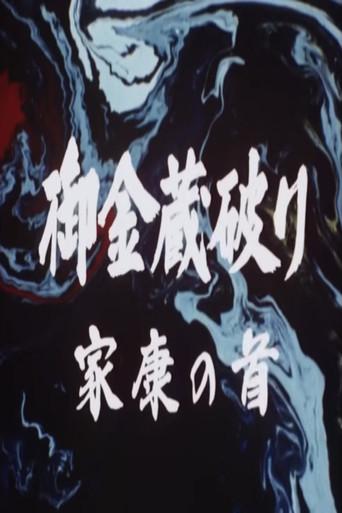
Ichibei, a thief known as "Yami no Kiba," and his daughter Oasa are caught by members of a street performer family with a nationwide organization when the kite they are riding falls deep into the mountains of Owari. Nitayu, the key person in the clan, learns of Ichibei's obsession to avenge his father's murder by the Tokugawas and promises to help him. When Ichibei learns of Shogun Ienari's plan to transport a pure gold statue of Prince Ieyasu from Sunpu to Edo Castle, he joins forces with the bandit Kojiro to steal it. ......
The Shogun's Vault III
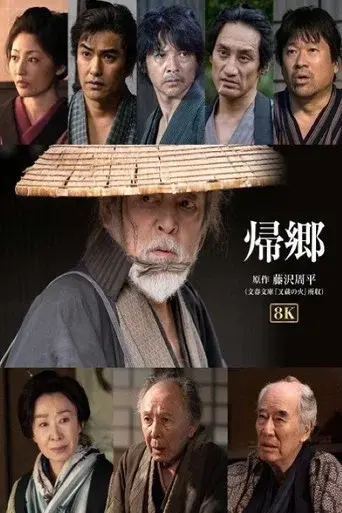
Tatsuya Nakadai, the world’s greatest living actor, returns to the screen in a brilliant adaptation of a story by novelist Shuhei Fujisawa. A traveling gambler known as “Funeral Uno” he is now 86 years old and returning to his hometown for the first time in 30 years. Partly told in flashbacks, he is forced to face his lifelong nemesis, Boss Kyuzo, a vile yakuza portrayed by another superstar of samurai cinema, Atsuo Nakamura! Before the two old gamblers can settle a 30-year-old score they must put their lives on the line in a game of dice that can only lead to a bloody sword duel the likes of which has never before been seen! Superb performances all around in a film loaded with surprises and exciting swordplay!
The Return

In the late 16th century, after the death of Nobunaga Oda, Hideyoshi Toyotomi takes power. The age of war is about to end, but Hideyoshi Toyotomi's rule makes life difficult for the people. Monk Senko Ikenobo is a master of flower arrangement. He prays for peace in the world and tries to give hope to the people with flower arrangement. He becomes good friends with Rikyu. Rikyu is a monk and a politician. He has the most profound influence on chanoyu. Rikyu is forced to commit hara-kiri by Hideyoshi Toyotomi’s order. Monk Senko Ikenobo challenges Hideyoshi Toyotomi.
Flower and Sword
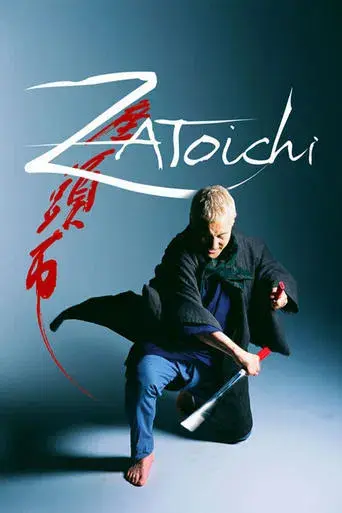
Blind traveler Zatoichi is a master swordsman and a masseur with a fondness for gambling on dice games. When he arrives in a village torn apart by warring gangs, he sets out to protect the townspeople.
Zatoichi
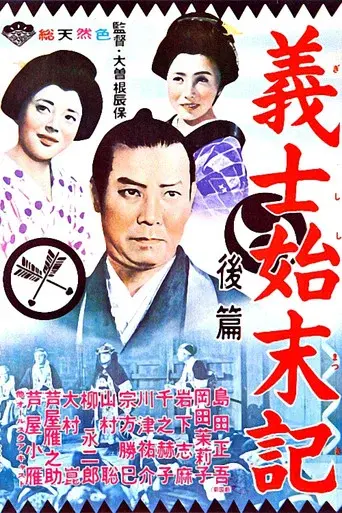
In the 15th year of the Genroku era (1688), the world praised the 47 ronin who avenged the death of their master Asano Takumi-no-kami. Shogun Tsunayoshi, who ruled at that time, experienced difficulties in what punishment to impose on the soldiers. As a result, it was decided to sentence them to seppuku (ritual suicide).
Records of loyal vassals
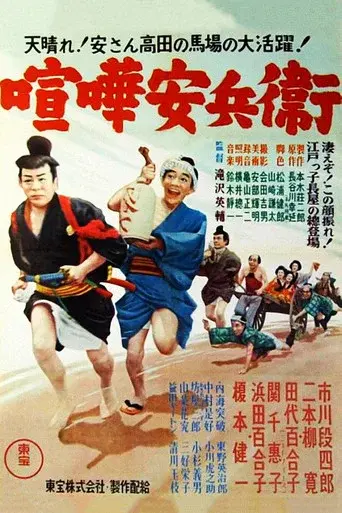
Yasube Nakayama left the clan and lives in Edo. One day, Yasubei visits his uncle Rokuroemon Kanno to borrow money from a moneylender in the amount of 13 ryo in order to save Oteru, the daughter of a merchant. However, the next day, Rokuroemon was killed in a fight by the Murakami brothers. Yasubei rushed to the scene, took revenge and became the husband of Miya, the daughter of Horibe Yahei.
Fighting Yasubei
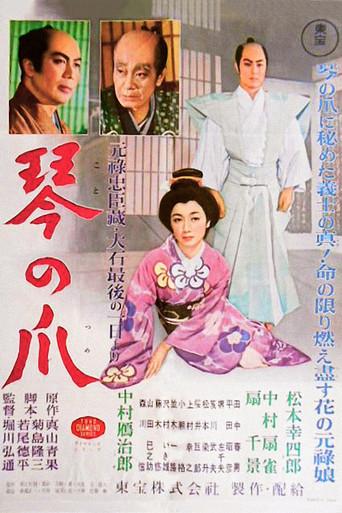
Seppuku Day 17 Ako ronins, including Kuranosuke Oishi, who were entrusted to the Hosokawa family, and the events of the two days before are depicted as a tragic romance between one of the ronins, Jurozaemon Isogai, and Omino. An adaptation of Seika Mayama play "Genroku Chusingura, the Last Day of Oishi", which tells about the torments of life and death of samurai living in feudal times.
Last Days of the Samurai
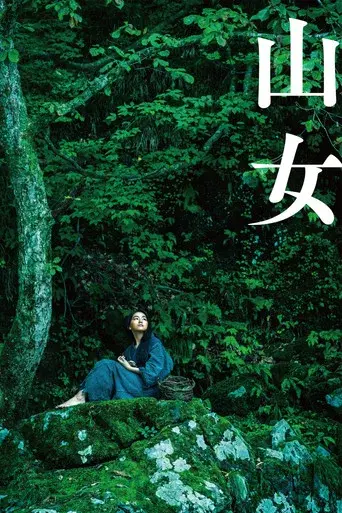
Late 18th century, Tohoku. An outcast girl, Rin lives in a village suffering from famine. She draws strength from Mt. Hayachine, where the spirits of humans ascend after passing.
Mountain Woman

Shakespeare's King Lear is reimagined as a singular historical epic set in sixteenth-century Japan where an aging warlord divides his kingdom between his three sons.
Ran

In this companion piece and sequel to "Yojimbo," jaded samurai Sanjuro helps an idealistic group of young warriors weed out their clan's evil influences, and in the process turns their image of a proper samurai on its ear.
Sanjuro

Seibei Iguchi leads a difficult life as a low ranking samurai at the turn of the nineteenth century. A widower with a meager income, Seibei struggles to take care of his two daughters and senile mother. New prospects seem to open up when the beautiful Tomoe, a childhood friend, comes back into he and his daughters' life, but as the Japanese feudal system unravels, Seibei is still bound by the code of honor of the samurai and by his own sense of social precedence. How can he find a way to do what is best for those he loves?