
Overview
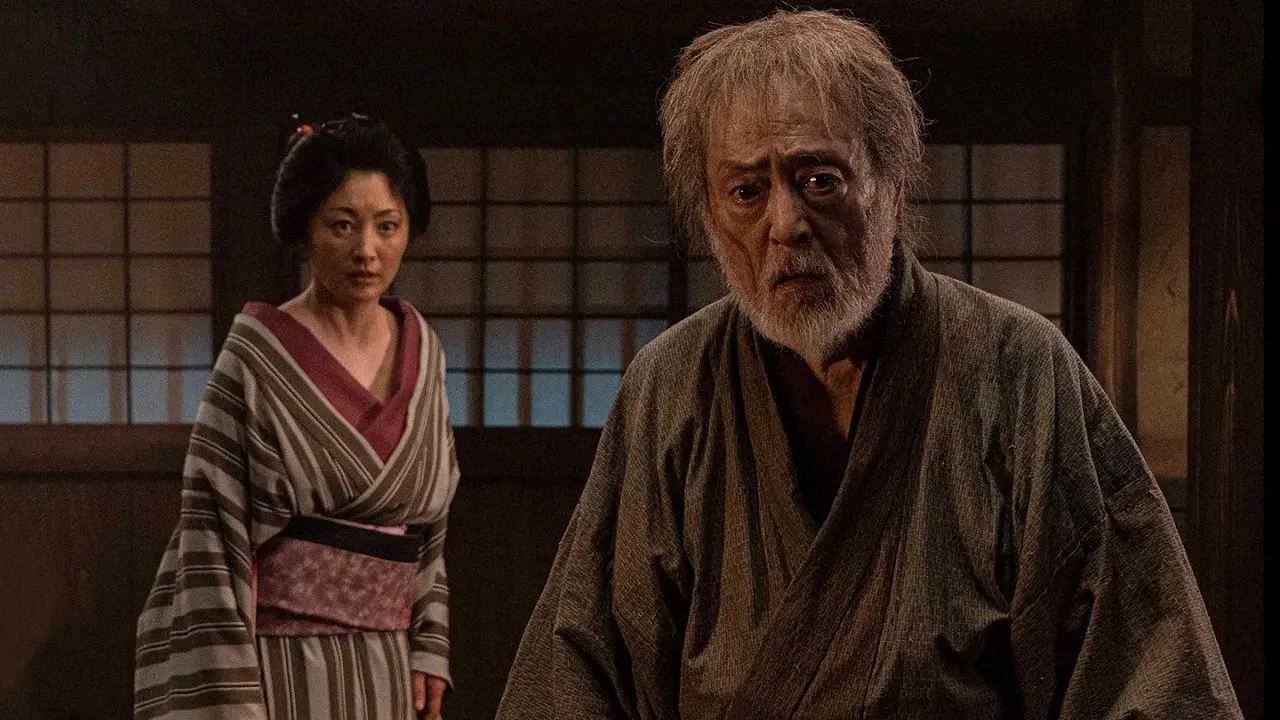
Tatsuya Nakadai, the world’s greatest living actor, returns to the screen in a brilliant adaptation of a story by novelist Shuhei Fujisawa. A traveling gambler known as “Funeral Uno” he is now 86 years old and returning to his hometown for the first time in 30 years. Partly told in flashbacks, he is forced to face his lifelong nemesis, Boss Kyuzo, a vile yakuza portrayed by another superstar of samurai cinema, Atsuo Nakamura! Before the two old gamblers can settle a 30-year-old score they must put their lives on the line in a game of dice that can only lead to a bloody sword duel the likes of which has never before been seen! Superb performances all around in a film loaded with surprises and exciting swordplay!
Top Cast
Tatsuya Nakadai
Unokichi

Takako Tokiwa
Okuni

Kazuki Kitamura
Younger Unokichi
Naoto Ogata
Genta
Jiro Sato
Eiji

Misato Tanaka
Otoshi

Aki Maeda
Oaki

Yoshiko Mita
Okou

Ayumi Tanida
Asakichi
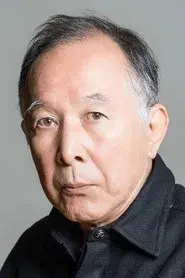
Isao Hashizume
Saichi

Atsuo Nakamura
Boss Kyuzo
Key Film Crew
Production Stats
You May Also Like

The erotic novelist Taeko is writing a morbid story of a family destroyed by incest, murder and abuse. Her assistant, Yuji, sets on a mission to uncover the reality of this story, but the reality might be too much to bear.
Strange Circus

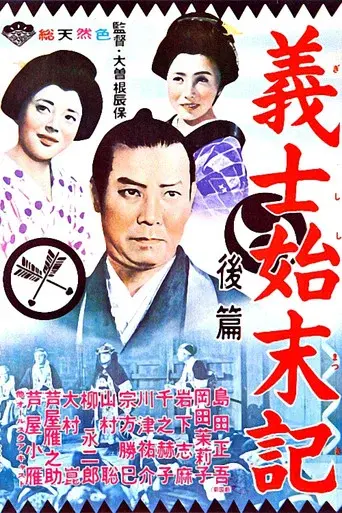
In the 15th year of the Genroku era (1688), the world praised the 47 ronin who avenged the death of their master Asano Takumi-no-kami. Shogun Tsunayoshi, who ruled at that time, experienced difficulties in what punishment to impose on the soldiers. As a result, it was decided to sentence them to seppuku (ritual suicide).
Records of loyal vassals
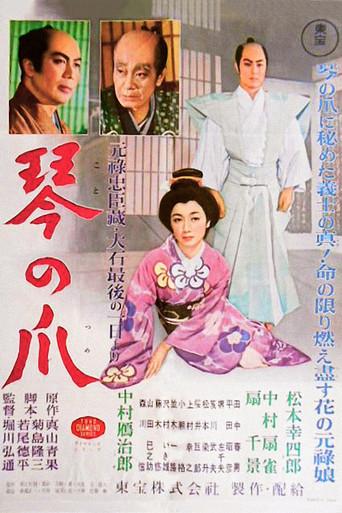
Seppuku Day 17 Ako ronins, including Kuranosuke Oishi, who were entrusted to the Hosokawa family, and the events of the two days before are depicted as a tragic romance between one of the ronins, Jurozaemon Isogai, and Omino. An adaptation of Seika Mayama play "Genroku Chusingura, the Last Day of Oishi", which tells about the torments of life and death of samurai living in feudal times.
Last Days of the Samurai


Fifth movie in the Hissatsu (Sure Death!) Series. At the behest of a corrupt bureaucrat, a mysterious band of murderers wage a bloody battle against three deadly assassins.
Sure Death 5
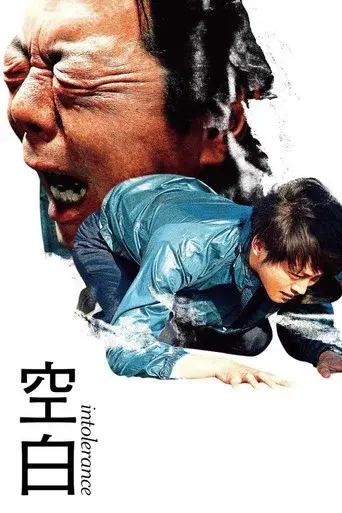
A teenage girl's accidental death incites a media frenzy and causes her harsh father to turn his rage against those he believes are responsible.
Intolerance
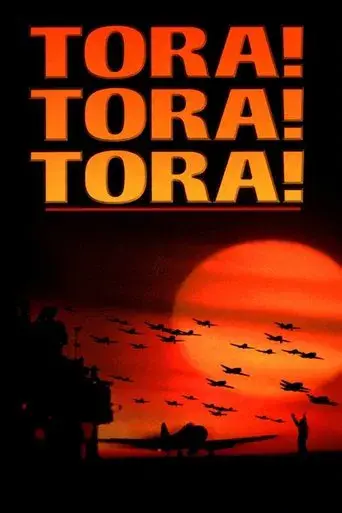
In the summer of 1941, the United States and Japan seem on the brink of war after constant embargos and failed diplomacy come to no end. "Tora! Tora! Tora!", named after the code words used by the lead Japanese pilot to indicate they had surprised the Americans, covers the days leading up to the attack on Pearl Harbor, which plunged America into the Second World War.
Tora! Tora! Tora!
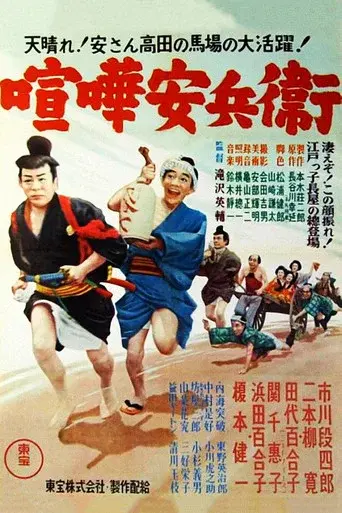
Yasube Nakayama left the clan and lives in Edo. One day, Yasubei visits his uncle Rokuroemon Kanno to borrow money from a moneylender in the amount of 13 ryo in order to save Oteru, the daughter of a merchant. However, the next day, Rokuroemon was killed in a fight by the Murakami brothers. Yasubei rushed to the scene, took revenge and became the husband of Miya, the daughter of Horibe Yahei.
Fighting Yasubei

In this companion piece and sequel to "Yojimbo," jaded samurai Sanjuro helps an idealistic group of young warriors weed out their clan's evil influences, and in the process turns their image of a proper samurai on its ear.
Sanjuro

In 2011, Vicky looks back on her life a decade earlier, recalling her turbulent relationship with her controlling boyfriend Hao Hao and her growing connection to a compassionate gangster amid the neon haze of Taipei's nightlife.
Millennium Mambo
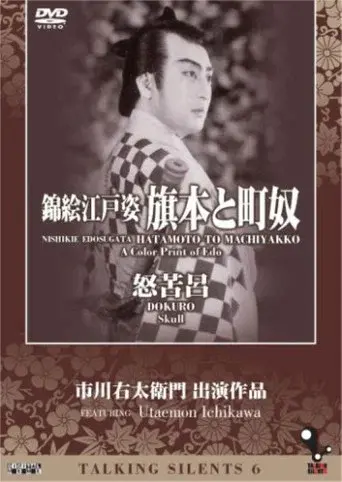
The Color Print of Edo is a 1939 black and white Japanese silent film with benshi accompaniment directed by Kazuo Mori. It is a cheerful period drama, sprinkled with comical scenes and tells the story of a loyal and handsome Edo period servant who fights to help his older brother marry the woman he loves. The star of this film, Utaemon Ichikawa, gained enormous popularity for his portrayal of a cheerful and chivalrous man.
A Color Print of Edo
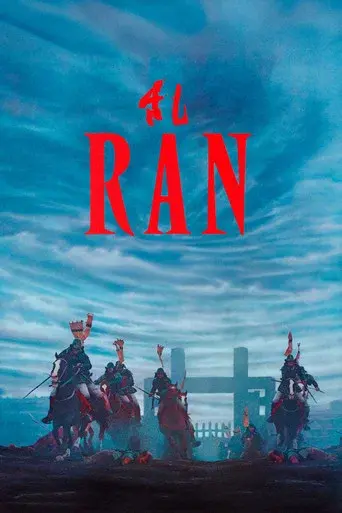
Shakespeare's King Lear is reimagined as a singular historical epic set in sixteenth-century Japan where an aging warlord divides his kingdom between his three sons.
Ran
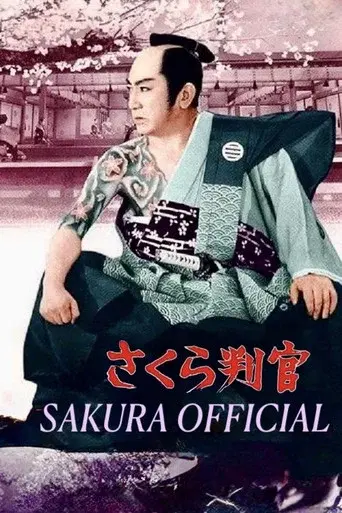
As Japan’s Tokugawa shogunate nears the end of its rule, Edo North Magistrate Toyama no Kinsan is called upon to judge the most difficult case of his career. In a masterfully woven tale, he has to face the truth about his estranged father’s possible involvement in a nefarious plot to take over rule of the Hizen Shimabara clan by assassinating the rightful lord, his son, and install one of Shogun Ienari’s offspring as daimyo.
Sakura Official
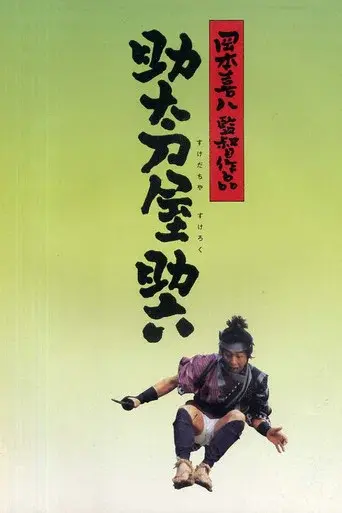
In a world where vendettas are officially sanctioned, the people sometimes needed help in carrying out their vengeance. Sanada Hiroyuki stars as Sukeroku the Helper, a ‘cool and rambling yakuza’ that has made a business out of helping victims carry out their revenge. When he returns to his hometown to pay a visit to his mother’s grave he meets a deadly ronin who carries a secret which eventually leads him into a vendetta of his own.
Vengeance for Sale
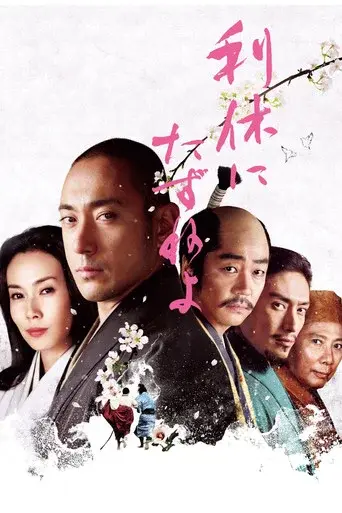
Sen no Rikyu (Ebizo Ichikawa) is the son of a fish shop owner. Sen no Rikyu then studies tea and eventually becomes one of the primary influences upon the Japanese tea ceremony. With his elegant esthetics, Sen no Rikyu is favored by the most powerful man in Japan Toyotomi Hideyoshi (Nao Omori) and becomes one of his closest advisors. Due to conflicts, Toyotomi Hideyoshi then orders Sen no Rikyu to commit seppuku (suicide). Director Mitsutoshi Tanaka's adaptation of Kenichi Yamamoto's award-winning novel of the same name received the Best Artistic Contribution Award at the 37th Montréal World Film Festival, the Best Director Award at the 2014 Osaka Cinema Festival, the 30th Fumiko Yamaji Cultural Award and the 37th Japan Academy Film Prize in nine categories, including Best Art Direction, Excellent Film and Excellent Actor.
Ask This of Rikyu
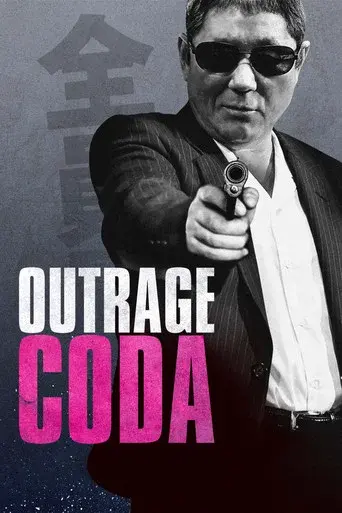
Five years after the all-out war between the Sanno and Hanabishi crime families, former yakuza boss Otomo works in South Korea for Mr. Chang, a noted fixer. When tensions rise between Chang and the Hanabishi, and Chang's life is endangered, Otomo returns to Japan to settle things once and for all.