

Overview
A revolutionary trans HIV+ sex worker manifesto.
Key Film Crew
Production Stats
You May Also Like
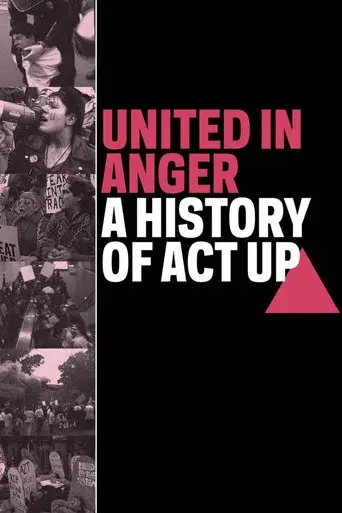


Produced by the activist video collective ACT UP/NY called DIVA TV (Damned Interfering Activist Television), this tape analyzes the collaborative demonstration "Stop the Church" by WHAM! (Women's Health Action and Mobilization) and ACT UP/NY on December 10, 1990, against Cardinal John O'Connor and the Roman Catholic Church's murderous stand on abortion rights, safer sex, and homosexuality.
Like a Prayer
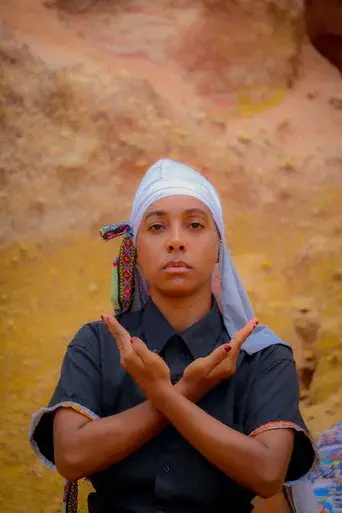
That Child with AID$ tells the story of Brazilian advocate and artist Lili Nascimento, who was born with HIV in 1990. Lili has worked to expand narratives about living with HIV beyond the limited images and ideologies that permeate the AIDS industry.
That Child with AID$

Heart Murmurs is a poetic dialogue between the filmmaker and Dean, a young man living in Hong Kong. In reflecting on his experience living with a congenital disability and HIV during the first years of the COVID pandemic, Dean expresses his sense of self in the face of regular medical challenges.
Heart Murmurs
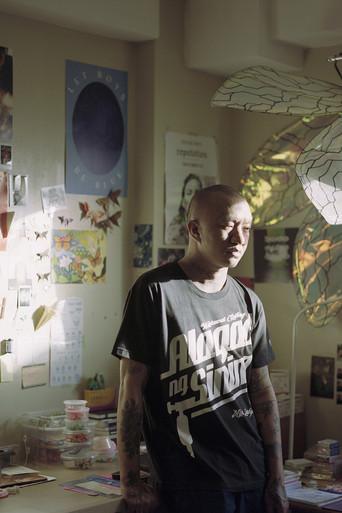
This Bed I Made presents the bed as a place of solace and agency beyond just a site of illness or isolation. Through the shared stories of two Filipino men living with HIV, the video explores modes of care, restoration, and abundance in the midst of pandemic pervasion.
This Bed I Made
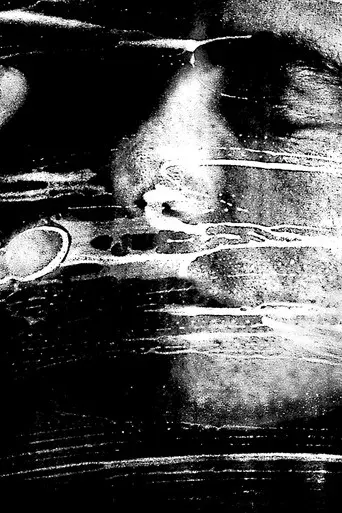
Losing the Light reflects the artist's bitter battle to stay in this world as a long-term survivor of AIDS who has lost his vision to CMV retinitis. An experimental self-portrait, the video evokes the dissolution and fragmentation of the artists body, representing the impact of blindness, long-term HIV infection, and the cumulative effects of decades of antiretroviral medication.
Losing the Light
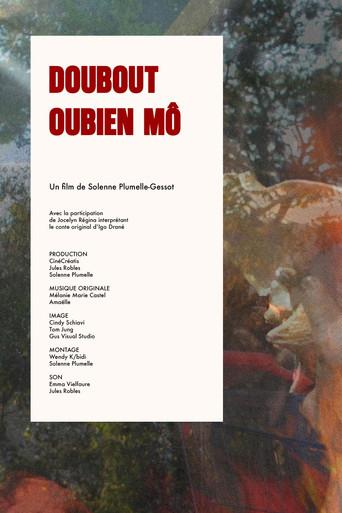
Since August 2024, in Martinique, a popular protest movement against the high cost of living has been reemerging under the leadership of the RPPRAC (Rassemblement Pour La Protection Des Peuples Et Des Ressources Afro-Caribéens – Gathering for the Protection of Afro-Caribbean Peoples and Resources). On the island, food prices are on average 54% higher than in mainland France.* Through various cultural figures, the people of Martinique are expressing their anger and seeking concrete solutions. *Source: Kiprix, Price comparison between supermarkets in the French overseas territories and mainland France.
DOUBOUT OUBIEN MÔ

HIV-positive bodies stage a reverse-arranging of flowers, stitched together with personal accounts of living with stigmatised illness.
Filament Fortune

The Rise of OnlyFans is an illuminating documentary that provides a comprehensive exploration of the unprecedented growth and cultural impact of the groundbreaking platform, OnlyFans.
The Rise of OnlyFans
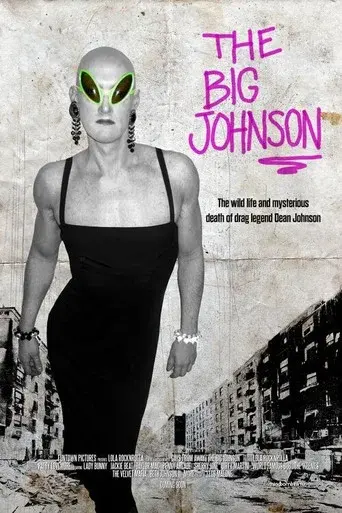
Dean Johnson, drag queen, rock star, LGBTQI activist, junkie, genius, escort then John Doe. How does someone so famous in New York die as an unknown in DC? This documentary explores the incredible highs and the crushing lows of Dean Johnson’s life and untimely death. Was it murder? Was it an accident? We may never know, but what is certain is that Dean and “the Big Johnson” changed New York City and all who knew him forever.
The Big Johnson

A young girl who lives with her poor father has to get her driver's license for a new part-time job. Because she doesn't have enough money, she has to pay for the lessons in a different, irregular way. And she does that with no other than the intriguing driving instructor Roy, but how is this going to end?
Raphaella moet Rijden

A choral story of women who worked as prostitutes and the feminist debate on abolitionism and regulation, through their life stories, desires and convictions.
Salir de puta

Using diary excerpts, photographs and memories from companions, the film paints the portrait of the artist Jürgen Baldiga who sensitively and authentically captured the West Berlin queer scene of the 1980s and early 1990s with his camera.
Baldiga: Unlocked Heart

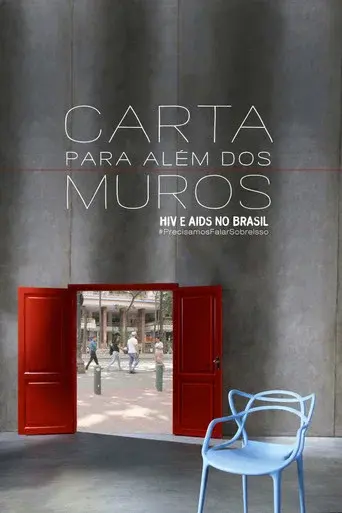
Letter Beyond the Walls reconstructs the trajectory of HIV and AIDS with a focus on Brazil, through interviews with doctors, activists, patients and other actors, in addition to extensive archival material. From the initial panic to awareness campaigns, passing through the stigma imposed on people living with HIV, the documentary shows how society faced this epidemic in its deadliest phase over more than two decades. With this historical approach as its base, the film looks at the way HIV is viewed in today's society, revealing a picture of persistent misinformation and prejudice, which especially affects Brazil’s most historically vulnerable populations.