Losing the Light
Overview
Losing the Light reflects the artist's bitter battle to stay in this world as a long-term survivor of AIDS who has lost his vision to CMV retinitis. An experimental self-portrait, the video evokes the dissolution and fragmentation of the artists body, representing the impact of blindness, long-term HIV infection, and the cumulative effects of decades of antiretroviral medication.
Top Cast

Kurt Weston
Himself
Key Film Crew
Production Stats
You May Also Like
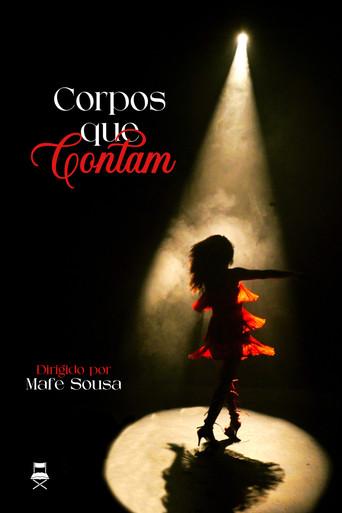
Samba, Popping, and Jazz. Through these dance styles and documentary interviews, Bodies That Tell Stories seeks to discuss the standardization and whitening of dances that had their roots in Black people.
Corpos que Contam
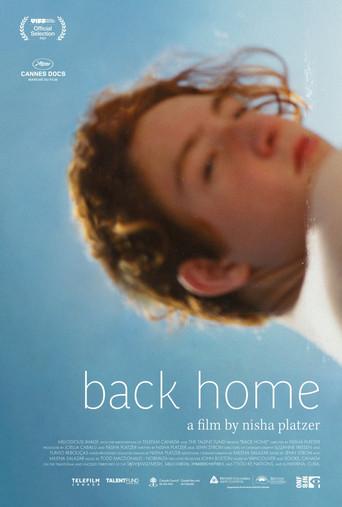
In 1999, 11-year-old Nisha Platzer lost her older brother, Josh, to suicide. Twenty years later, her search for a specialized medical treatment leads her to the door of someone who was once exceptionally close to Josh. And so it is that she finally has the chance to truly know her brother through his chosen family. Captured over five years in which synchronicities continually manifested, Platzer’s documentation of these encounters gently asserts that both grieving and healing are meant to be communal experiences.
back home
Memory is a collaboration with musician Noah Lennox (Panda Bear), exploring the relationship between a musician and filmmaker and their personal reflection on memories. From Super 8 home movies and entirely handmade, this film explores familiar memories, the present moment combined with past experiences and how it all seems to evade from our present memory.
Memory
In one of those wonderful coincidences of history, lumière, the French word for “light,” was also the last name of brothers Auguste and Louis, whose brilliant invention, the cinematograph, helped to inaugurate the most beloved art form of the last 130 years. Institute Lumière director Thierry Frémaux uses Lumière, Le Cinema! to guide the viewer through over a hundred shorts—some famous, some forgotten, some never before seen—directed by Lumière and company. In the process, Frémaux illuminates how the brothers employed the camera as a creative instrument as they (and their operators) mastered framing, staging, and subject selection for quotidian and exotic microdocumentaries as well as the first ever fictional motion pictures. The result is not only a glorious re(telling) of the genesis of cinema but a profound meditation on the beautiful world captured—and the mysterious world imagined—by the Lumières.
Lumière, Le Cinéma!
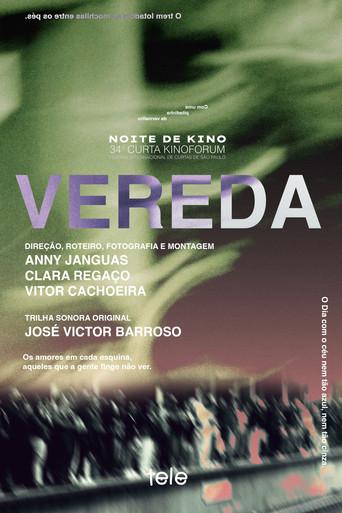
The day with the sky neither too blue nor too grey. With a hint of red. The train crowded and the backpacks between the feet. The loves on every corner, the ones we pretend not to see.
VEREDA
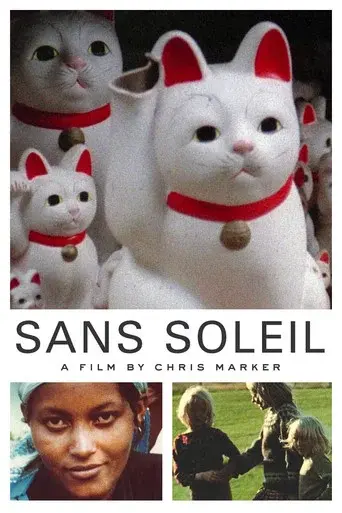
A woman narrates the thoughts of a world traveler, meditations on time and memory expressed in words and images from places as far-flung as Japan, Guinea-Bissau, Iceland, and San Francisco.
Sans Soleil

Sistine Chapel is an audio-visual collage of new footage and samples from Paik’s past videos, which featured many of his friends, collaborators, and public figures. It was Paik’s own way of summarizing his artistic career with video. The film installation consists of fast-paced and overlapping images that completely cover the gallery walls and ceiling—one of the most under-appreciated parts of architecture, according to Paik. With its electronic visuals and booming audio, interspersed with periods of silence, the immersive installation stands in stark contrast to the experience of its namesake.
Sistine Chapel


Through a series of interviews with leading British AIDS activists and cultural theorists, this documentary investigates the way in which AIDS has been used by the media and by the government to increase state harassment of gay men and lesbians, black people and women. Framing the problem in terms of a left politic, the tape reveals how both homophobia and puritanism have been responsible for the slow government response to AIDS.
Reframing AIDS
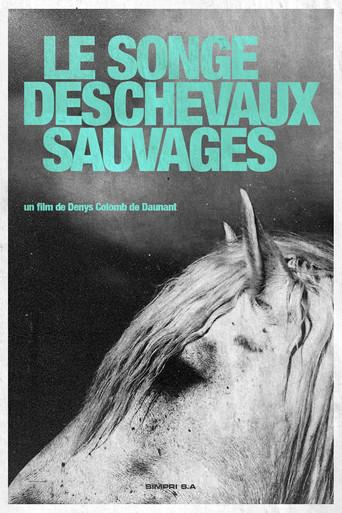
The horses in Denys Colomb Daunant’s dream poem are the white beasts of the marshlands of the Camargue in South West France. Daunant was haunted by these creatures. His obsession was first visualized when he wrote the autobiographical script for Albert Lamorisse’s award-winning 1953 film White Mane. In this short the beauty of the horses is captured with a variety of film techniques and by Jacques Lasry’s beautiful electronic score.
Dream of the Wild Horses

Using diary excerpts, photographs and memories from companions, the film paints the portrait of the artist Jürgen Baldiga who sensitively and authentically captured the West Berlin queer scene of the 1980s and early 1990s with his camera.
Baldiga: Unlocked Heart
A pleasant tasting summer film made in New York and Searsmont, Maine. With poems by Daniel Shapiro (age five), performances by Dana Reitz, Yoshiko Chuma and Wang Pint; music by Duke Ellington and Gamelon of Bali.