
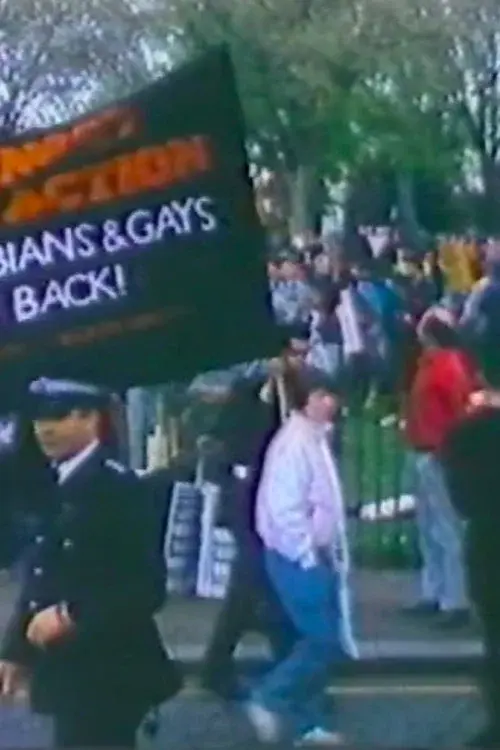
Reframing AIDS
Overview
Through a series of interviews with leading British AIDS activists and cultural theorists, this documentary investigates the way in which AIDS has been used by the media and by the government to increase state harassment of gay men and lesbians, black people and women. Framing the problem in terms of a left politic, the tape reveals how both homophobia and puritanism have been responsible for the slow government response to AIDS.
Top Cast

Simon Watney
Himself

Isaac Julien
Himself
Stuart Marshall
Himself
Sue O’Sullivan
Herself
Key Film Crew
Production Stats
You May Also Like


Using diary excerpts, photographs and memories from companions, the film paints the portrait of the artist Jürgen Baldiga who sensitively and authentically captured the West Berlin queer scene of the 1980s and early 1990s with his camera.
Baldiga: Unlocked Heart
This follow-up to the 1989 documentary ONE YEAR IN A LIFE OF CRIME revisits three of the original subjects in New Jersey during a five-year period in the 1990s. We share in their triumphs and setbacks as they navigate lives of poverty, drug abuse, AIDS, and petty crime.
Life of Crime 2

This powerful documentary explores the intersection of two crises — war and the HIV epidemic. The film follows HIV-positive Ukrainian activist Yana Panfilova as she joins “Through Positive Eyes,” a global photo-storytelling project. The film looks to the resilience of a new generation, navigating survival and community through art and activism.
Eyes on Ukraine
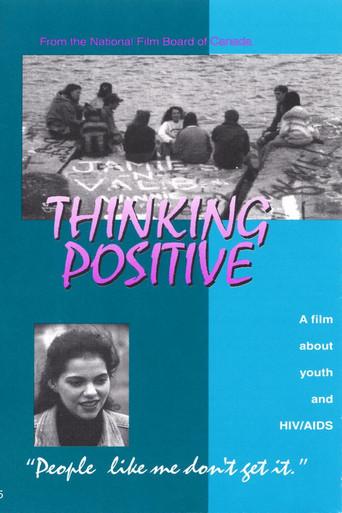
Another sensitive, thoughtful, and elegantly crafted film from home-grown McGee that speaks calmly to us of an alarming truth. Even in outports and relatively small Newfoundland communities, young people are vulnerable to becoming infected with HIV. The story centres on Trudy Parsons who was 20 when she contracted the virus, a young woman with the determination to show others that people like us do get it. The direct and candid way in which trudy and her friends discuss current social and personal views of sexuality makes for another stirring experience that inspires as much as it moves.
Thinking Positive
An experimental documentary engaging with decades of DIY activist media, two death bed/legacy videos, and the wisdom of many living AIDS workers, as we all sit together in one (changing) format, video—VHS, hi-8, digital, Zoom—to address these and other questions: How do neighborhoods, sweaters and scarves, videotapes and queer bars hold ghosts? How do we let them go?
Please Hold

It explores the last two years of Brazilian singer Cazuza's life, from his AIDS diagnosis until his death. Nilo Romero, Cazuza's music producer and the film's director, created a collection of rarely seen and controversial images.
Cazuza: Good News

One of the most powerful video documentaries of our time boldly reveals the modern medical-industrial complex’s dire descent into utter corruption. HIV/AID$ - A deadly and dangerous DECEPTION! This feature-length expose explains exactly how the 300-Billion-dollar AID$ fraud began, why HIV can NOT be the cause of AIDS, what the real causes could be, and who manipulates the public’s good intentions while poisoning hundreds of thousands with toxic drugs that cause the very disease they are supposed to prevent.
HIV=AIDS: Fact or Fraud?


The film presents the experiences of women who contracted the AIDS virus from their husbands or steady partners, and highlights the main factors responsible for the feminisation of the disease in Brazil.
Positivas
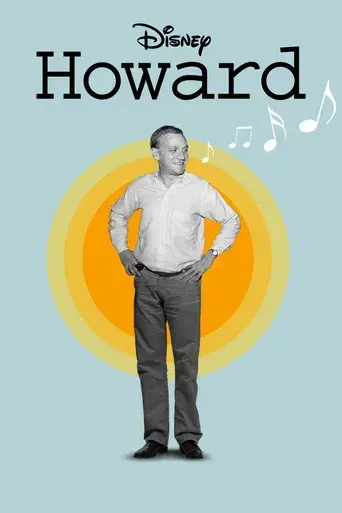
Though legendary lyricist Howard Ashman died far too young, his impact on Broadway, movies, and the culture at large were incalculable. Told entirely through rare archival footage and interviews with Ashman’s family, friends, associates, and longtime partner Bill Lauch, Howard is an intimate tribute to a once-in-a-generation talent and a rousing celebration of musical storytelling itself.
Howard
A short film mostly comprised of two sources: research footage from 1988 about the beginnings of the HIV epidemic from the perspective of medical professionals, and an interview with Cleve Jones in 2003 as he looks back upon his activism, and the state of the HIV/AIDS epidemic in the early 2000s.