The Hawaiian Islands: The Chief Industries
Overview
The Hawaiian Islands, located 2,000 miles from the U.S. West Coast, primarily rely on agriculture for their economy, as they lack significant minerals and manufacturing. Sugar cane and pineapple are the two main crops. Sugar cane, first cultivated in Hawaii over a century ago, is harvested after 1.5 to 2 years of growth, with fires used to clear leaves before gathering. Pineapples are planted using a paper mulch technique, and the ripe fruit is quickly processed for canning. Shipping plays a crucial role in transporting these products to the mainland U.S. and bringing necessary goods to Hawaii, making it vital for the islands' prosperity.
Key Film Crew
Production Stats
You May Also Like

Since South and North Korea's liberation in 1945, North Korea, a communist dictatorship that suppresses freedom and oppresses human rights, and South Korea, which has entered the path of economic prosperity and advanced countries based on freedom and democracy, have taken different paths. How did the two countries with the same language, history, and race, become divided into two extreme countries? A work that highlights the sacrifices and struggles of President Syngman Rhee and the first generation of founding members who worked to create and protect today's Republic of Korea over the past 70 years of history.
The Birth of Korea



Out of State is the unlikely story of native Hawaiians men discovering their native culture as prisoners in the desert of Arizona, 3,000 miles, and across the ocean, from their island home.
Out of State


Surfing at Waikiki Beach, Hawaii, on the island of Oahu. Most surfers are human, one is a dog. The educational documentary is part of the Bruce Scenic Novelties series.
Sons of the Surf
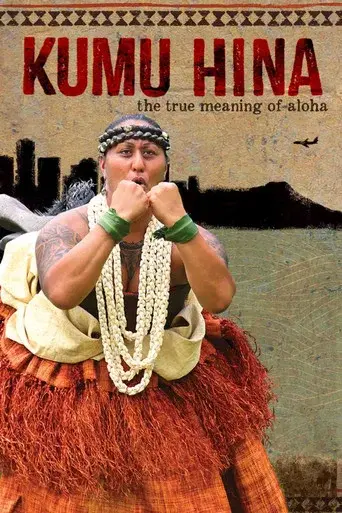
A powerful film about the struggle to maintain Pacific Islander culture and values within the Westernized society of modern day Hawaiʻi. It is told through the lens of an extraordinary Native Hawaiian who is both a proud and confident māhū, or transgender woman, and an honored and respected kumu, or teacher, cultural practitioner, and community leader.
Kumu Hina

In the years following the Civil Rights movement and the passage of Title IX in 1972, Dr. Donnis Thompson (a headstrong African-American female coach), Patsy Mink (the first Asian-American U.S. congresswoman), and Beth McLachlin (the team captain of a rag-tag female volleyball team), battled discrimination from the halls of Washington D.C. to the dusty volleyball courts of the University of Hawaii, fighting for the rights of young women to play sports.
Rise of the Wahine


A homeless man with schizophrenia slowly embraces antipsychotic medication under Hawaii's only willing psychiatrist and a court mandate, while a man in recovery offers rare insight into mental illness as he fights to reclaim stability.
An Island of the Mind

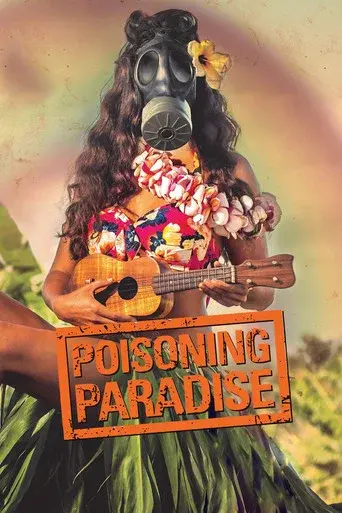
Journey to the seemingly idyllic world of Native Hawaiians, whose communities are surrounded by experimental test sites for genetically engineered seed corn and pesticides sprayed upwind of their homes, schools, hospitals, and shorelines.
Poisoning Paradise
Documentary about two boys and a girl who travel to surfing spots around the world.
Follow Me


Witness the unique marine life at the depths of the Pacific Ocean, and journey to shores of the archipelago in this one-hour documentary, which reveals a new facet of this tropical location.
Wild Hawaii
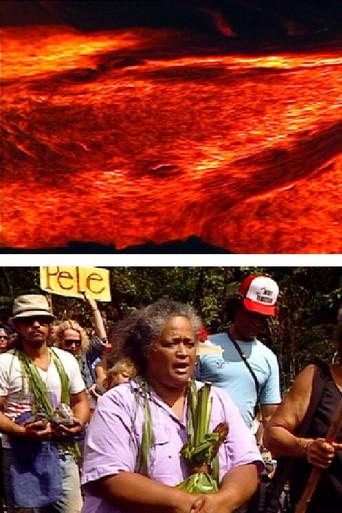
In the swirling volcanic steam and misty rain forest of Kilauea volcano’s east rift zone on the island of Hawai’i, two forces meet head on. Geothermal development interests, seeking to clear the rain forest for drilling operations, are opposed by native Hawaiians seeking to stop the desecration of the fire goddess, Pele. Pele is a living deity fundamental to Hawaiian spiritual belief. She is the eruption, with its heat, lava and steam. Her family takes the form of forest plants, animals and other natural forces. But geothermal development interests see Pele as simply a source of electricity. When Hawaiians take the issue to court, they find that nature-based religions are not respected by U.S. law.