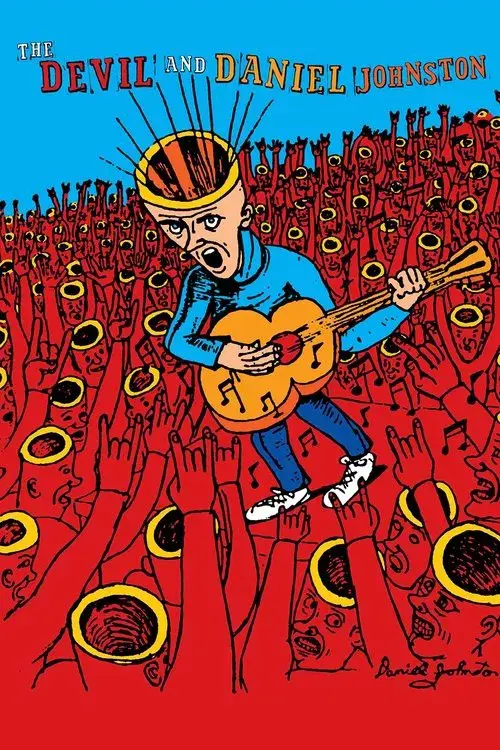
The Devil and Daniel Johnston
Overview
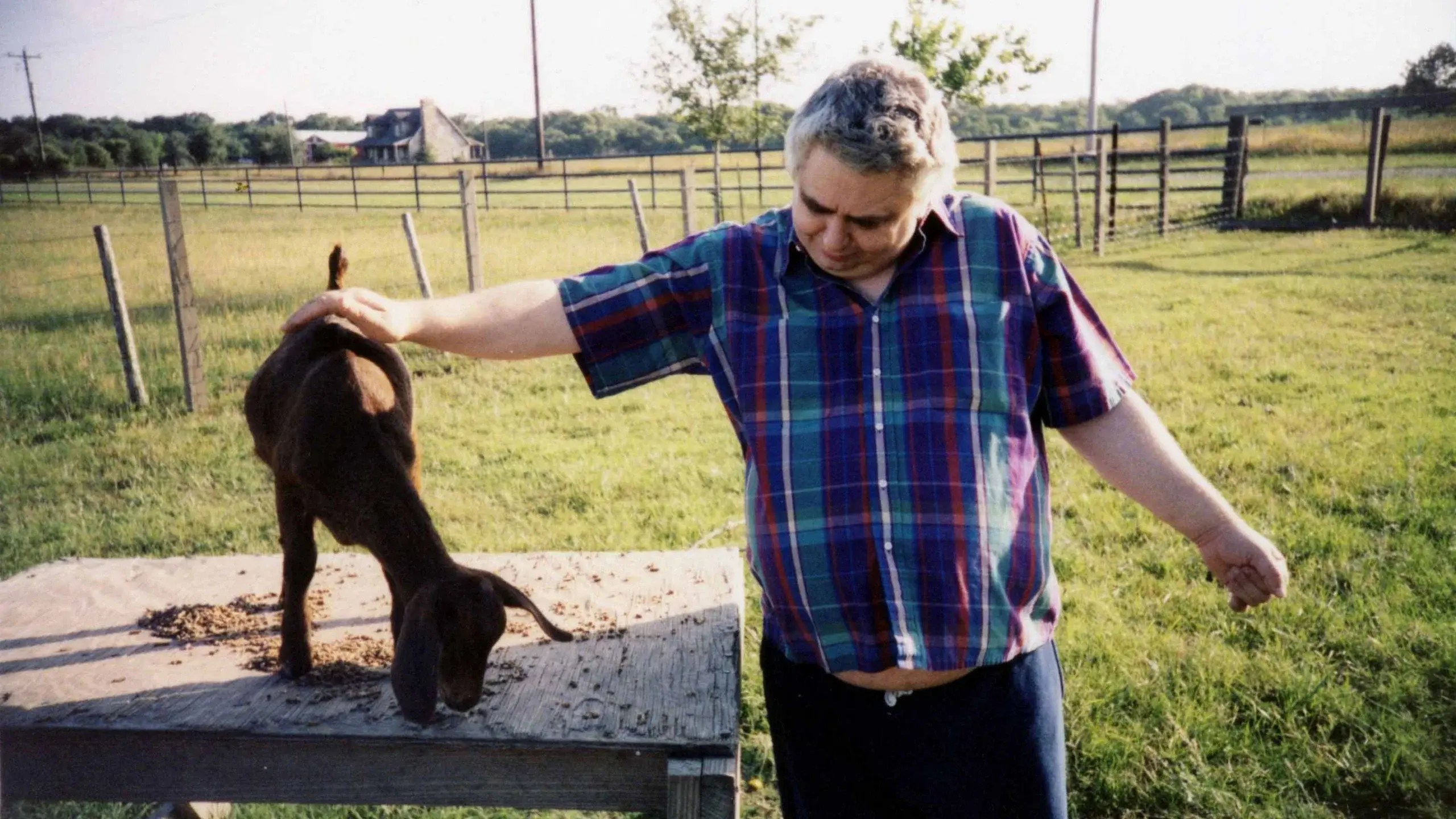
This 2005 documentary film chronicles the life of Daniel Johnston, a manic-depressive genius singer/songwriter/artist, from childhood up to the present, with an emphasis on his mental illness and how it manifested itself in demonic self-obsession.
Top Cast

Daniel Johnston
Self

Bill Johnston
Self
Margie Johnston
Self
Mabel Johnston
Self
Jeff Tartakov
Self
Kathy McCarty
Self
Dick Johnston
Self
Laurie Allen
Self
Sally Johnston Reid
Self
Gibby Haynes
Self
Brian Beattie
Self
David Fair
Self
Key Film Crew
Production Stats
You May Also Like
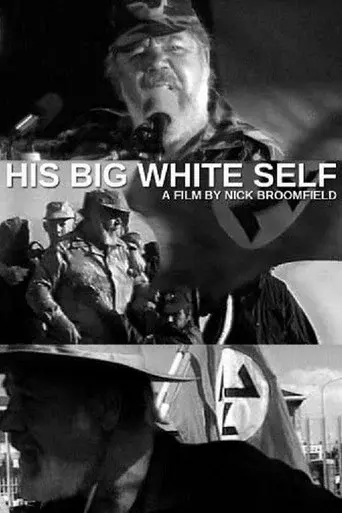
A follow-up to "The Leader, His Driver, and the Driver's Wife", about the history of the far-right group AWB and its leader Eugene Terre'Blanche.
His Big White Self
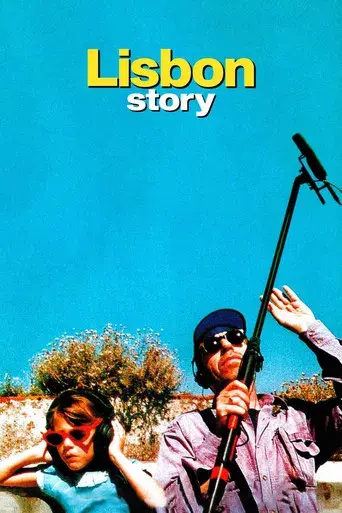
Wim Wenders' homage to Lisbon and films. A sound engineer obtains a mysterious postcard from a friend who at the moment is filming a film in Lisbon. He sets out across Europe to find him and help him.
Lisbon Story
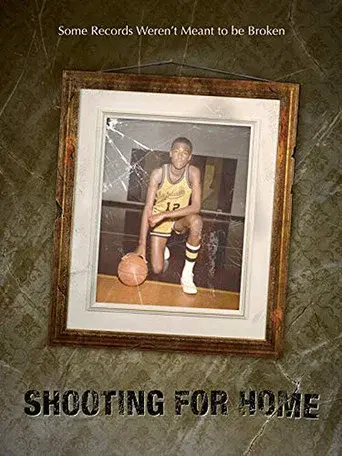
Banished from his racially-charged Florida town, African American basketball star Kevin Bradshaw was homeless before getting called to play professionally in Israel. There, he fell in love with a woman-and a country-and would discover the strength to see his family for the first time in twenty years.
Shooting for Home

An intimate look at the Woodstock Music & Art Festival held in Bethel, NY in 1969, from preparation through cleanup, with historic access to insiders, blistering concert footage, and portraits of the concertgoers; negative and positive aspects are shown, from drug use by performers to naked fans sliding in the mud, from the collapse of the fences by the unexpected hordes to the surreal arrival of National Guard helicopters with food and medical assistance for the impromptu city of 500,000.
Woodstock

In 2017, 20 years after Hype! (1996), filmmaker Doug Pray made a new short documentary featuring updated conversations with some of the personalities and bands who participated in the original documentary about the Seattle music scene and the Grunge movement.
Hype! 20 Years After
For those who electrical sensitivity, there aren’t many places to seek refuge. In a remote part of West Virginia, the so-called National Radio Quiet Zone offers one such escape.
The Quiet Zone
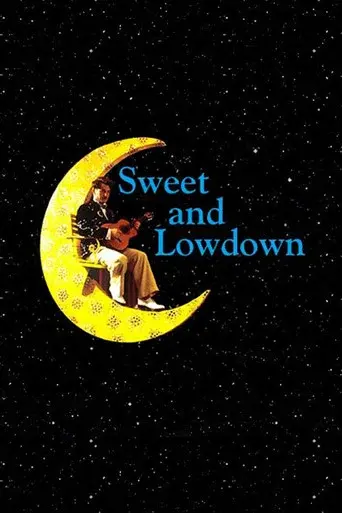
In the 1930s, jazz guitarist Emmet Ray idolizes Django Reinhardt, faces gangsters and falls in love with a mute woman.
Sweet and Lowdown

ḤARAM is an essay film portraying the urgent contemporary situation at the Haram Al Sharif/ Noble Sanctuary in the Old City of Jerusalem reflecting on the growing Temple Mount Faithful movement whose goal is to build the Jewish Third Temple on this holy landscape and in turn to assert Jewish sovereignty over this holy Muslim site.
ḤARĀM
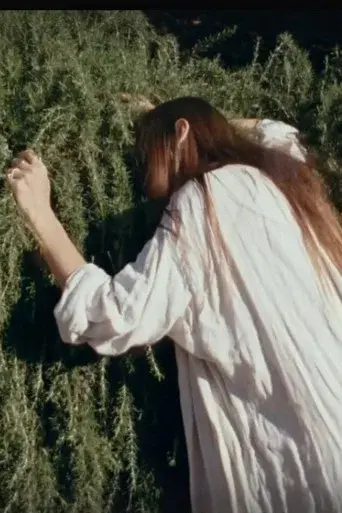
VIVA ÁGUA is a meditation on the philosophical work entitled ÁGUA VIVA written by Clarice Lispector in 1973. The film reflects on Lispector’s interior experimental monologue on the “instant-now” of time, the discomforts of language which are “beyond thought” and the harmonious dissonant reminders and remainders of that “sometime what is seen is ineffable.”
VIVA ÁGUA

Anna, Pina, Teresa reinterprets the pivotal scene in Rossellini’s “Roma Città Aperta” where Anna Magnani, who plays the character Pina, (based on the story of Teresa Gullace,) is murdered on the streets of Rome by the Fascist police. This scene is characterized by three movements performed by Magnani — resistance, running and falling. Filmed in the Sala Scherma at Foro Italico in Rome (Mussolini’s fencing studio designed by Moretti) Anna, Pina, Teresa examines the contemporary and historical dynamics between an urban Fascist space and movements of resistance.
Anna Pina Teresa

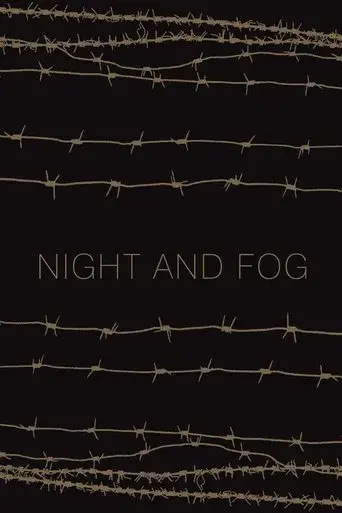
Filmmaker Alain Resnais documents the atrocities behind the walls of Hitler's concentration camps.
Night and Fog

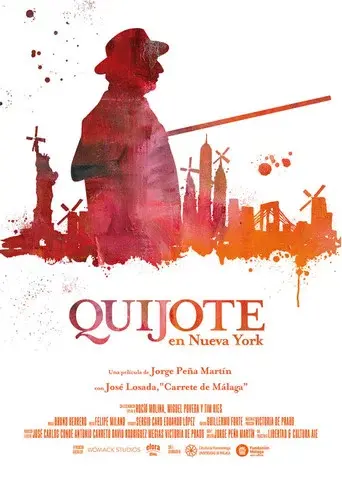
At the age of eighty-two, Carrete wants to fulfil a dream before the end of his career as a dancer: to perform in a great theatre in New York. Despite his tireless enthusiasm, his health tells him that his days as a flamenco master are coming to an end. His art saved him from starvation and the cinemas sheltered him from the cold during the Spanish post-war period. And it was on the big screen that he met his admired Fred Astaire, who settled in his imagination as a fantasy to aspire to. And as he awaits his long-awaited American adventure, Carrete looks back on his past. Joaquín, one of his sons, who was a talented guitarist and whose hopes were dashed by prison, wants to play again. Father and son try to find each other again, while the mirage of the giant skyscrapers fades away, revealing the reality.