

Credere a tutto
Overview
Designing artificial relationships between found or stolen elements is a technique that seeks to discuss found footage. Credere a tutto tells about houses and living beings and has developed by intertwining ancient photos, a text, a film sequence and original video footage. Materials that take on time, space and new meanings within the expanded vision of the so-called “spectators”. A techno music session while séances and panoramic views of derelict houses question us about what we see and what we cannot see.
Key Film Crew
Production Stats
You May Also Like
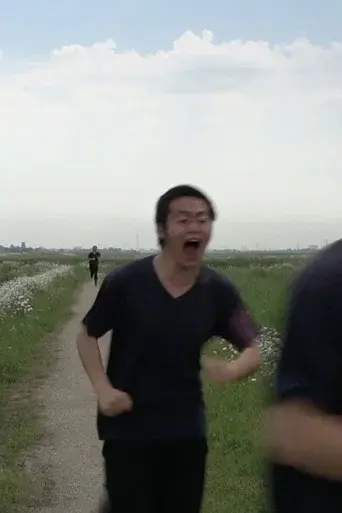
A peaceful path with grass along the sides is disturbed by a man that is running and screaming.
Screaming

A writer tries to force his character into suicide, but the character fights back.
Parallel Novel
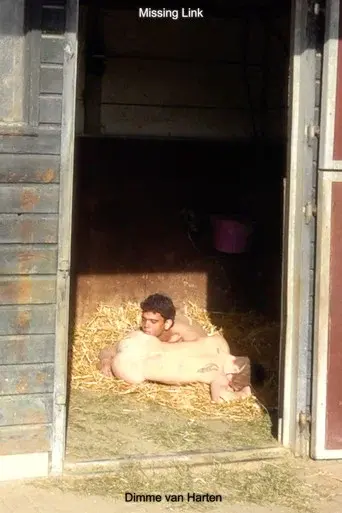
"Encouraged by a special encounter between myself and an animal, my research into the “humanimal” began. This is a performative exploration reflecting on the place of animals and humans in their changing relationships throughout time. The research spans from topics like the cohabitation of different human species, the prehuman, the posthuman, to domestication and the numerous animal watching webcams found in zoos and online. Missing Link reflects on the intimacy between the species and how it can be expressed through movement here and now. "
Missing Link
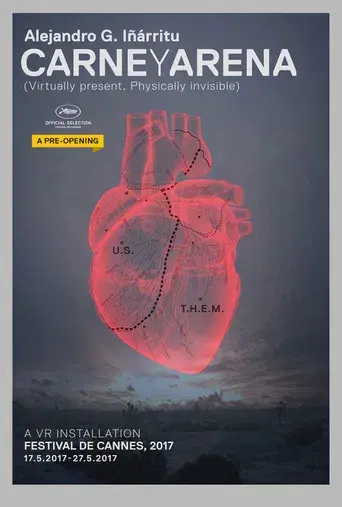
Based on true accounts, the superficial lines between subject and bystander are blurred and bound together, allowing individuals to walk in a vast space and thoroughly live a fragment of the refugees' personal journeys.
Flesh and Sand
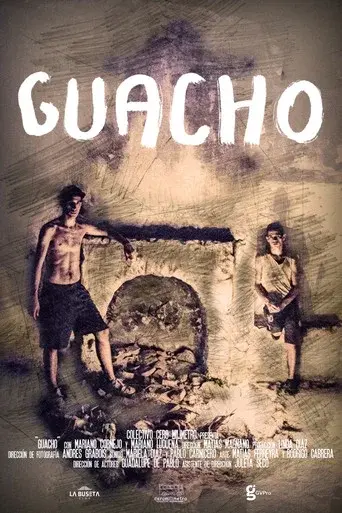
'Guacho' narrates a summer day in the life of two teenage friends, Maikol and Darío, who want to escape their everyday crushing reality, at least for a day. They spend up to the last penny to get to the mountains where, taking refuge in tranquility and mutual love, they manage to get a grasp of happiness. But freedom does not seem to be so available to them.
Guacho
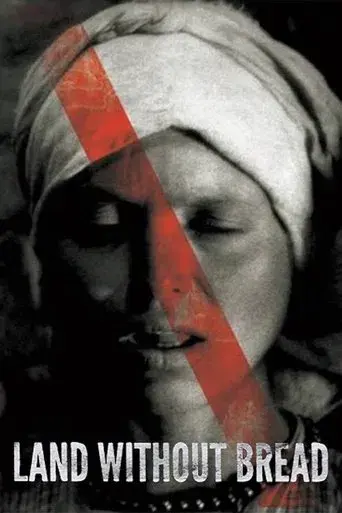
An exploration —manipulated and staged— of life in Las Hurdes, in the province of Cáceres, in Extremadura, Spain, as it was in 1932. Insalubrity, misery and lack of opportunities provoke the emigration of young people and the solitude of those who remain in the desolation of one of the poorest and least developed Spanish regions at that time.
Land Without Bread

A young woman is late for an important job interview when she notices a woman falling ill just as the train drives into the station.
Heartsaver
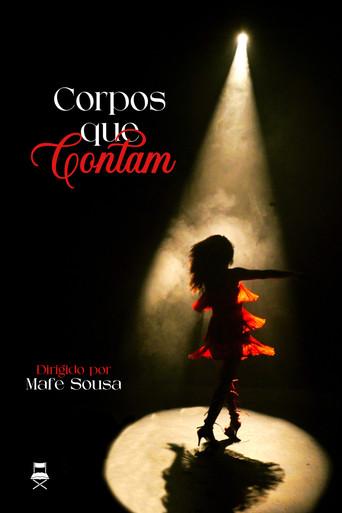
Samba, Popping, and Jazz. Through these dance styles and documentary interviews, Bodies That Tell Stories seeks to discuss the standardization and whitening of dances that had their roots in Black people.
Corpos que Contam
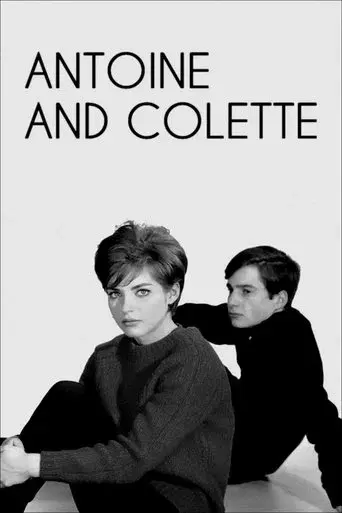
Now aged 17, Antoine Doinel works in a factory which makes records. At a music concert, he meets a girl his own age, Colette, and falls in love with her. Later, Antoine goes to extraordinary lengths to please his new girlfriend and her parents, but Colette still only regards him as a casual friend. First segment of “Love at Twenty” (1962).
Antoine and Colette

One night, a second chance at his dream becomes a nightmare when a Kuwaiti man is haunted by his younger self and hunted by his self-doubt.
