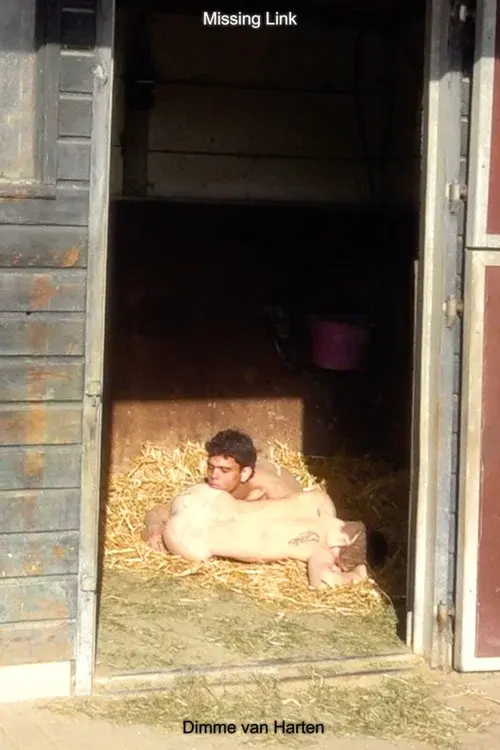
Missing Link
Overview
"Encouraged by a special encounter between myself and an animal, my research into the “humanimal” began. This is a performative exploration reflecting on the place of animals and humans in their changing relationships throughout time. The research spans from topics like the cohabitation of different human species, the prehuman, the posthuman, to domestication and the numerous animal watching webcams found in zoos and online. Missing Link reflects on the intimacy between the species and how it can be expressed through movement here and now. "
Top Cast

Dimme van Harten
Main Performer
Luan Barros
Second Performer
Lulu Stoffels
Third Performer
Key Film Crew
Production Stats
You May Also Like

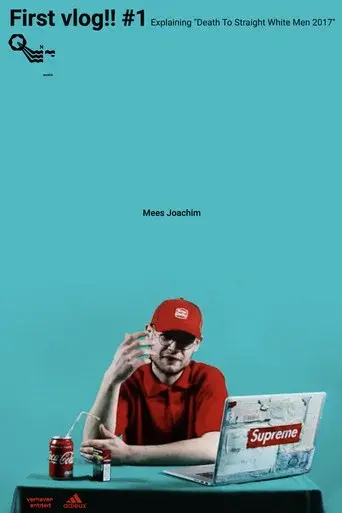
A short mock-vlog film explaining and defending the concepts behind the fictional 'Death To Straight White Men 2017' clothing brand. Edited in a way that mocked the trends of Youtube vlogging and apology-videos of the time, including sound effects and interjected fast-moving graphics. "After QnWF-société received an overwhelming amount of negative feedback following the launch of their 'Death To Straight White Men 2017' clothing brand, their CEO felt the need to create an apology video of sorts - explaining and defending the concepts behind their latest line of clothing."
First vlog!! #1
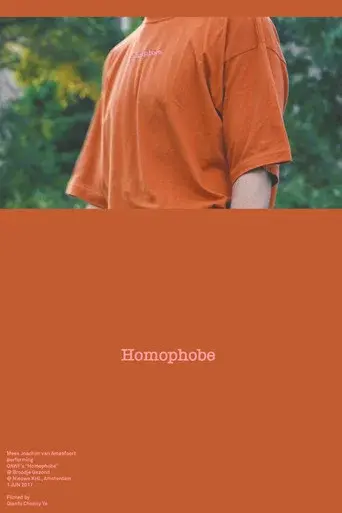
Performance documentation of Mees Joachim's 'Homophobe', a 10 minute live-reenactment of a scene from 'E Kolór Korrá' (2017). A juxtaposition performed as minimally as possible. A destructively interpretive dance, literally shattering bones whilst forcefully dropping on the ground. A pre-cursor to their 'The Scaphoid Fracture' (2017) performance.
Homophobe
What begins as a spatially abstract, weightless situation transforms into a mediation of geography, culture, and history. Filmed transcontinentally between Singapore and The Netherlands, Control emphasizes the idiosyncratic texture of a common, fragmented consciousness.
Control
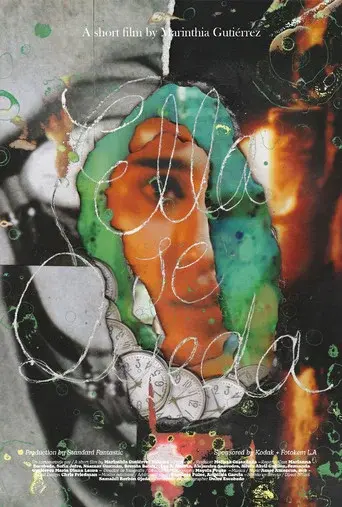
Throughout a night out in downtown Tijuana, Laura waits for her destiny to arrive.
She Stays
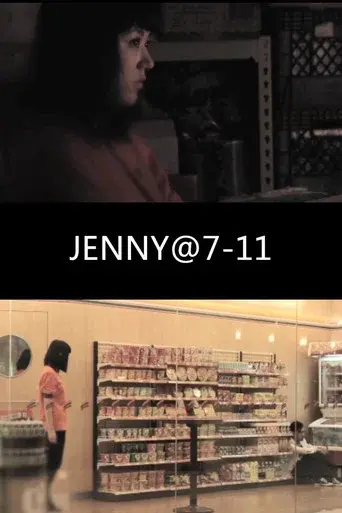
In a convenience store, the door of the storage room is a two-way mirror, reflecting a romantic story of love at first sight.
JENNY@7-11
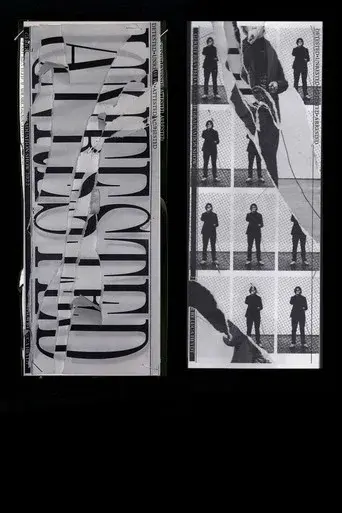
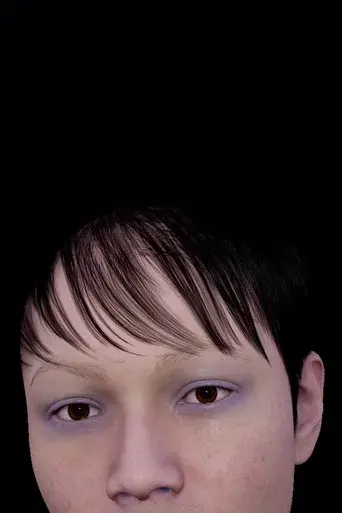
The Concrete Road is a three-channel installation work which was premiered during the Graduation Show 2021 at Gerrit Rietveld Academie. "Landscape shifts, unmodernised desires. This is a story comprising three avatars of myself talking to and interviewing each other, reflecting on memories and weaving a path on coming of age. Sticky childhood memory which never fades. Loosely fitted gender/racial identity struts in juvenile cravings. Self-loathing, negation of the past, and his frowning parents. The tyranny of modernism leaves a leaky path for the protagonist to escape and slobber in a dream of wet summer night. My highest appreciation towards Bertien van Manen, who not only provides images on memory bubbles, but also her images help me to develop the initial script for this work."
The Concrete Road
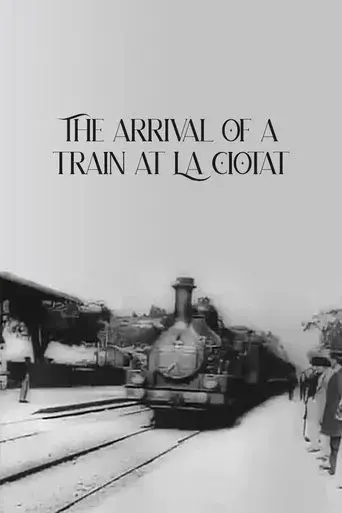
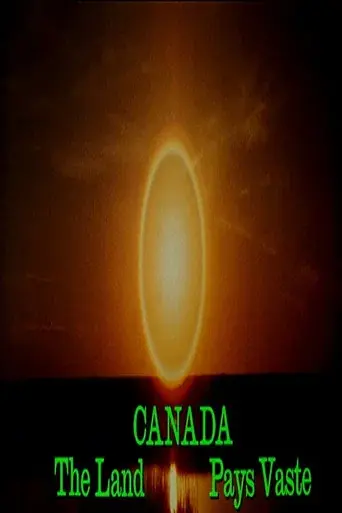
Filmed for the most part from a low-flying aircraft, this documentary short presents a breathtaking view of Canada from coast to coast. Showing the varied terrain, from craggy coast to towering glacier, the film illustrates Canada’s pristine wilderness as well as today's industrial and urban realities. Canada the Land was specially commissioned for the Canada Pavilion at the Osaka World Fair in 1970.
Canada the Land
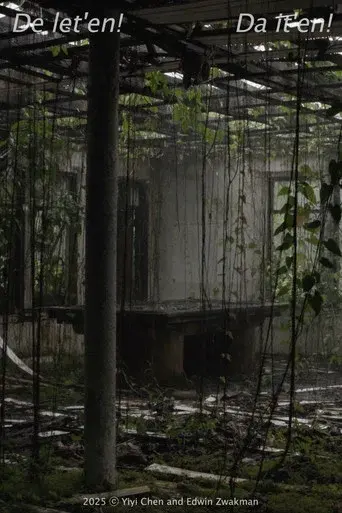
A meditative depiction of a colonial villa in Mungo, Surinam, taken back by nature.
De let'en! - Da it'en!


2-channel film installation 'Die Last meines Namens', wherein Heydt deals with an unpleasant part of his own family history. Heydt’s great-grandfather was a member of the NSDAP and mayor of the small town of Haselünne in Emsland for almost 10 years during the Third Reich. Based on interviews with his grandfather and research in various archives, Heydt develops a personal perspective on the subject. The film deals with how we construct identity from oral retellings, how we process family histories, and how we can find current and personal points of access to German remembrance culture. At the heart of the work are two conversations with his grandfather Heinrich Heydt, recorded at different points in the research process. In them, the grandfather describes his memories of his father, the time, and the two reflect on the subject and the results of the research.