Leisure, Utopic
Overview
The first episode in a series of “adaptations” of poet Bernadette Mayer’s book Utopia that artist Beatrice Gibson envisions to undertake over the next decade, producing a series of small, quotidian films that together, and over time, will constitute an epic. This first film is drawn from Chapter 4, entitled “The Arrangement: of Houses & Buildings, Birth, Death, Money, Schools, Dentists, Birth Control, Work, Air, Remedies, and So on” and was shot at home during the pandemic.
Key Film Crew
Production Stats
You May Also Like



Around the fire, travellers and pirates recount their memories, their dreams, their battles. From one language to another, from story to story, we hear the roar of the storm and the rustle of the leaves, the menacing sirens and the wild dances, the clash of the swords and the song of the birds. Until dawn, a thousand and one paths take shape on this imaginary yet real island.
An Island and One Night

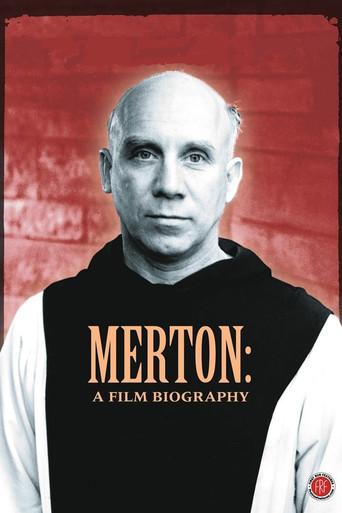
In his lifetime, Thomas Merton was hailed as a prophet and censured for his outspoken social criticism. For nearly 27 years he was a monk of the austere Trappist order, where he became an eloquent spiritual writer and mystic as well as an anti-war advocate and witness to peace. Merton: A Film Biography provides the first comprehensive look at this remarkable 20th century religious philosopher who wrote, in addition to his immensely popular autobiography The Seven Storey Mountain, over 60 books on some of the most pressing social issues of our time, some of which are excerpted here. Merton offers an engaging profile of a man whose presence in the world touched millions of people and whose words and thoughts continue to have a profound impact and relevance today.
Merton: A Film Biography
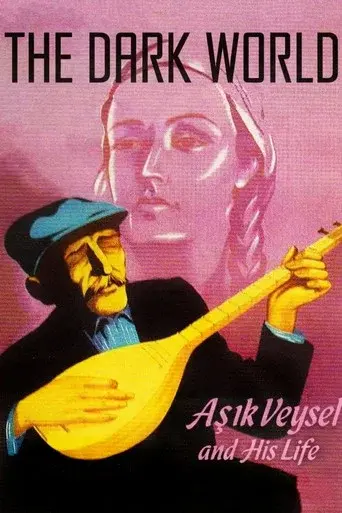
Based on the real life story, the director turned his camera towards the real world of Âşık Veysel, the great poet who wandered around the Anatolian villages.
The Dark World
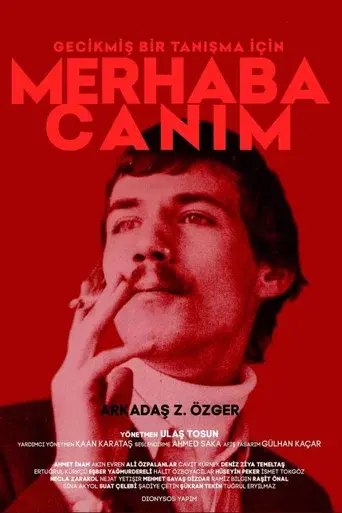
The documentary is titled after Arkadaş Z. Özger’s poem “Hello My Dear” which had caused much controversy in the period it was first published. Considered to be in defiance of heteronormativity, the said poem includes references to the poet’s personality, his family, his relationship to the society, and his “unexpected” death, which came three years after its publication. Today, 50 years after it was written, the documentary follows these same lines in the poem utilising cinematic elements. The documentary also rediscovers the poetics; reaches out to the family, the comrades, the friendships, departing from the official historical accounts, cognizant of his experience of otherness, in pursuit of the “lost” portrait of Arkadaş Z. Özger.
Hello My Dear

A group of artists settle in a swamp on the banks of the Indre River. Meanwhile, a voice describes a utopian world.