An Uncountable Number of Threads
Overview
Travel films have an established format with their own conventions, history and baggage. It is a medium that has all too often sought to control, define and dictate perceptions of ”other” places. Comprised of footage shot while travelling on group excursions across Russia in 2019, An Uncountable Number of Threads is an attempt to draw out the ethical restrictions of a travelogue, while questioning how (and why) to make one. At times there is an awkward tourist-gaze, aware of its outsider position. But as a self-reflexive work that considers its own creation, it ultimately unravels, as the artist rationalises themselves out of a particular way of working, inviting the viewer into their uncertainty.
Key Film Crew
Production Stats
You May Also Like
An Editor recounts the diaries of a failed film production as they attempt to construct a new narrative from the remaining footage.
The Ongoing Conversation
Short documentary consisting of archival footage and movies that depict the birth of the United States of America, from the Boston tea party to the Spanish American war
Ode to liberty
Graduation is approaching, marking the close of a chapter. I took my camera to Green Island, recording video letters day by day. But the camera became unruly, backup batteries went missing, and the trip began to go downhill. Typhoons arrived, and the video letters ceased... Finally, facing the sea beneath the sun, my camera non-responsive, I took a Dramamine, then boated back home.
Film; about Palinopsia
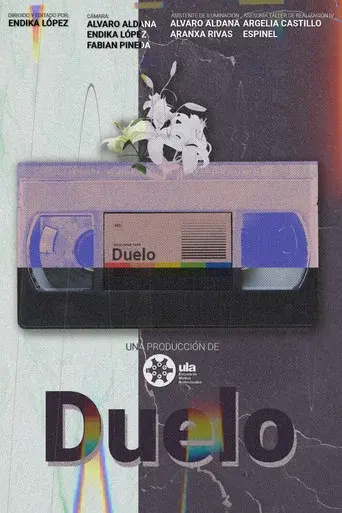
The short film follows Endika, a director who, in the midst of a clash with his reality, transforms a documentary about paternal absence into a personal quest for reconciliation with his own father.
Duelo
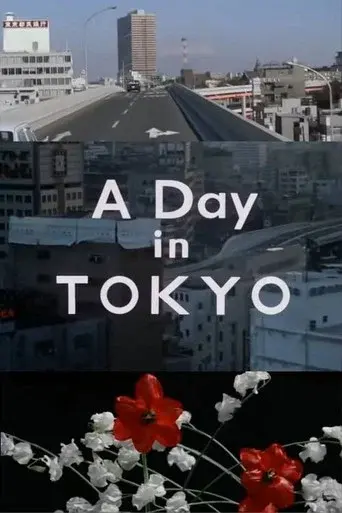
A Day in TOKYO in 1968, Nostalgic bygone era. Planned by Japan National Tourism Organization. Produced by Koga Production. This film was produced to explain Tokyo for foreign tourists.
A Day in Tokyo

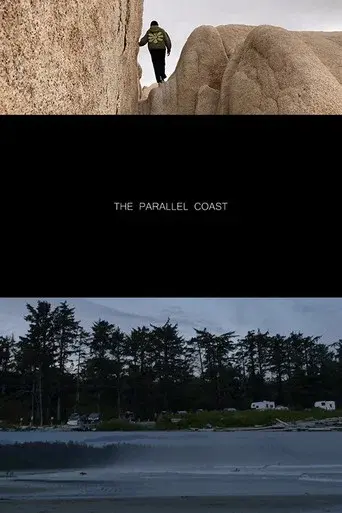
A story of The Map and The Territory. Shot in BC, California, and Nevada. Original music by Tashi Townley, Jack Brintnell, Luc Wiebe, and George Lee.
The Parallel Coast

One day, as you leave work and head home, something unexpected happens. Everywhere you go, paths begin to open and multiply. You can go anywhere you want, and with each place you choose, a new version of yourself emerges. You begin to disappear and in that disappearance you feel free: no longer being one, but becoming another, becoming many others. Individual experience gives way to the collective. A constant search for a place in the world. Walking toward the other, toward the unknown—yesterday, today, and tomorrow.
Antes do Nome
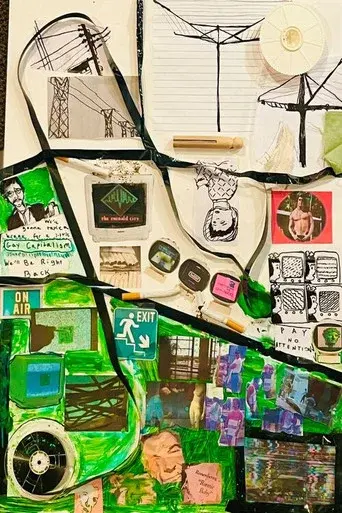
A continuously running two-channel installation, presented on 9" and 13" CRT monitors atop pedestals and overlooked by a green Kit-Cat clock. The smaller CRT bears a painted green square and is framed by a pair of crossed silver opera gloves, at whose intersection rests a vintage push-puppet of two boxers sharing a single red stand. Together, the two monitors display distinct video collages interweaving footage from Emerald Square Mall and the strike during its 1989 construction with remixed interferences from Channel J's Emerald City TV (1976–1979), Huge Video's Heat in the Night (1989), Genet's Un Chant d'Amour (1950), various cigarette commercials, The Wizard of Oz (1939), and a performance of a mylar-clad entity wrapping one of the televisions in videotape. The work has most frequently circulated publicly through its primary video channel.
Emerald ▣

Creating a Monster is about reality television and sub-textually confronts a bigger ethical question about the psychological impact on the contestants; is the fault placed on reality television producers or the audience who consume it?
Creating a Monster
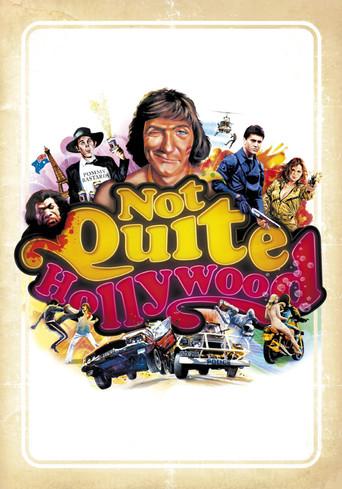
As Australian cinema broke through to international audiences in the 1970s through respected art house films like Peter Weir's "Picnic At Hanging Rock," a new underground of low-budget exploitation filmmakers were turning out considerably less highbrow fare. Documentary filmmaker Mark Hartley explores this unbridled era of sex and violence, complete with clips from some of the scene's most outrageous flicks and interviews with the renegade filmmakers themselves.
Not Quite Hollywood
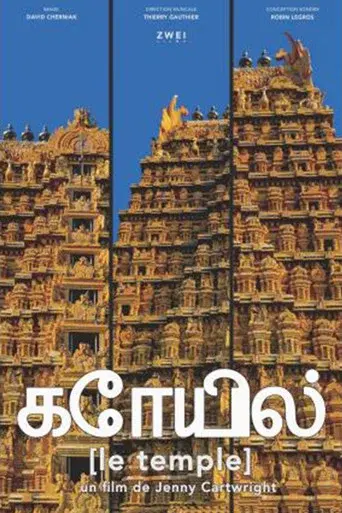
Part ethnographic film and part experimental film, கோயில் (The Temple) is a hybrid piece of cinematography that questions the act of observing.