

« Je ne suis pas chinetoque » : Histoire du racisme anti-asiatique
Overview
Journalist Émilie Tran Nguyen invites the viewer to follow her in her quest and discover, at the same time as her, the historical origins of this anti-Asian racism. Told in the first person, alternating archive images, interviews with historians, sociologists and field sequences, this film traces the making of prejudices in the French imagination and pop culture, to twist the neck of stereotypes, deconstruct and act.
Top Cast

Émilie Tran Nguyen
Herself : Interviewer / journalist / Voiceover

Gurvan Kristanadjaja
Himself : Journalist of newspaper Libération

Julie Hamaïde
Herself : Founder of Koï (media)

Isabelle Le
Herself : Communications Director

Cathy Nguyen
Herself : Midwife

Frédéric Chau
Himself : Author / Actor / Comedian / Humorist / Director

Pascal Blanchard
Himself : Historian

Grace Ly
Herself : Journalist / Writer

Daniel Tran
Himself : Honorary President of the AJCF (Association des Jeunes Chinois de France)

Kitty Space
Herself : 1st Asian Drag Queen / Woman transgender = Woman ♀️ : Kiara 🏳️⚧️ (deceased first name : Antoine)

Nhat-Nam Nguyen
Himself : Professor

Sun Lay Tan
Himself : Spokesperson for the "Sécurité pour tous" Committee
Key Film Crew
Production Stats
You May Also Like

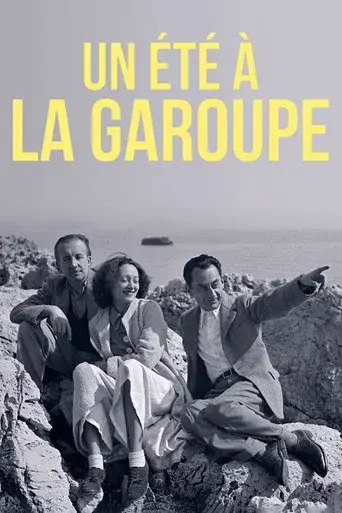
La Garoupe, a beach in Antibes, in 1937. For one summer, the painter and photographer Man Ray films his friends Pablo Picasso, Dora Maar, Paul Eluard and his wife Nusch, as well as Lee Miller. During these few weeks, love, friendship, poetry, photography and painting are still mixed in the carefree and the creativity specific to the artistic movements of the interwar period.
Un été à la Garoupe
Home movie collection of the Bohulano Family of Stockton, CA. Footage dates between the 1950s-1970s.
The Bohulano Family

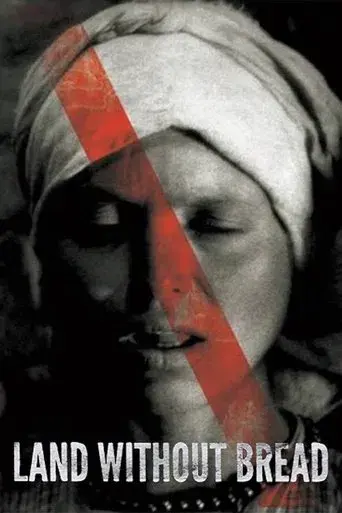
An exploration —manipulated and staged— of life in Las Hurdes, in the province of Cáceres, in Extremadura, Spain, as it was in 1932. Insalubrity, misery and lack of opportunities provoke the emigration of young people and the solitude of those who remain in the desolation of one of the poorest and least developed Spanish regions at that time.
Land Without Bread


Filmmaker Malini Schueller examines police brutality against minorities and the dangers of overmilitarized campuses.
In His Own Home

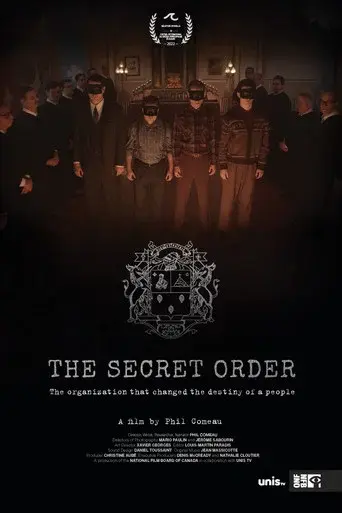
Phil Comeau shines a spotlight on the Ordre de Jacques-Cartier, a powerful secret society that operated from 1926 to 1965, infiltrating every sector of Canadian society and forging the fate of French-language communities. Through never-before-heard testimony from former members of the Order, along with historically accurate dramatic reconstructions, this film paints a gripping portrait of the social and political struggles of Canadian francophone-minority communities.
The Secret Order

Prodigal Korea is a documentary that highlights the cultural divide between the first and second-generation Korean-Americans, particularly in the context of the church. The film showcases the struggles of the second-generation Koreans as they attempt to navigate the cultural expectations of their parents and their own identity crisis as Americans. The documentary features interviews with second-generation Korean-Americans who share their stories of growing up in a culturally traditional Korean family in America. They speak about their struggles to balance the expectations of their parents, who often hold onto traditional Korean values, and their own desire to assimilate and become more American.
Prodigal Korea
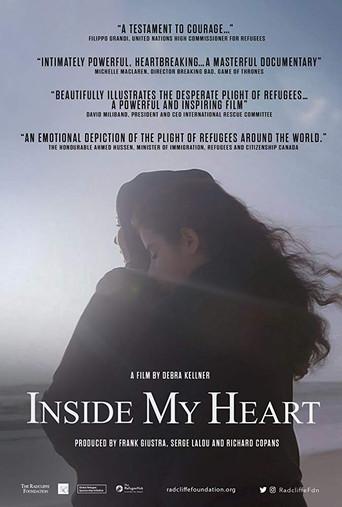
A documentary film by Canadian Director Debra Kellner, produced by Frank Giustra, Serge Lalou, and Richard Copans. Inside My Heart chronicles the plight of three refugee families fleeing their war torn countries over a period of nearly 3 years. Despite having lost everything and their harrowing stories about the atrocities of war, each family continues their fight to stay alive. Unable to return to their countries without the risk of being killed, today they are forced to live with the consequences of their broken dreams.