
What Will I Be?
Overview
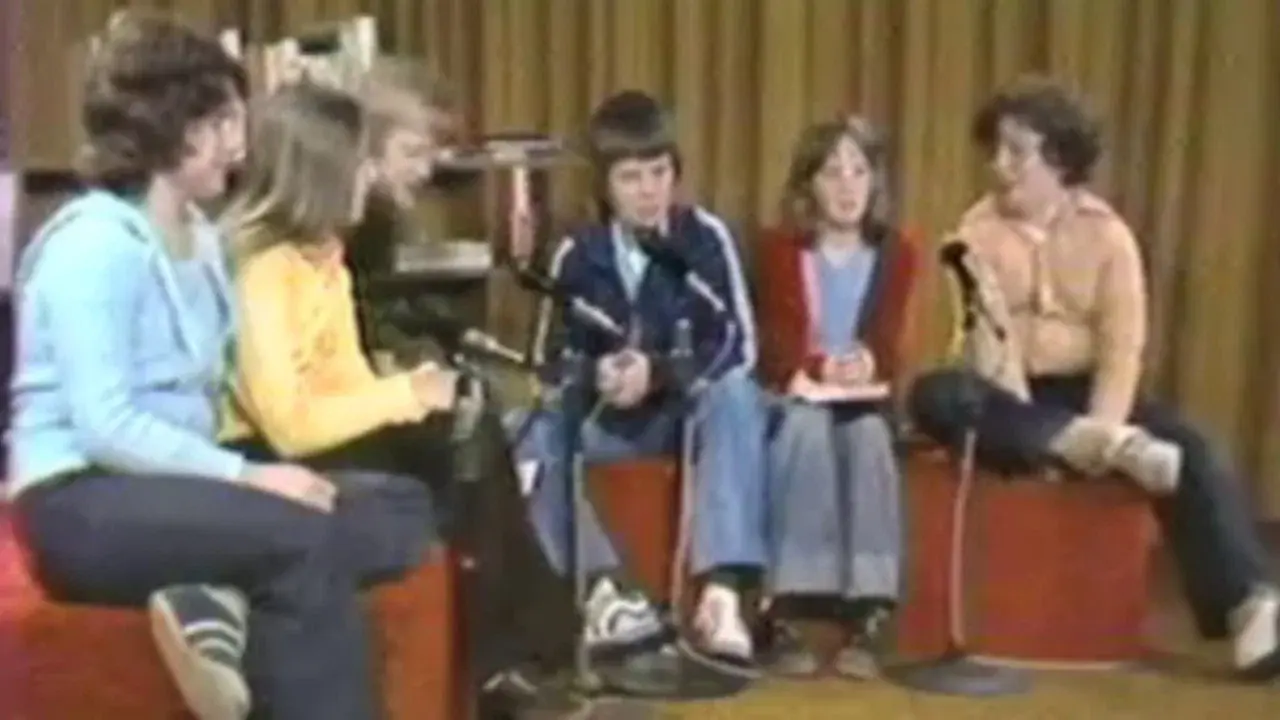
Vancouver s two leading authorities on sexism in the school system, Linfa Shuto and Reua Dexter, relate their opinions on the problem and some solutions that they are working on. The tape also includes a short historical look at women s position in education and a critical discussion on sex stereotype roles by Grade 6 students.
Key Film Crew
Production Stats
You May Also Like


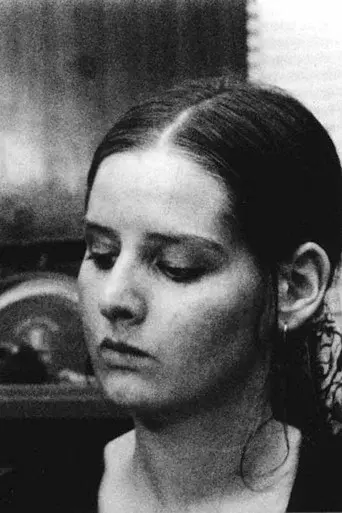
A docu-drama shot in 1970, but not completed until 1973, the film sought to encapsulate in an experimental form issues that were under discussion within the Women’s Liberation Movement at this time and to thus contribute to action for change. In its numerous community screenings, active debate was encouraged as part of the viewing experience.
A Film for Discussion

The funeral procession of suffragette Emily Davison - fatally injured at the Epsom Derby - passes through London to her final resting place in Morpeth.
Miss Davison's Funeral
Children get ready to start the first grade. They start learning the first letters.
A, B, C... Z
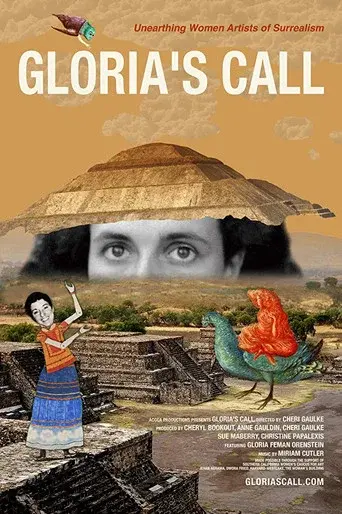
In 1971, graduate student Gloria Orenstein received a call from Surrealist artist Leonora Carrington that sparked a lifelong journey into art, ecofeminism and shamanism. This short film uses art, animation and storytelling to celebrate this wild adventure. Now more than 40 years later, award-winning Dr. Gloria Feman Orenstein is a feminist art critic and pioneer scholar of women in Surrealism and ecofeminism in the arts. Her delightful tale brings alive an often unseen history of women in the arts.
Gloria's Call

The film follows the story of Jamie, a struggling butch lesbian actress who gets cast as a man in a film. The main plot is a romantic comedy between Jamie's male alter-ego, "Male Jamie," and Jill, a heterosexual woman on set. The film's subplots include Jamie's bisexual roommate Lola and her cat actor Howard, Lola's abrasive butch German girlfriend Andi, and Jamie's gay Asian friend David.
Butch Jamie
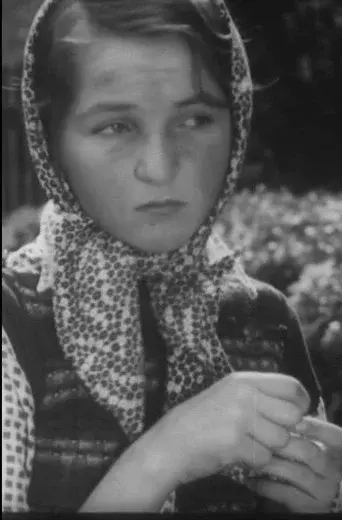
The film's protagonists are the orphaned children taken into custody by the state and institutionalized at Children's House no. 6 from Bucharest. For Mészáros, the concern for the situation of children left orphaned during the Second World War is autobiographical: the director directly experienced the absence of parents in her own childhood.
Let All Children Smile

Widerstandsmomente (Moments of Resistance) carries voices, writings, and objects from the anti-Nazi resistance into the present. Politically engaged women of today respond to historical resistance and make links to current events. A line is drawn from what was before and what is today to what might be: a society based on solidarity without discrimination or exclusion.
Moments of Resistance

We’re travelling from luxury kitchen to luxury kitchen with Agnes, from Bergisch Gladbach via Barcelona to the Faroe Islands. The cook’s luggage always includes her backpack containing various knives, cleavers and tweezers. The camera watches over the inquisitive young woman’s shoulder as delicacies are being prepared. Our mouths water. At the same time, we get insights into the different ways of running a restaurant. It’s about team spirit and equality at the stove.