

Omegäng
Overview
How is our dialect faring in the globalized age? When the "railroad age" began 160 years ago, Switzerland feared that High German would supplant the dialect. The opposite has happened. The dialect persists and continues to blossom.
Key Film Crew
Production Stats
You May Also Like
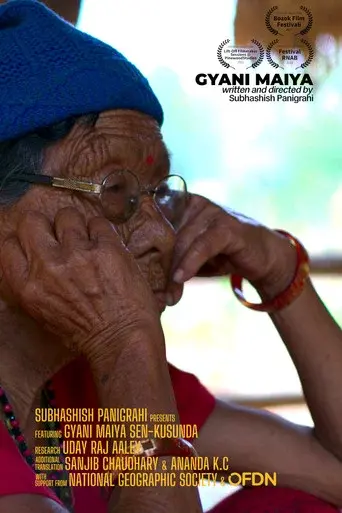
“We left our language and started speaking others’. The girls have got married and have left for the villages. Boys are getting married in villages. It should be taught to children”. — Gyani Maiya Sen-Kusunda The Gi Mihaq (also known as Kusunda) was a semi-nomadic hunter and gatherer community that settled in villages around the mid-western Nepalese district of Dang. They have long lost their native language Mihaq (Kusunda), to acculturation and other barriers to active use. The community also lost their 83-year-old elder Gyani Maiya Sen-Kusunda in 2020, the most and the only known fluent Kusunda speaker then. Filmed in Kulmor in the Dang District in 2018, this openly-licensed documentary is a memoir of Sen-Kusunda in her own words and a biography of her people who were forced to leave their language and cultural identity. Kusunda is being revived by Kamala Sen Khatri, Sen-Kusunda’s younger sister, and Uday Raj Aaley, a local researcher who is the key interviewer for this film.
Gyani Maiya
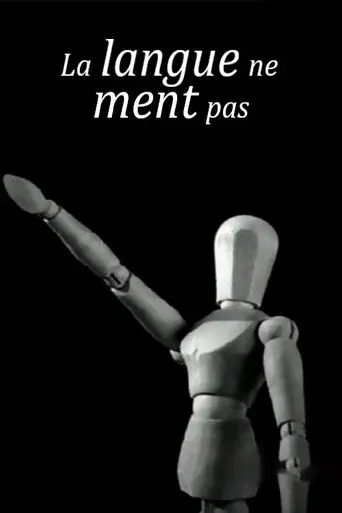
Victor Klemperer (1881-1960), a professor of literature in Dresden, was Jewish; through the efforts of his wife, he survived the war. From 1933 when Hitler came to power to the war's end, he kept a journal paying attention to the Nazis' use of words. This film takes the end of 1945 as its vantage point, with a narrator looking back as if Klemperer reads from his journal. He examines the use of simple words like "folk," "eternal," and "to live." Interspersed are personal photographs, newsreel footage of Reich leaders and of life in Germany then, and a few other narrative devices. Although he's dispassionate, Klemperer's fear and dread resonate
Language Does Not Lie
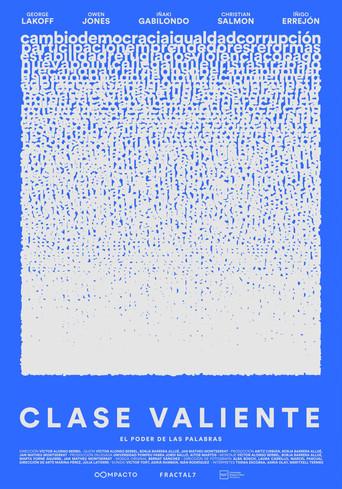
Three college students start a social experiment to prove that reality changes according to the words we use to describe it. Through research, activist actions, and artistic interventions, they analyze the importance of language in the way we understand the world. The documentary includes analysis from more than 20 international experts and leaders in the fields of political communication and information.
The Brave Class

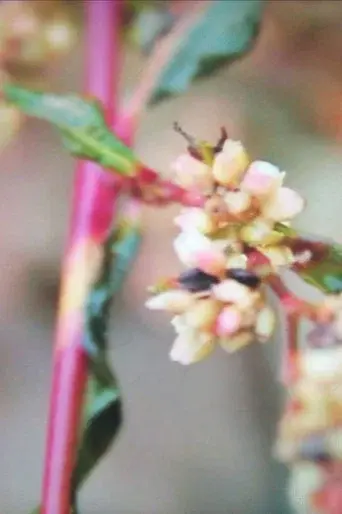
"This project consists a visual fluidity of construction, harmony and thoughts taking colors and length from this body of autonomy. Different images between figuration and abstraction are created by meaning and phenomenon letting the decoupage revealing a piece of a strange underworld. I built it like a window opened to the fresh air of improvisation by familiar landscapes, those exact moments articulating a connection between light and movement."
Hunting Confessions
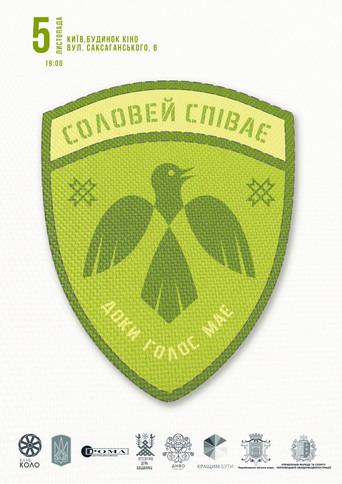
The movie explores the origin of the Ukrainian language and persecution of those who defended its authenticity. Using examples of other countries, creators of the film prove that a nation cannot exist without a language.
The Nightingale Sings

Michel Thomas is one of the most brilliant language teachers in the world. His usual clients are movie stars and business leaders. This programme takes him to a Sixth Form College in London to work with school pupils, to test his claim that he can teach anyone a language in a week - with no reading, writing or homework. The film also explores his personal history - as a hero of the French Resistance during WW II. Nigel’s documentary with the 85 year old Michel Thomas was the first time that Thomas allowed his techniques to be made public. The subsequent success of the film transformed Thomas into a global celebrity and his method into one of the most highly regarded in the world of education.
The Language Master

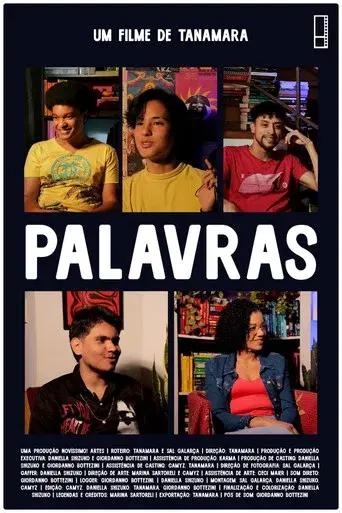
WORDS FROM HOME is a poetic documentary that explores the kinds of affection and identity in the portuguese language spoken in Brazil. Through migrants' stories and their reflections, the movie reveals how expressions, accents and memories form emotional and cultural bonds, showing how speaking connects us, differentiates us and, above all, brings us closer together.
Words From Home

"Speedball" Mike Bailey pulls back the curtain on the artistry of pro wrestling while fighting his way through a busy week of independent shows.
Keep It Kayfabe
For some time now, The State Commission of the Lithuanian Language is at the center of tough discussions. For some, it’s an institution which safeguards the most important principles of the language, but for others, it’s an anachronism of the Soviet regime. This film offers a first-time glimpse into the commission’s work
The Commission

Three Alaska Native women work to save their endangered language, Kodiak Alutiiq, and ensure the future of their culture while confronting their personal demons. With just 41 fluent Native speakers remaining, mostly Elders, some estimate their language could die out within ten years. The small community travels to a remote Island, where a language immersion experiment unfolds with the remaining fluent Elders. Young camper Sadie, an at-risk 13 year old learner and budding Alutiiq dancer, is inspired and gains strength through her work with the teachers. Yet PTSD and politics loom large as the elders, teachers, and students try to continue the difficult task of language revitalization over the next five years.
Keep Talking


The Cherokee language is deeply tied to Cherokee identity; yet generations of assimilation efforts by the U.S. government and anti-Indigenous stigmas have forced the Tri-Council of Cherokee tribes to declare a State of Emergency for the language in 2019. While there are 430,000 Cherokee citizens in the three federally recognized tribes, fewer than an estimated 2,000 fluent speakers remain—the majority of whom are elderly. The covid pandemic has unfortunately hastened the course. Language activists, artists, and the youth must now lead the charge of urgent radical revitalization efforts to help save the language from the brink of extinction.
We Will Speak

It is estimated that 40% of the world’s population lack the opportunity to be educated in their own language. In Colours of the Alphabet we get an insight into the challenges this poses as we follow a group of first graders in Zambia – a country with 72 local languages where education is primarily offered in English.
Colours of the Alphabet

A TV-hour length documentary film depicting the relationship between language, culture, place, music, tradition, and magic on an active volcano, in the Pacific nation of Vanuatu, on the island of Ambrym.
Lon Marum
The filmmaker traces the loss of her ancestral language over three generations of her family, and her own desire to recover it.
