
Hope You Like It - Ken Cooper
Overview
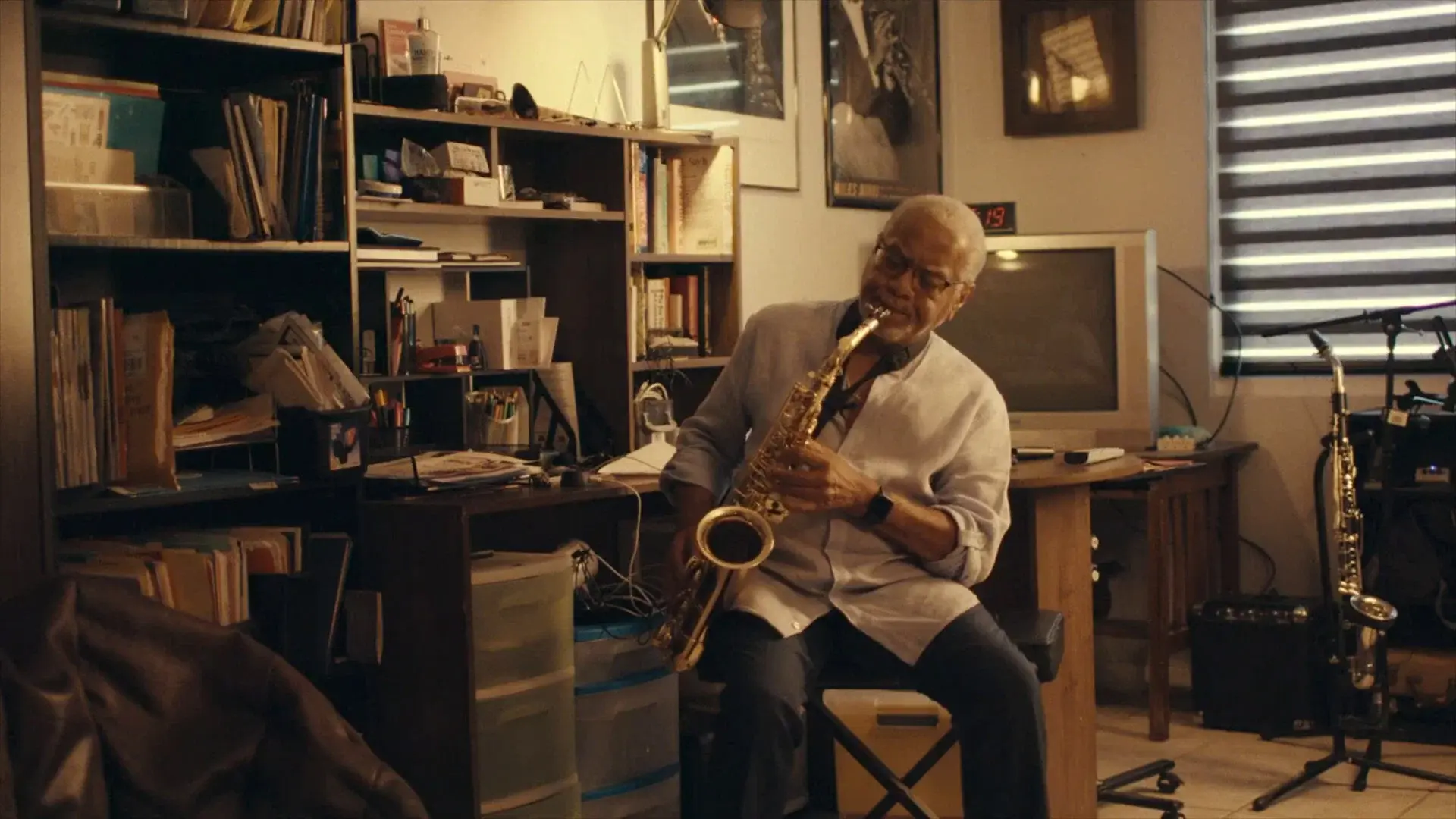
"Hope You Like It" is a heartwarming short documentary that delves into the life of Ken “K-Brick” Cooper, a talented jazz musician whose music carries the weight of a cherished family legacy. Set against the backdrop of an isolated mall in Laughlin, Nevada, this short film captures Ken's poignant journey as he serenades the empty hallways with original jazz compositions. His saxophone, a precious gift from his late father just before his passing, serves as a powerful connection to the past.
Top Cast

Ken Cooper
Self
Key Film Crew
Production Stats
You May Also Like
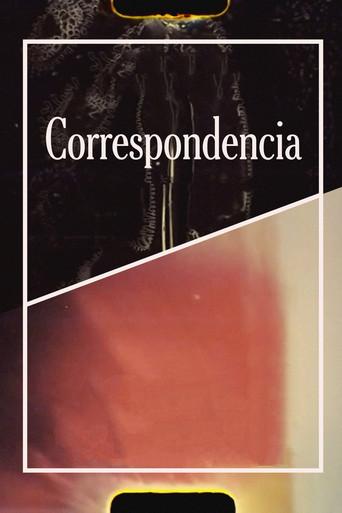
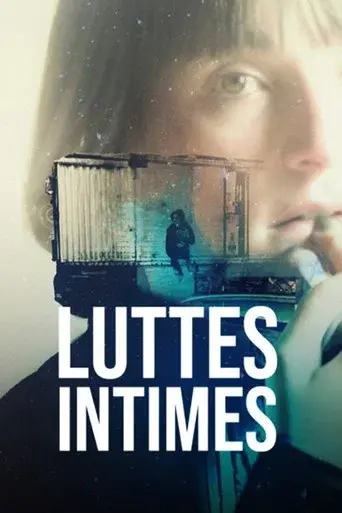
In the form of a filmed epistolary conversation, two young, experienced filmmakers discuss film, present and past family, heritage and maternity. The personal and profound reflections—which are embodied in the graceful images taken day-to-day—are suddenly echoed by the political emergency of a country.
Correspondence

What does it mean to be kin with beings we are taught to revile? Hunt for the Malwoden is a meditation on kinship, disgust, and the porous boundaries between human and more-than-human worlds.
Hunt for the Malwoden
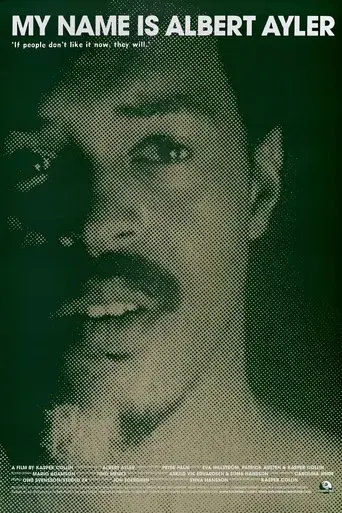
The prophetic jazz saxophonist Albert Ayler, who today is seen as one of the most important innovators in jazz, was obsessed with his radical music and by the thought that people one day would understand it. In 1962 he recorded his first album in Sweden. Eight years later he was found dead in New York's East River, aged 34. (TCM)
My Name Is Albert Ayler
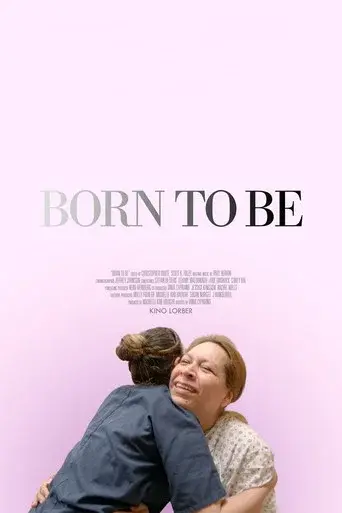
Soon after New York state passed a 2015 law that health insurance should cover transgender-related care and services, director Tania Cypriano and producer Michelle Hayashi began bringing their cameras behind the scenes at New York’s Mount Sinai Hospital, where this remarkable documentary captures the emotional and physical journey of surgical transitioning. Lending equal narrative weight to the experiences of the center’s groundbreaking surgeon Dr. Jess Ting and those of his diverse group of patients, BORN TO BE perfectly balances compassionate personal storytelling and fly-on-the-wall vérité. It’s a film of astonishing access—most importantly into the lives, joys, and fears of the people at its center.
Born to Be

JEWS excavates a lost world of manners and ritual in home movies shot by several Chicago families from the 1920s through the 1940s. Much as in similar found footage soliloquies by Péter Forgács, Jay Rosenblatt and Ken Jacobs, director Roger Deutsch wrings unexpected pathos from mundane traces of the past. Children mug for the camera with dances of the day, upright mothers march their strollers up the avenue, men smoke, the family gathers around the table to light the candles. The bare title cannot help but raise the specter of contemporaneous events in Europe, lending an extra degree of urgency to the film's meditation on disappearance. - Max Goldberg
Jews
Produced at the request of the Executive Committee of the People's Council of the capital, "Our Neighborhood" follows the story of a locomotive mechanic and his neighbors, recently assigned to the newly constructed buildings in Floreasca. Set against the backdrop of the emerging residential areas, the film's narrative structure retains the spirit of socialist realism but is strongly influenced by the optimism and cosmopolitanism of the 1960s. Accompanied by rhythmic swing tunes, we follow the characters of this documentary, representatives of the working class, both at their workplaces and in the new, bright and airy apartments, integrated into the logic and aesthetics of the new socialist neighborhood.
Cartierul nostru
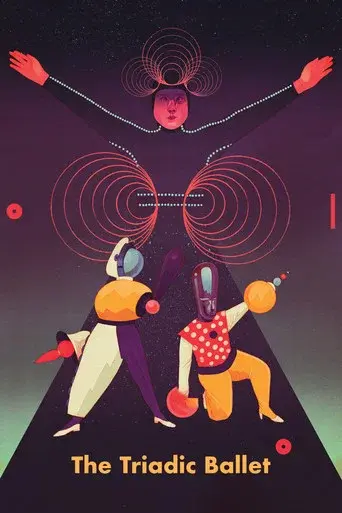
A film in three parts after Oskar Schlemmer's Triadische Ballett (Triadic Ballet).
The Triadic Ballet
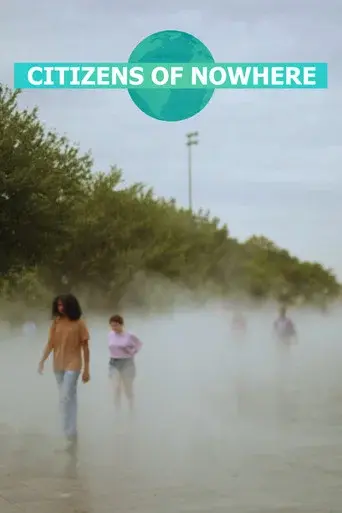
Millennials in the US discover their lack of legal nationality, sparking a search for recognition and belonging that unites them and offers hope for the future.
Citizens of Nowhere
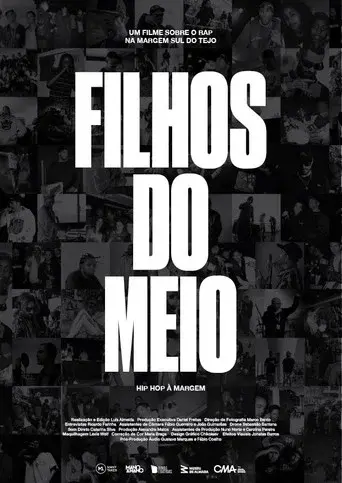

Between rhymes, beats, and archival footage, three “MCs” talk about their experiences in the rap battles that take place in downtown São Paulo (Brazil) and reflect on the role of these artistic encounters as a form of expression, entertainment and representation.
To Kill or To Be Killed
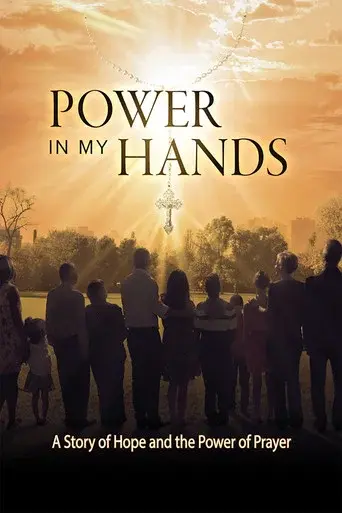
This is a film about the power of the Rosary, a Catholic Prayer. The film depicts personal stories about how the rosary has affected their lives.
Power in my Hands

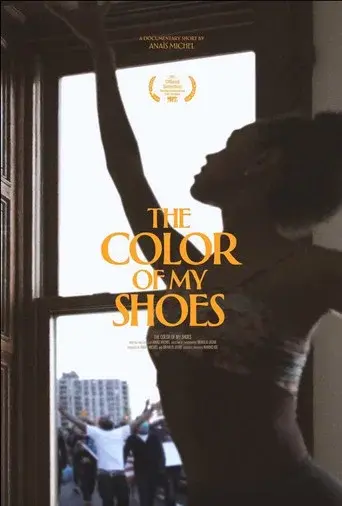
Dance Theater of Harlem's Lindsey Donnell reflects on the obstacles she and other ballet dancers face in ballet and society.
The Color of My Shoes
Documentary about the Szymon Wiesenthal Center and the obstacles, often set by governments not interested in providing any help for the Center's project, it encounters.