

Filhos do Meio – South Side Hip Hop Stories
Original Title: “Filhos do Meio – Hip Hop à Margem”
Overview
This film tells the story of rap music in Almada and Miratejo, one of the first major spots of this musical genre in Portugal. Guided by the protagonists who built and lived the movement intensively, we travel through their memories, stories, and inspirations to discover the great landmarks of this culture on the south banks of the Tagus River — built in a territory of demanding and politized working classes, with great cultural diversity in the post-Carnation Revolution.
Key Film Crew
Production Stats
You May Also Like

On July 7, 2007, more than 100 musical acts performed at a series of worldwide concerts collectively called Live Earth, kicking off a multi-year campaign to combat climate change and advocate environmentally sustainable living.
Metallica - Live Earth
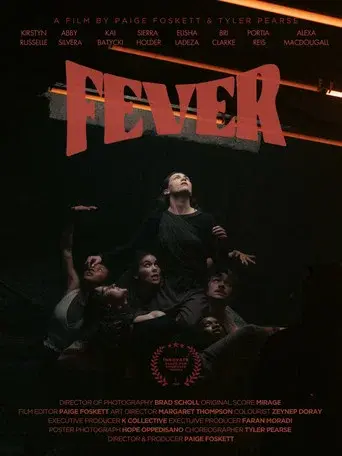
FEVER explores the feeling of spring pushed to its limits. Messy and brimming with life, bodies collide as desire takes over. Using movement as its primary source of storytelling, FEVER presents something viscerally human. Blurring the line between control and release, what begins as a glimmer of renewal, quickly becomes something more urgent and consuming.
FEVER


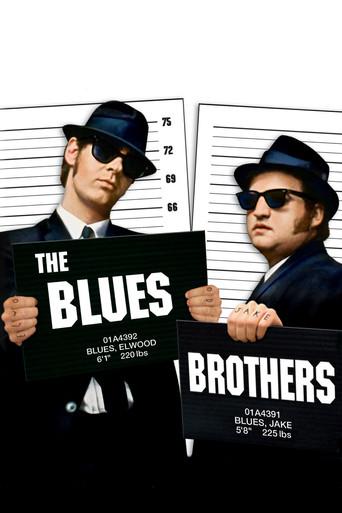
Jake Blues, just released from prison, puts his old band back together to save the Catholic home where he and his brother Elwood were raised.
The Blues Brothers




Broadcast from 1977 to 1987 on FR3, every Sunday morning, for 1h30, Mosaïque is a variety show with a set where music groups from the countries of origin of immigration perform, and which broadcasts reports on these countries and on immigrants who live in France. When it was created, it aimed to promote the cultures of origin of immigrants, but also to make them better known to the rest of the population. However, the program was never financed by public television which considers that it was aimed at a specific audience and was therefore not part of a public service mission. It received financial support from the Ministry of Labor, through its subsidy to the National Office for the Cultural Promotion of Immigrants, ONPCI (later becoming Information Culture and Immigration, ICEI, in 1977, then Agency for the Development of Intercultural Relations , ADRI). , in 1982).