Overview
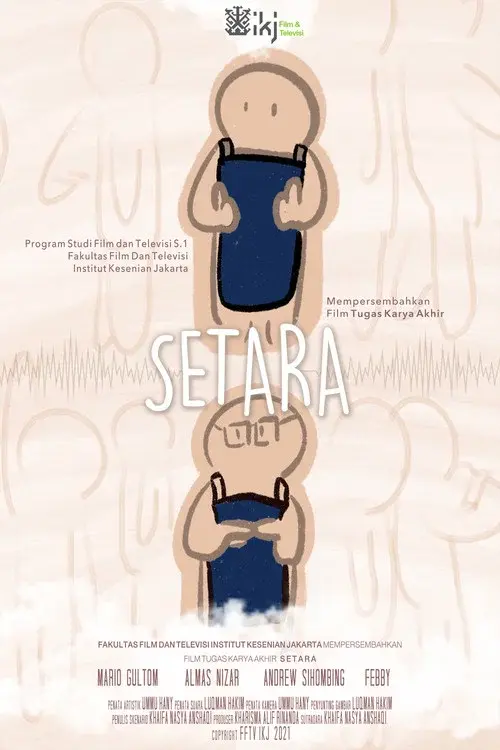
A documentary with an aim to raise awareness for workplace discrimination and see the world from the perspective of the deaf community.
Top Cast

Khaifa Nasya Anshaqi
Khaifa
Ummu Hany
Ummu

Luqman Ski
Luqman
Mario Gultom
Mario
Andrew Sihombing
Andrew
Febby Widya Putri
Febby
Almas Nizar
Almas
Key Film Crew
Production Stats
You May Also Like
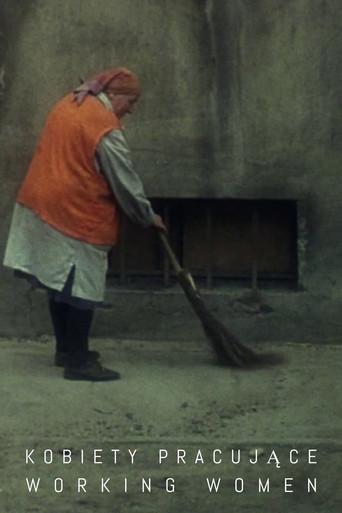
Stylized with dramatic interiors and a distorted frame rate, this early documentary miniature from Szulkin depicts six sequences of solitary, repetitious labor.
Working Women

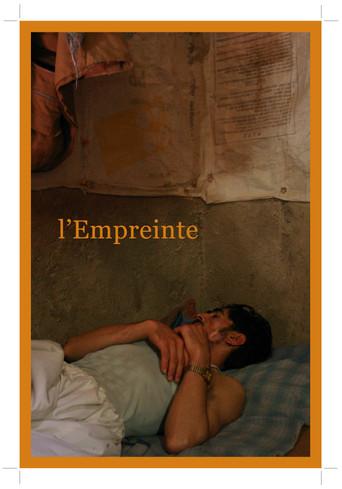
A bakery in Herat in Afghanistan. Twelve hours a day, seven days a week, a dozen employees and apprentices repeat the same gestures, while the camera raises questions about the outside world, about images.
L'empreinte

A film about occupational diseases. It shows what risks one faces in various professions and presents ways to avoid them. It is necessary to create a healthy work environment, to check the health of workers, to use protective equipment, and to build awareness of basic hygiene rules.
Billions Around Us
Document about different types of transportation in manufacturing plants and their importance for speeding up production.
Kilometry práce
It is a fetish, a mantra, a secret religion to modern man: work. In times of the financial crisis and massive job reductions, this documentary movie questions work as our 'hallow' sense in life in a way that both humors and pains us.
Keep Up the Good Work
Amber Galloway, a trailblazer in ASL interpretation, takes us on a journey into the deep bond between the Deaf world and music. We follow her as she teaches struggling recruits who she hopes will have what it takes to join her at ACL music festival.
The Way We Move

Documentary without audio produced by deaf people. Music is depicted visually with the complete absence of musical instruments or voices. Directed by Makihara Eri and choreographer Dakei. With a diverse lineup including ordinary deaf people with zero acting experience and a choreographer who performs in Japan and abroad, this film pulls out all the tops to give visual expression to music through the physical body. An aging man uses multiple sign language poems to convey the four seasons, and a girl expresses the wind amidst the rustling trees.
Listen
Through intimate stories and day-to-day routines we get a naturalistic glimpse into the lives of individuals with disabilities in the bustling urban landscape of São Paulo. The film captures personal moments and how modern societies confront (or fail to confront) ableism and inclusion.
Ableism in São Paulo

In his heartfelt documentary, co-director and subject Elad Cohen explores the meaning and experience of family. Growing up deaf and gay in a family of hearing people, Cohen never felt at home and always felt alone. That feeling of estrangement was exacerbated during his adolescence by the sudden death of his mother and the subsequent rift with his father as the family scattered in different directions. Cohen creates a sense of family with a small group of friends, including his best friend, Yaeli, a deaf woman. While he wants a child and a life partner, he fears that he won’t find the right man in the small deaf community in his “sweet little country.” Sharing a desire with Yaeli to be parents, the new “couple” decide to have a child in a shared parenting arrangement.
The Sign for Love
Nathan Quinell is a fully trained chef… he also happens to be legally deaf and blind. That’s never stopped him from chasing his dreams to become a full-time cook, but now Nathan must prove himself to his peers, his students and potential employers.
Plating Blind

Women from Turkey and Mecklenburg are working together side-by-side at a fish-processing factory in Lübeck. As they work, they share stories about their lives, including their sorrows, griefs, hopes, and dreams, while expressing their longing for home and feelings of being lost in a foreign place.
Money for Bread

Jill and Michael Stark are both deaf, as are their two children. Stuck between two cultures and wanting the best future for their children, they make the controversial choice for both of their children to undergo surgery for cochlear implants. They are part of only a handful of deaf parents in the US to choose implants for their children. After this seven year journey, was the result of the cochlear implant what they had hoped for?
Louder Than Words
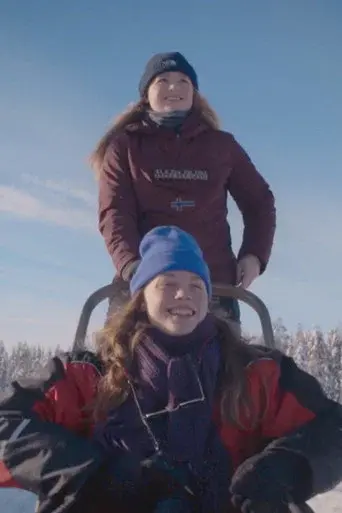
Lotte (18) and Roos (16) are sisters and both have Usher syndrome. That means they will soon become deaf and blind. It is not known how fast that will go, but they already see and hear a lot worse than their peers. How do these two high-spirited girls deal with their development into adulthood, while the time bomb of deafness and blindness ticks inexorably? They are not deterred from getting the most out of life: Lotte is studying to become a photographer and Roos is passing her final exams. At the same time, they also want to do a few things before it is too late, such as seeing the Northern Lights with their own eyes. Director Kim Smeekes followed Lotte and Roos for the film for two years.
Before it gets dark
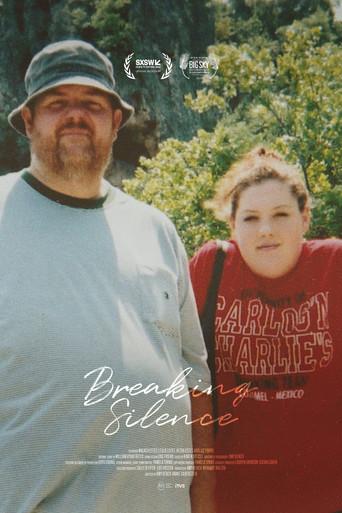
A portrait of a Deaf activist and his formerly incarcerated daughter who build new bonds through their experiences in the criminal justice system.