

Les dissimulateurs
Overview
No overview summary available for this movie.
Key Film Crew
Production Stats
You May Also Like
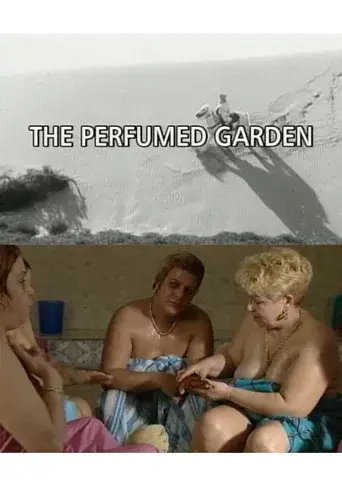
THE PERFUMED GARDEN is an exploration of the myths and realities of sensuality and sexuality in Arab society, a world of taboos and of erotic literature. Through interviews with men and women of all ages, classes, and sexual orientation, the film lifts a corner of the veil that usually shrouds discussion of this subject in the Arab world. Made by an Algerian-French woman director, the film begins by looking at the record of a more permissive history, and ends with the experiences of contemporary lovers from mixed backgrounds. It examines the personal issues raised by the desire for pleasure, amidst societal pressures for chastity and virginity. The film discusses pre-marital sex, courtship and marriage, familial pressures, private vs. public spaces, social taboos (and the desire to break them), and issues of language.
The Perfumed Garden

This documentary is about the Byker Community Centre. This centre was built in 1928. During the great depression, it helped a lot for the local people. In modern days, we have plenty of other problems, such as food waste, poverty, and isolation. This centre fights with all of that. Also, it invites all people, despite their disabilities, social groups, age, and gender and provides help and activities. This place is magical and hospitable.
Byker Community
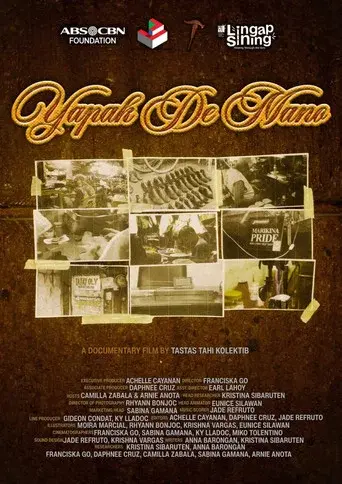
In the narrow streets of Marikina City, where the sound of hammers once echoed endlessly, Soles of Marikina unfolds as a cinematic portrait of craft, struggle, and survival. The film follows aging shoemakers and young apprentices as they work by hand—cutting leather, shaping soles, stitching stories into every pair—while fighting to keep an industry alive in a rapidly changing world.
Yapak de Mano

A short film following Anthony, a young child from the small, rural town of San Antonio de los Baños, Cuba. We see him in different moments of his daily life as he interacts with different forms of environmental, familial, and social influences. While Anthony displays contradictory traits of creativity, destruction, rigidity, and tenderness as he interacts with his external and internal worlds, we see a story built from the the multidimensionality of Anthony's layered personality as a young man.
Pick up the Wind
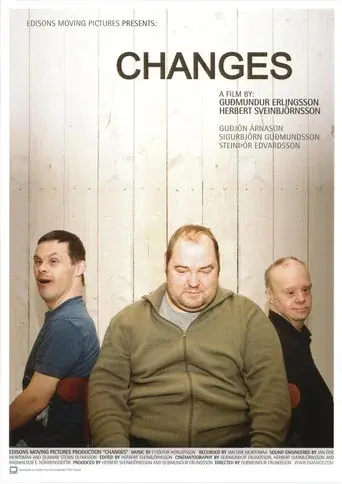
Tímamót, or Changes in English. An upbeat, heartwarming story about Gudjon, Sigurbjorn and Steinthor who lived together for decades along with several other inhabitants in the Tjaldanes Institution, in a peaceful valley close to Reykjavik. When a decision is made to close down the institution, their life takes an unexpected turn and they discover a new side to life and to themselves.
Changes


Openland is an art film guided by issues surrounding micro states and its derivative definitions. Through intertwining interviews, meta-narratives, and digital landscapes, Openland unfurls a dialogue between consciousness, individuality and collectivity.
Openland
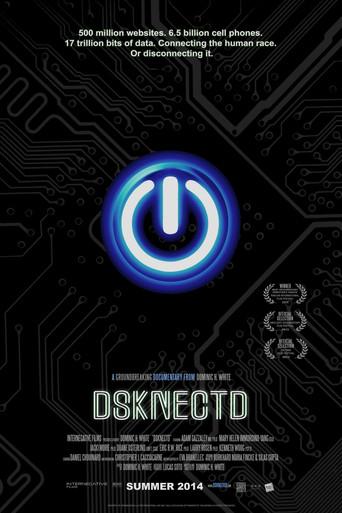
As clichés go, in 1999 the World as we knew it was about to change - and we'd been expecting it. Since childhood we'd been promised that the 21st century would bring us dramatic new technologies like flying cars and Utopian cities. Instead it bought us the smart-phone, social media, and virtual societies. And as it turns out these technologies began to transform society almost as dramatically as the moon colonies we'd been expecting. Now over a decade into the revolution, 'DSKNECTD' explores how digital communication technology is profoundly changing the way we interact and experience each other - for the good and for the bad.
DSKNECTD


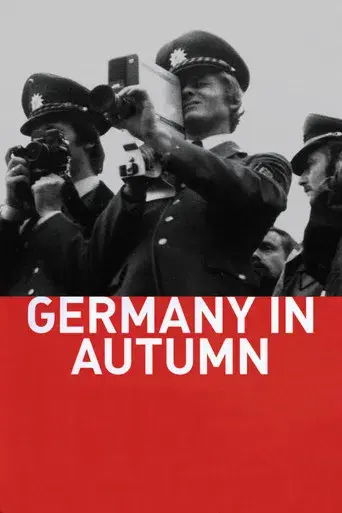
Nine fictitious documentaries and films reflect the mood of late 1970s Germany, particularly the two-month period in 1977 when a businessman was kidnapped by the RAF (Red Army Faction). The kidnap had been made to orchestrate the release of the original leaders of the RAF, aka the Baader-Meinhof.
Germany in Autumn
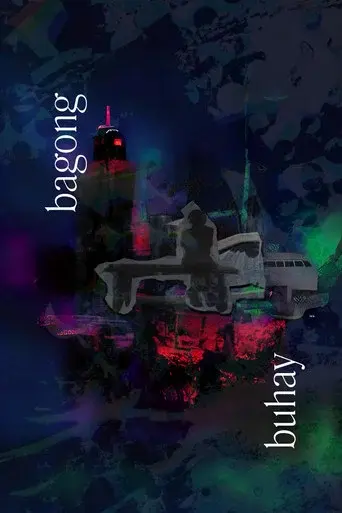
"Bagong Buhay" is a short experimental film that dispels the common belief that packing up and moving to a new place will magically improve one's quality of life. The film challenges this presumption by portraying two contrasting ways of life through objects and locations, encouraging viewers to think critically about the complexities of what makes a better life. In the Philippines, it's believed that relocating to a new area will bring about positive changes in one's existence. True satisfaction is a complex and multifaceted notion, and "Bagong Buhay" encourages us to ponder that relocating to a new place is not a surefire way to attain it.
