Overview
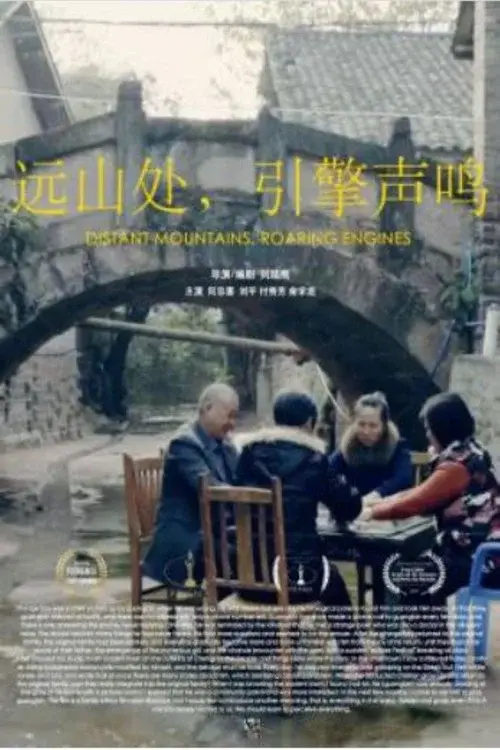
Strange boy was a child picked up by guangbin when he was young. He was raised, but one day his biological parents found him and took him away. At that time, guangbin was not at home, and there was no address left, only a phone number left. Guangbin has since made a phone call to guangbin every few days, and there is only answering the phone, never replying. One day, he was reminded by the landlord that he met a strange poet who was also a doctor in the villagers' mind. The doctor told him many things he had never heard. He had more questions and seemed to be the answer. After the strange boy returned to the original family, the original family had been broken, and everyone gradually became more and more unfamiliar with him from the joy of his return, until they found the secret of their father, the emergence of the mysterious girl, and the chance encounter with the poet, with a sudden "eclipse Festival" breaking all plans.
Key Film Crew
Production Stats
You May Also Like

The story of a girl attempted suicide for love and finally returned to religion.
WHO IS MY LORD
This story is about the group's marvellous life without money.The film tell this story from six points of view: the screenwriter, the recording, the photography, the art, the performer and the director.
MAGUEY
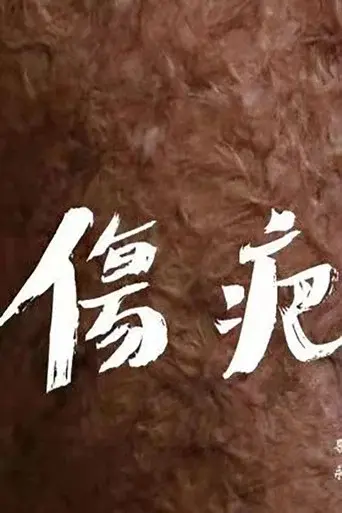
Scars, which are unfortunate or unexpected results, are also signs of healing. This new connective tissue replaces the process of injured tissues, and at the same time it becomes a metaphor for the pain and frustration of life: the sadness of the body, the union of pain... In short, scars have become a proof, a proof of existence, a proof of alive, a proof of pain, and a proof of a certain age. Beginning in 1949, in this vast land, these various scars, these healing marks, patterns, sad shapes, bring personal memories, collective pains, the marks of history, and come together Gaze, the meaning of the record. This film is the first part of the "Scar" project, the story of 110 Chinese scars.
SCAR
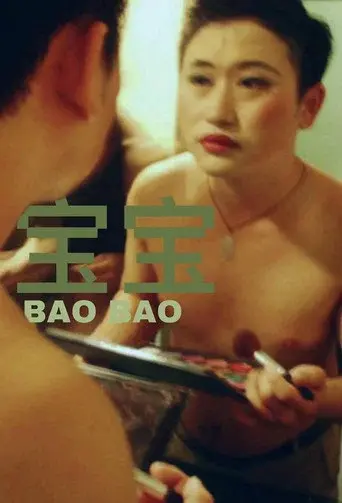
The baby is a temporary floating population. He works diligently, from a small restaurant owner to a tea shop manager to a bar manager. This film records the survival state of children centered and gay comrades: trivial, messy, boring, and entertaining themselves. The camera calmly captures every bit of their daily life for more than two years, and as time goes by, the changes the baby presents are more ordinary. The film calmly explains the relationship between "comrades" and "society", and the various small details interpenetrated in the film also metaphorically reflect the changes of today's society
Baby

This film is about the story of the main character and his younger brother, the younger brother saw the comic book of the main character, in his brain, he had a fight of animal chess related to memory. The younger brother belongs to the green party, the elder brother belongs to the orange party, at last the elder brother lost and the younger brother won in his consciousness, the younger brother took the elder brother to see the future elder brother in the heart of the younger brother.
CYPRIDINA
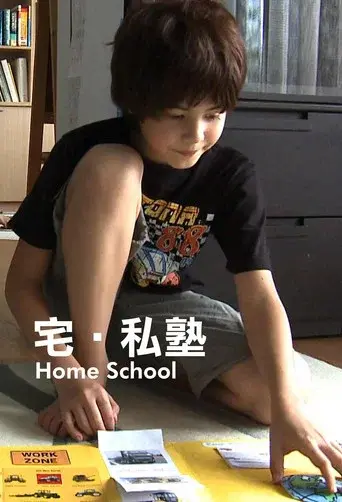
Here is only one chance in life, and the way of education has a profound impact on the future of children; letting children go to school at home is a challenge and an experiment that does not allow failure... This film visits four families who have completely different backgrounds but also choose to teach themselves. Through the sharing of experiences between their children and their parents, it presents the appearance of the phenomenon of self-study in Taiwan today. Is the pursuit of the happy growth of one's own children contradictory to the hope that the children will become a dragon and a phoenix? What kind of learning environment should we prepare for children? How do families with different backgrounds and children with different qualifications choose appropriate education methods? What is best for children?
HOME SCHOOL
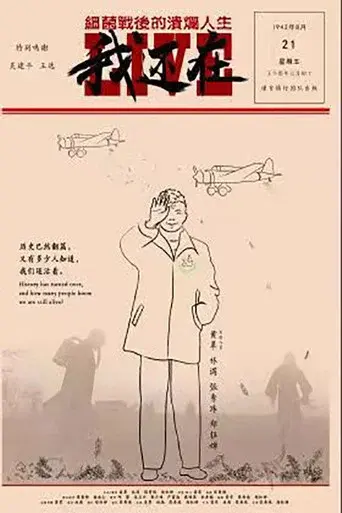
On August 21, 1942, while the Japanese "Expeditionary Team" immediately retreated with ground troops, they scattered anthrax on fields, grasses, and crops in urban residential areas along the Zhejiang-Jiangxi traffic. People along the route mostly depend on farming for their livelihoods, so at the same time, many people crippled and died with rotten feet. According to incomplete statistics, there are only more than 160 suspected germ warfare survivors in Quzhou, Zhejiang. This film focuses on these surviving elderly people. When 70 years have passed since the war and a new chapter of history opened, what kind of lives are the old people who are victims? What kind of mental state are you in? Will the wounds left over from the war heal? What is the attitude towards war?
LIVE OF ROTTEN LIFE

Beixnuengx means compatriot in the Zhuang language. I was born and raised in the city. Although I am Zhuang (China’s ethnic group), am I Beixnuengx? I want to find my identity. So I started with Zhuang folk songs. I set off from Nanning to Wuming, Baise, and then to Mashan, my hometown that I have never been to. I met people singing songs in WeChat groups; I joined the Zhuang song festival at the entrance of the village, I visited 100-year-olds who still make Zhuang brocade... What are the stories of those singing folk songs? What Beixnuengx culture is revealed in folk songs? Along the way, I slowly uncovered the much advertised Zhuang culture and saw her in the most original form. In the end, how did I answer my initial question?
I AM ZHUANG


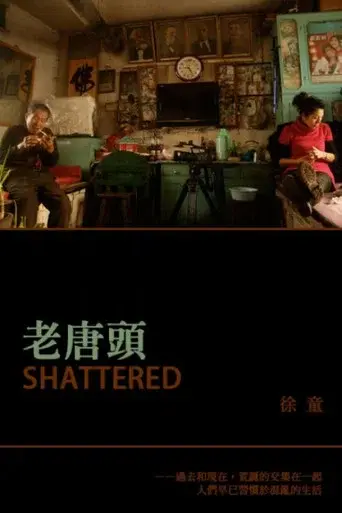
A microcosm of China past and present flows through Xu Tong’s intimate docu “Shattered,” in which the maverick indie filmmaker continues to refine his techniques and concerns shown in his previous “Wheat Harvest” and “Fortune Teller.”
Shattered
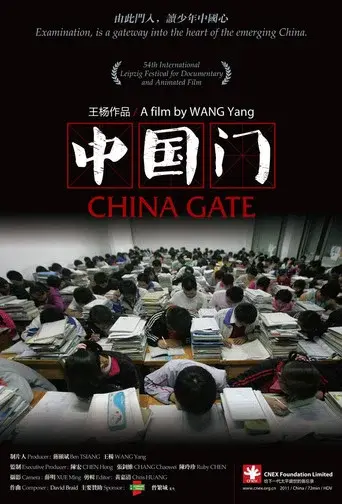
"China Gate" tells the story of young Chinese fight to change their fate through studying. Right before dawn, students in Huining have already started their self-studying session; hard working youngsters have filled up the space of school ground. This is one of the most poverty-stricken Counties in Western China; here people's only hope is in education, as the way to change their social status. Therefore all their effort point towards the College Entrance Examination, the process is like going through a gate, those who pass can study at urban Universities, and have the chance to build a better life. During the same winter season in Beijing, a graduate student faces a big decision. Should he keep trying to survive in the big city or get back to his countryside home? The exhausted faces at the Beijing underground seem to be revealing the truth about their distance in between. The student comes to see the flag ceremony at Tiananmen Square, where the pulsing symbol of the nation lies.
China Gate

The documentary Building Archeology (jiànzhú kǎo) (2011) considers the more recent past. It’s made up of three vignettes about different buildings in Beijing: a museum, an abandoned hospital, and a detention center. The latter two vignettes are especially interesting. In the second, a woman wanders around the ruins of a hospital built in a week to deal with the 2003 SARS outbreak. The third concerns a former prisoner, tracing out a map of the detention center where he was held in 2011.
Building Archaeology
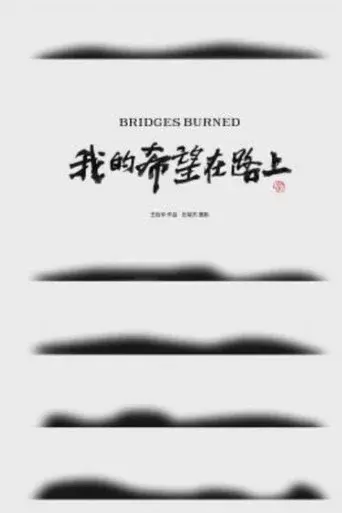
In the autumn of 2010, the poet Xiaozhao set off from Beijing and took a national tour of his personal poem collection "My Hope is on the Road" printed at a print shop. All the way up and down, full of ambition. Photographer Zhuang Ruijie went to Guangdong halfway to shoot. He recorded a trip to Guangzhou, Shenzhen, Chengdu, Shaanxi Shanyang, Huashan, Zhongnanshan, Xi'an and returned to Beijing for about 15 days.
Bridges Burned
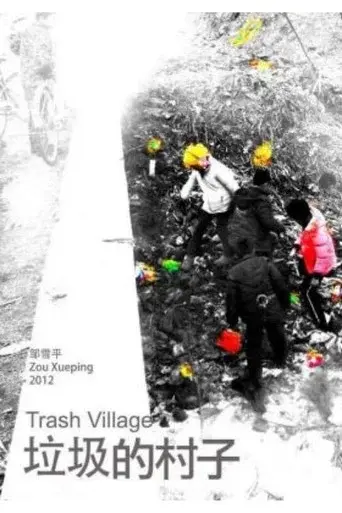
This is the fourth film in my Zoujiacun series within the Folk Memory Project. In 2013, I came back to my village and faced the trash all over the village. The children and I tried to improve the environment of our village. This was a tough fight against the trash and ideas of villagers. I felt like that the trash was in my heart. The 95-year-old grandma Sha and her 49-year-old son Xizhu, their lonely solitary life is also in this film. This film is about the progress that I fight with myself.
Trash Village
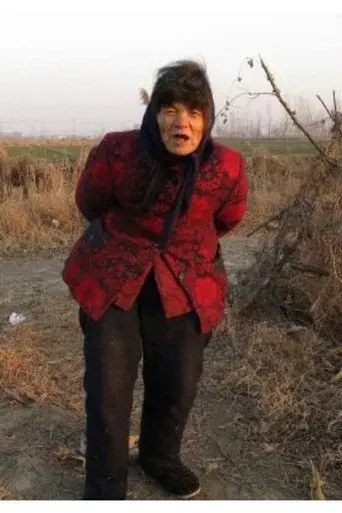
This is my fifth time coming back to my own village, where I was born and brought up. After I graduated from college, when I was staying in my village, I was always suspected and judged by the village people. Xizhu grandpa was called ‘fool’ by other villagers, and Zengxiang aunty was looked down by others. They come into my life, and I stayed with them. Their naïve and strange thought made think about my village in a new way. In this quite ‘normal’ village, who are normal people? In those normal people’s eyes, am I another fool of this village?