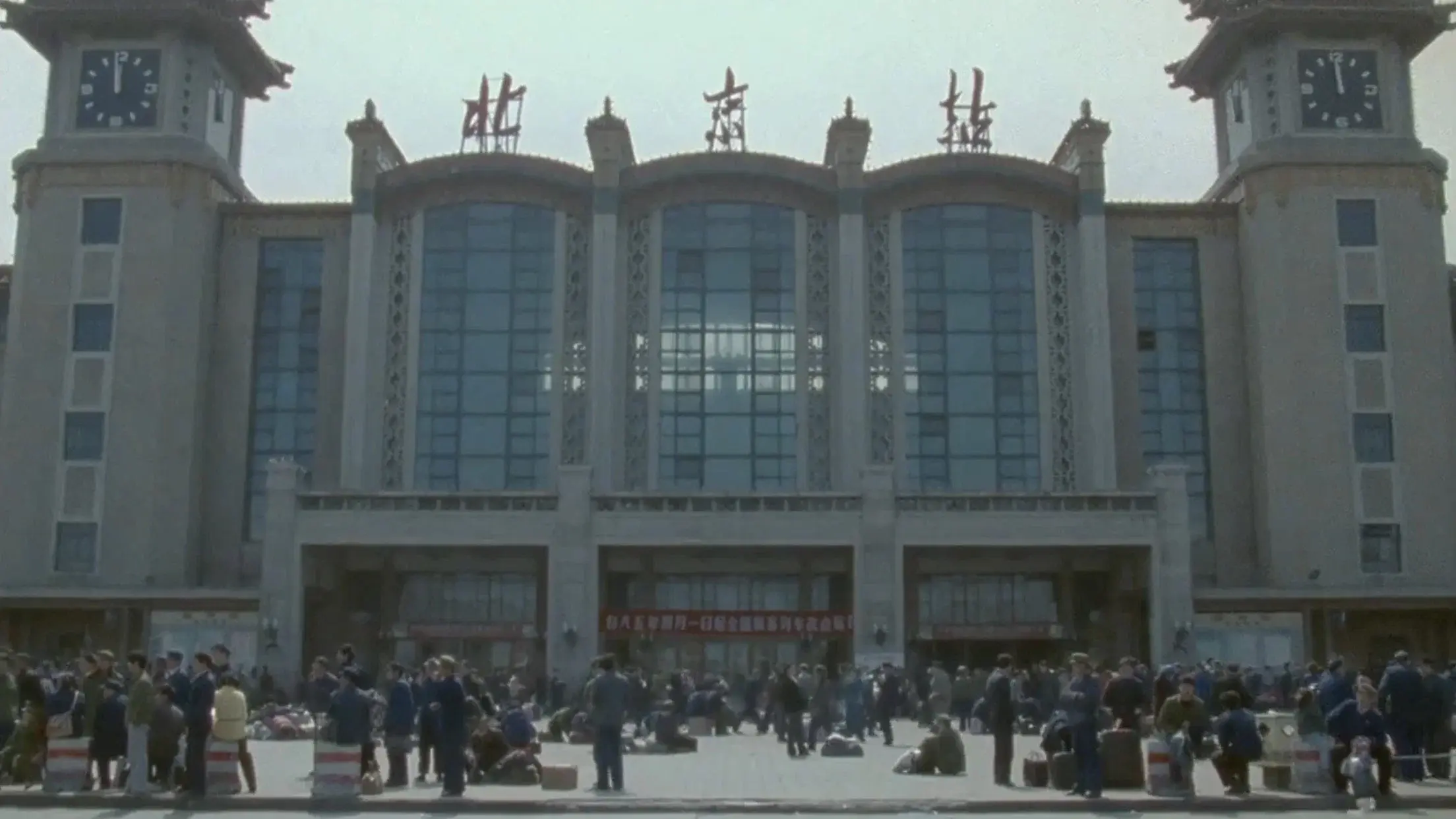

Overview
China marks the beginning of the extensive Asian theme in Ottinger’s filmography and is her first travelogue. Her observant eye is interested in anything from Sichuan opera and the Beijing Film Studio to the production of candy and sounds of bicycle bells.
Key Film Crew
Production Stats
You May Also Like

The story of a girl attempted suicide for love and finally returned to religion.
WHO IS MY LORD
This story is about the group's marvellous life without money.The film tell this story from six points of view: the screenwriter, the recording, the photography, the art, the performer and the director.
MAGUEY
Scars, which are unfortunate or unexpected results, are also signs of healing. This new connective tissue replaces the process of injured tissues, and at the same time it becomes a metaphor for the pain and frustration of life: the sadness of the body, the union of pain... In short, scars have become a proof, a proof of existence, a proof of alive, a proof of pain, and a proof of a certain age. Beginning in 1949, in this vast land, these various scars, these healing marks, patterns, sad shapes, bring personal memories, collective pains, the marks of history, and come together Gaze, the meaning of the record. This film is the first part of the "Scar" project, the story of 110 Chinese scars.
SCAR

The baby is a temporary floating population. He works diligently, from a small restaurant owner to a tea shop manager to a bar manager. This film records the survival state of children centered and gay comrades: trivial, messy, boring, and entertaining themselves. The camera calmly captures every bit of their daily life for more than two years, and as time goes by, the changes the baby presents are more ordinary. The film calmly explains the relationship between "comrades" and "society", and the various small details interpenetrated in the film also metaphorically reflect the changes of today's society
Baby

This film is about the story of the main character and his younger brother, the younger brother saw the comic book of the main character, in his brain, he had a fight of animal chess related to memory. The younger brother belongs to the green party, the elder brother belongs to the orange party, at last the elder brother lost and the younger brother won in his consciousness, the younger brother took the elder brother to see the future elder brother in the heart of the younger brother.
CYPRIDINA
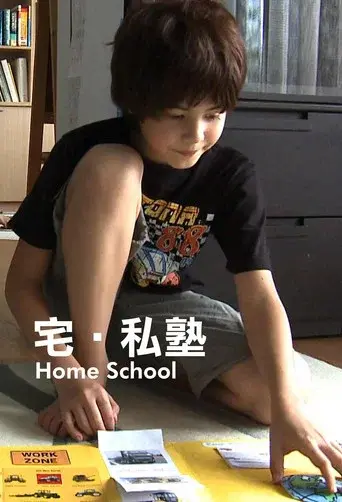
Here is only one chance in life, and the way of education has a profound impact on the future of children; letting children go to school at home is a challenge and an experiment that does not allow failure... This film visits four families who have completely different backgrounds but also choose to teach themselves. Through the sharing of experiences between their children and their parents, it presents the appearance of the phenomenon of self-study in Taiwan today. Is the pursuit of the happy growth of one's own children contradictory to the hope that the children will become a dragon and a phoenix? What kind of learning environment should we prepare for children? How do families with different backgrounds and children with different qualifications choose appropriate education methods? What is best for children?
HOME SCHOOL
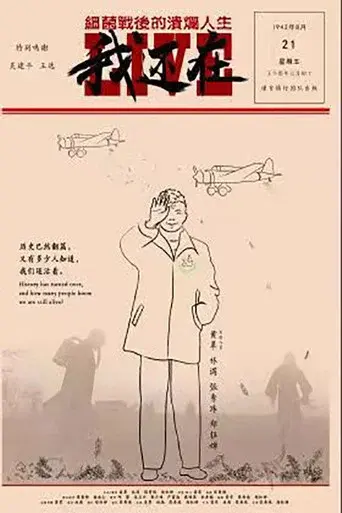
On August 21, 1942, while the Japanese "Expeditionary Team" immediately retreated with ground troops, they scattered anthrax on fields, grasses, and crops in urban residential areas along the Zhejiang-Jiangxi traffic. People along the route mostly depend on farming for their livelihoods, so at the same time, many people crippled and died with rotten feet. According to incomplete statistics, there are only more than 160 suspected germ warfare survivors in Quzhou, Zhejiang. This film focuses on these surviving elderly people. When 70 years have passed since the war and a new chapter of history opened, what kind of lives are the old people who are victims? What kind of mental state are you in? Will the wounds left over from the war heal? What is the attitude towards war?
LIVE OF ROTTEN LIFE

Beixnuengx means compatriot in the Zhuang language. I was born and raised in the city. Although I am Zhuang (China’s ethnic group), am I Beixnuengx? I want to find my identity. So I started with Zhuang folk songs. I set off from Nanning to Wuming, Baise, and then to Mashan, my hometown that I have never been to. I met people singing songs in WeChat groups; I joined the Zhuang song festival at the entrance of the village, I visited 100-year-olds who still make Zhuang brocade... What are the stories of those singing folk songs? What Beixnuengx culture is revealed in folk songs? Along the way, I slowly uncovered the much advertised Zhuang culture and saw her in the most original form. In the end, how did I answer my initial question?
I AM ZHUANG

A poetic documentation of the Long Beach Island, NJ community as they battle local politics, cope with personal tragedy, and band together after Hurricane Sandy.
This Time Next Year
A short documentary following the launch of the first trial to use Coca-Cola's crates and distribution know-how to deliver life-saving anti-diarrhea kits in Zambia.
The Cola Road

After five years studying in Paris, Arash has not adjusted to life there and has decided to return to Iran to live. Hoping to change his mind, his two friends Hossein and Ashkan convince him to take a last trip through France.
Before Summer Ends

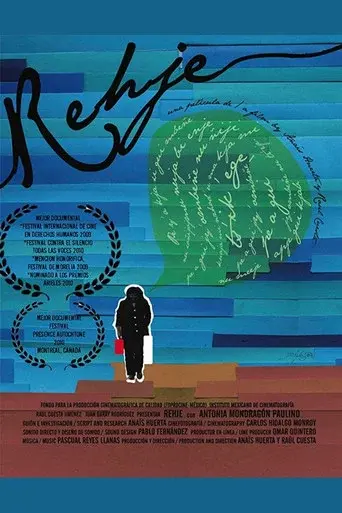
After forty years living in Mexico City, Antonia longs to go back to her home town, a Mazahua village in the state of Mexico. When she returns, she discovers many things, including that a scarcity of water threatens life in her community.
Rehje
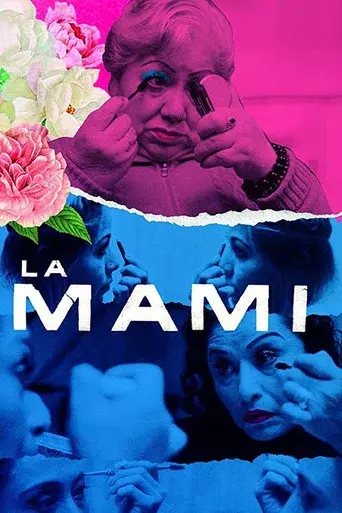
One of the rooms inside the legendary Barba Azul Cabaret has become a shelter for the girls working there: the women's bathroom. Every night La Mami, who's in charge of the bathrooms, offers them the warmth and the advice they need to take on the challenge they face in the dance hall.
La Mami

Is the story of women that were guerrilleras in Uruguay at the beginning of the 70's. Under an intimate focus, the film shows the moments of decision and the personal crossroads that it involve. The documentary search the experience and the look of common individuals in exceptional situations and goes to the bottom of the load of tensions, fears, contradictions and personal costs that those labor instants of the History have.
Seven Moments


During the 1977 World Series, Sports Illustrated reporter Melissa Ludtke was denied access to the players' locker room. After a very public fight, the door was opened, but the debate about female journalists in the male sanctum of the clubhouse remained. Through interviews with pioneering female sports writers, Let Them Wear Towels captures the raw behavior, humorous retaliation, angry lawsuits and remarkable resolve that went into the struggle for equal access for women reporters.
Let Them Wear Towels
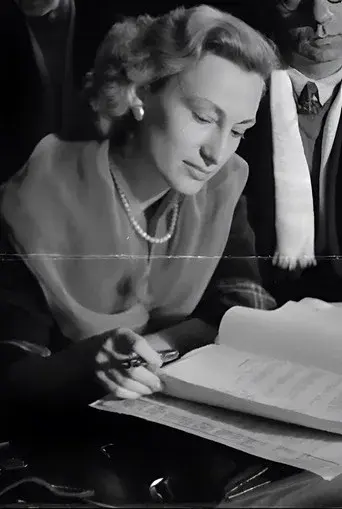
Made on the occasion of March 8, it presents a series of brief portraits of women, from various professional fields, of different ages and even of different ethnicities, pointing out the benefits that the communist organization had brought to their daily lives. A special emphasis is placed on their status as mothers and on the role of nurseries and socialist kindergartens not only in making their lives easier, but also in giving them the time they need to build a career. Another concern of the filmmaker, starting from the concrete case of one of the protagonists, is to highlight the differences between the happy present and the not-too-distant past in which someone with her social status should have dedicated herself exclusively to raising children, in hygienic and extremely difficult lives.