

Because We Have Each Other
Overview
Janet Sharrock has two children and Brent “Buddha” Barnes has three; the pair has a meet-cute at the local RSL, marry and unite their families, Brady Bunch style. Now grown up, Becky (famous for being one of only 80 people in the world with Highly Superior Autobiographical Memory), Jessica (a comedian living with depression), Brendan (who aspires to take over Buddha’s repair shop), and young Kylie and Dylan laugh, cry, contemplate existence and dream big with their parents, finding joy and stability in one another as they face immense change.
Top Cast

Becky Sharrock
Self
Brendan Barnes
Self
Dylan Barnes
Self
Janet Barnes
Self
Jessica Sharrock
Self
Kylie Barnes
Self
Brent “Buddha” Barnes
Self
Key Film Crew
Production Stats
You May Also Like

Home movie collection of the Bohulano Family of Stockton, CA. Footage dates between the 1950s-1970s.
The Bohulano Family

The Executive Empress explores the entrepreneurial lives of several Florida women, who have turned their unique passions into successful businesses.
The Executive Empress




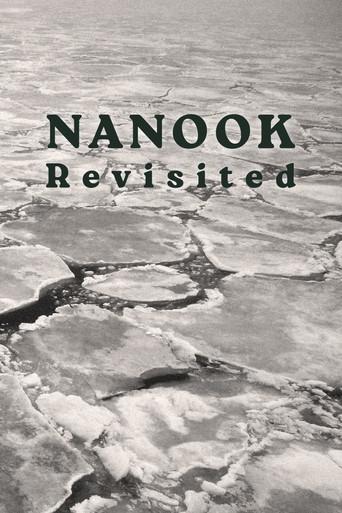
Filmmakers revisit Inukjuak, the Inuit village where Robert J. Flaherty filmed Nanook of the North in the early twentieth century, and examine the realities behind the ground-breaking documentary.
Nanook Revisited
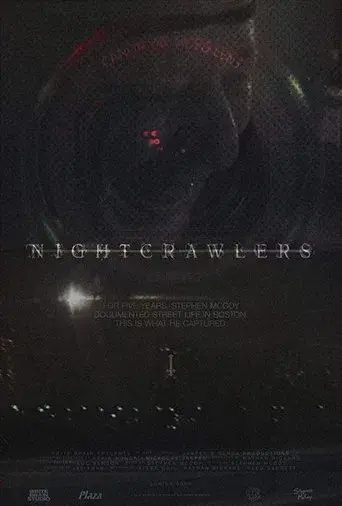
For five years, Stephen McCoy documented street life in Boston. This is what he captured.
Nightcrawlers

Holger Diekmann was a singer, bass player, and drummer in multiple local bands throughout his short life. Filmmaker Jonas Helmerichs sets out to learn what kind of person his late uncle was. Intimate family portrait and exploration of grief, depression, and death.
Holger und ich.



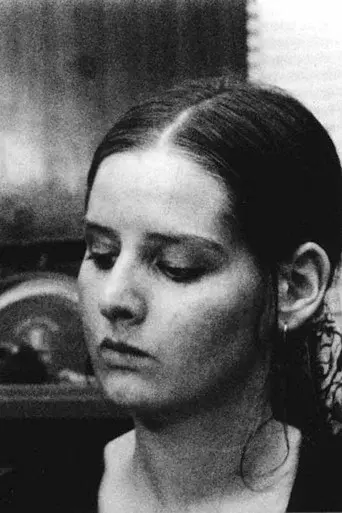
A docu-drama shot in 1970, but not completed until 1973, the film sought to encapsulate in an experimental form issues that were under discussion within the Women’s Liberation Movement at this time and to thus contribute to action for change. In its numerous community screenings, active debate was encouraged as part of the viewing experience.
A Film for Discussion

Just after midnight on 10 March 1945, the US launched an air-based attack on eastern Tokyo; continuing until morning, the raid left more than 100,000 people dead and a quarter of the city eradicated. Unlike their loved ones, Hiroshi Hoshino, Michiko Kiyooka and Minoru Tsukiyama managed to emerge from the bombings. Now in their twilight years, they wish for nothing more than recognition and reparations for those who, like them, had been indelibly harmed by the war – but the Japanese government and even their fellow citizens seem disinclined to acknowledge the past.
Paper City




In 1996, Damon Hill claimed the Formula 1 world championship—defying the odds and overcoming familial tragedy to step out of his father’s shadow and become a racing legend in his own right.
Hill

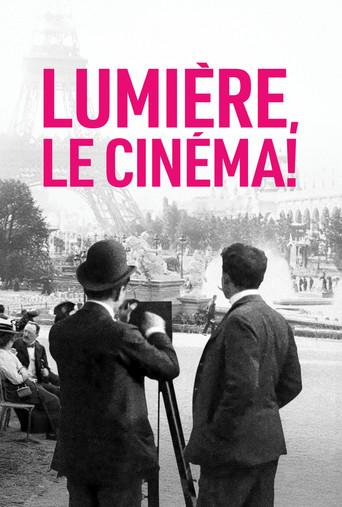
In one of those wonderful coincidences of history, lumière, the French word for “light,” was also the last name of brothers Auguste and Louis, whose brilliant invention, the cinematograph, helped to inaugurate the most beloved art form of the last 130 years. Institute Lumière director Thierry Frémaux uses Lumière, Le Cinema! to guide the viewer through over a hundred shorts—some famous, some forgotten, some never before seen—directed by Lumière and company. In the process, Frémaux illuminates how the brothers employed the camera as a creative instrument as they (and their operators) mastered framing, staging, and subject selection for quotidian and exotic microdocumentaries as well as the first ever fictional motion pictures. The result is not only a glorious re(telling) of the genesis of cinema but a profound meditation on the beautiful world captured—and the mysterious world imagined—by the Lumières.