Top Cast
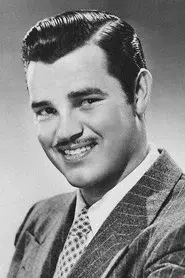
Tom Neal
Major Steve Ross

Barbara Hale
Abby Drake

Marc Cramer
Lewis Jardine
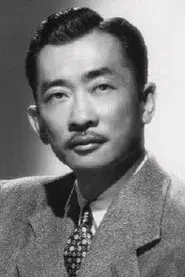
Richard Loo
Col. Hideko Okanura
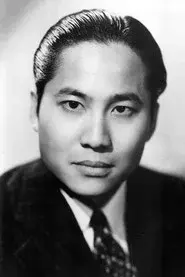
Keye Luke
Haan-Soo

Leonard Strong
Maj. Nogira

Benson Fong
Capt. Tanahe

Clarence Lung
Major Ichibo

Keye Chang
Capt. Sato
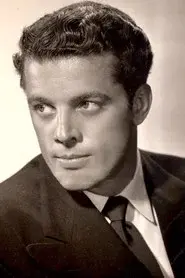
Michael St. Angel
Andrew Kent
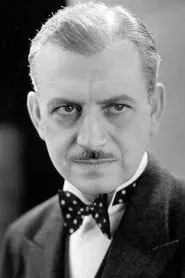
Russell Hicks
Gen. T.W. Stanton (uncredited)

Selmer Jackson
Col. Blaine (uncredited)
Key Film Crew
Production Stats
You May Also Like
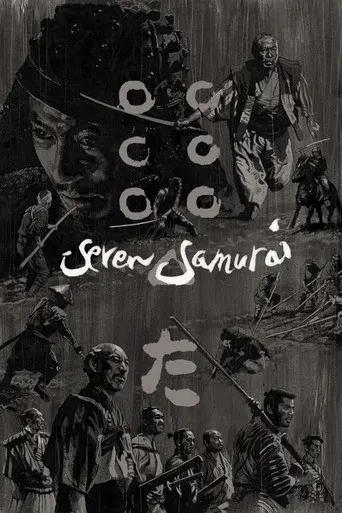
A samurai answers a village's request for protection after he falls on hard times. The town needs protection from bandits, so the samurai gathers six others to help him teach the people how to defend themselves, and the villagers provide the soldiers with food.
Seven Samurai
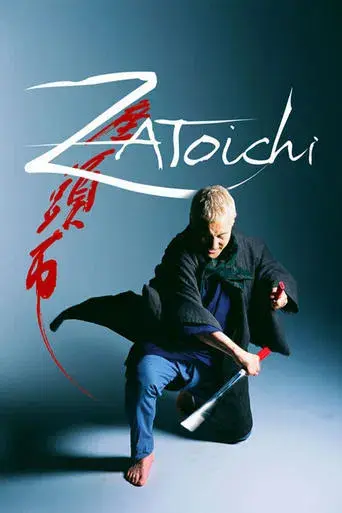
Blind traveler Zatoichi is a master swordsman and a masseur with a fondness for gambling on dice games. When he arrives in a village torn apart by warring gangs, he sets out to protect the townspeople.
Zatoichi

Eight years after the devastating tsunami, the wounds it left in Japan have still not healed. In her touching search for answers, Haru sets out on a long, eventful journey to her home town, where she lost her family in the flood.
Voices in the Wind

A lonely magazine editor finds romance with his personal trainer until a confession changes everything. Based on the novel by Makoto Takayama.
Egoist
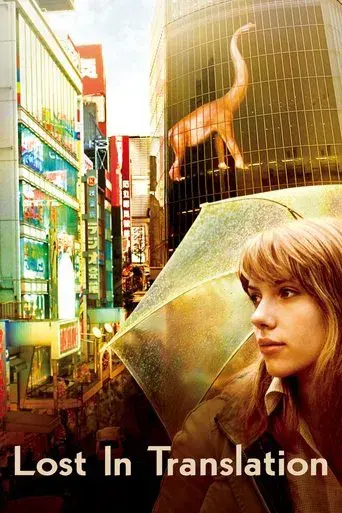
Two lost souls visiting Tokyo -- the young, neglected wife of a photographer and a washed-up movie star shooting a TV commercial -- find an odd solace and pensive freedom to be real in each other's company, away from their lives in America.
Lost in Translation
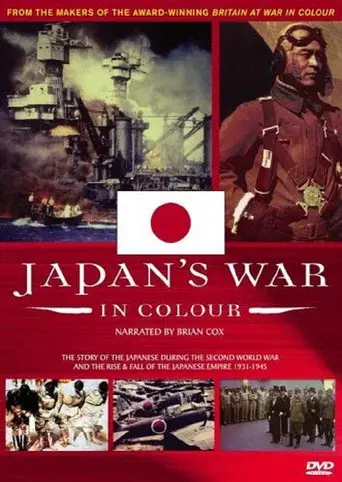
Using never-before-seen footage, Japan's War In Colour tells a previously untold story. It recounts the history of the Second World War from a Japanese perspective, combining original colour film with letters and diaries written by Japanese people. It tells the story of a nation at war from the diverse perspectives of those who lived through it: the leaders and the ordinary people, the oppressors and the victims, the guilty and the innocent. Until recently, it was believed that no colour film of Japan existed prior to 1945. But specialist research has now unearthed a remarkable colour record from as early as the 1930s. For eight years the Japanese fought what they believed was a Holy War that became a fight to the death. Japan's War In Colour shows how militarism took hold of the Japanese people; describes why Japan felt compelled to attack the West; explains what drove the Japanese to resist the Allies for so long; and, finally, reveals how they dealt with the shame of defeat.
Japan's War in Colour

An American woman is stranded in Tokyo after breaking up with her boyfriend. Searching for direction in life, she trains to be a ramen chef under a tyrannical Japanese master.
The Ramen Girl
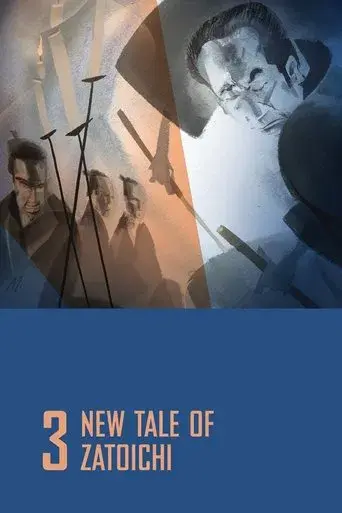
Wishing to find peace, Zatoichi travels to his old village but only finds trouble when he ends up in a love triangle and finds old scores have followed him home.
New Tale of Zatoichi
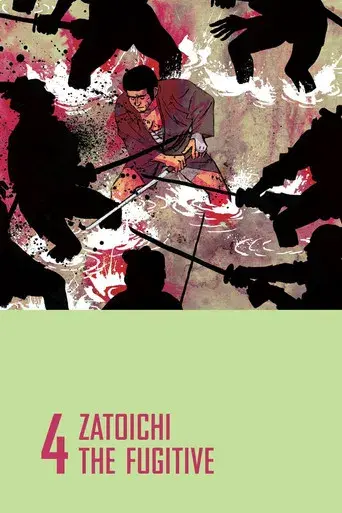
After arriving in the town of Shimonita, Ichi finds that a price has been put on his head by a local yakuza boss. He's drawn into a trap, but after hearing of the slaying of a former love, Ichi furiously fights his way through the entire clan to face the killer, a hired ronin.
Zatoichi the Fugitive
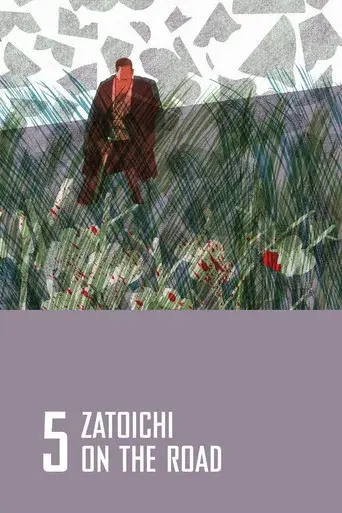
Zatoichi is sworn to protect the life of a young girl and without any real allies finds himself in the middle of a bloody turf war.
Zatoichi on the Road
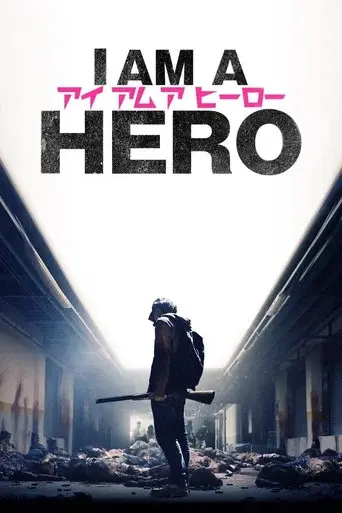
A man witnesses a fatal traffic accident on his way home from work, and the victim is clearly killed on impact. A moment later, when the corpse stands up and walks away, it could be a hallucination or something far more extraordinary.
I Am a Hero
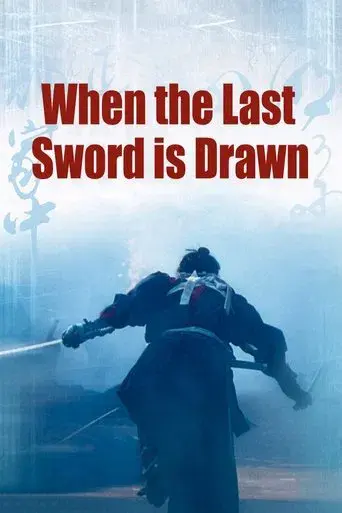
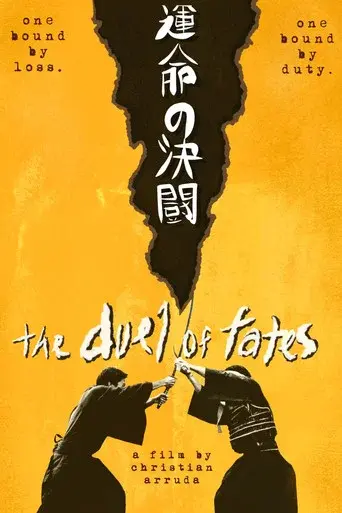
THE DUEL OF FATES is a Japanese revenge tale set in Edo period that follows a disgraced Rōnin whose plan to kill the Lord is halted by a man he used to call his friend.
The Duel of Fates
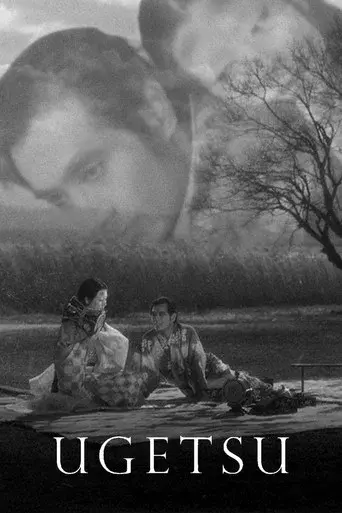
In 16th century Japan, peasants Genjuro and Tobei sell their earthenware pots to a group of soldiers in a nearby village, in defiance of a local sage's warning against seeking to profit from warfare. Genjuro's pursuit of both riches and the mysterious Lady Wakasa, as well as Tobei's desire to become a samurai, run the risk of destroying both themselves and their wives, Miyagi and Ohama.
Ugetsu

Down-on-his-luck veteran Tsugumo Hanshirō enters the courtyard of the prosperous House of Iyi. Unemployed, and with no family, he hopes to find a place to commit seppuku—and a worthy second to deliver the coup de grâce in his suicide ritual. The senior counselor for the Iyi clan questions the ronin’s resolve and integrity, suspecting Hanshirō of seeking charity rather than an honorable end. What follows is a pair of interlocking stories which lay bare the difference between honor and respect, and promises to examine the legendary foundations of the Samurai code.
Harakiri
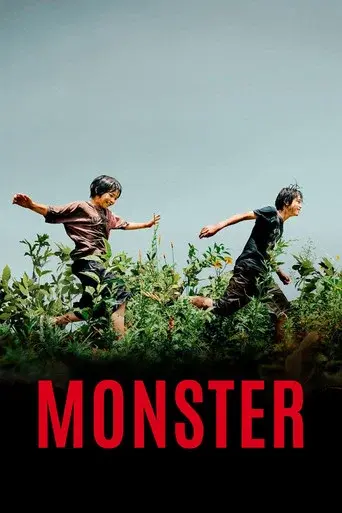
After an outburst at school involving her son, a concerned single mother demands answers, triggering a sequence of deepening suspicion and turmoil.
Monster
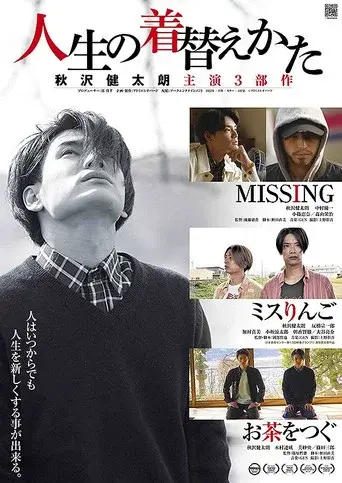
> Story 1: "Missing" > Story 2: "Miss Ringo" (ミスりんご) > Story 3: "Tea Brewer" (お茶をつぐ) Raita is a deaf boy who has just lost his father. His father wanted him to succeed his tea shop, but Raita didn't want to because his relationship with his father was not good. While he was closing the tea shop, Teiji, who is a genius tea blender, came to the shop and challenged Raita to compete on blending the regendally tea which Raita's father was famous for.
Jinsei no Kigaekata
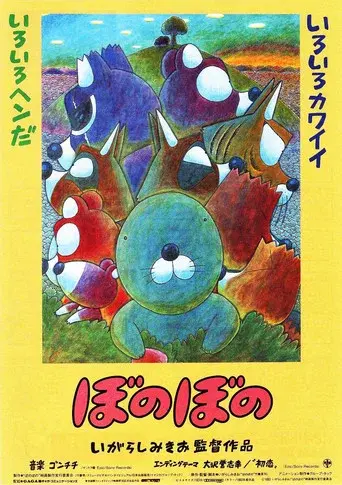
The first theatrical release, titled Bonobono, opened in theaters on 1993-11-13. The film has since been broadcast on domestic television in Japan, including on broadcast satellite channels such as NHK BS-2. The film has been released on VHS and DVD in Japan, including in a "no cut" edition.
