Overview
After the impressive Gulistan, Land of Roses (VdR 2016), the Kurdish filmmaker Zaynê Akyol returns with these conversations with imprisoned members of the Islamic State, alternating their words with aerial views of the countryside. An unexpected look at a far-reaching current political issue and a film whose subject matter and rhythm create an impressive cinematic object.
Key Film Crew
Production Stats
You May Also Like

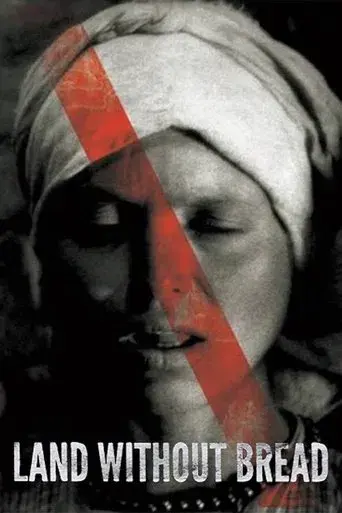
An exploration —manipulated and staged— of life in Las Hurdes, in the province of Cáceres, in Extremadura, Spain, as it was in 1932. Insalubrity, misery and lack of opportunities provoke the emigration of young people and the solitude of those who remain in the desolation of one of the poorest and least developed Spanish regions at that time.
Land Without Bread
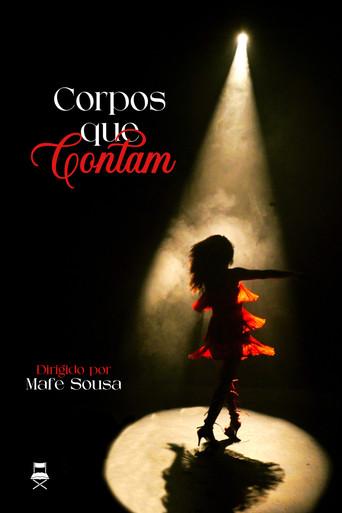
Samba, Popping, and Jazz. Through these dance styles and documentary interviews, Bodies That Tell Stories seeks to discuss the standardization and whitening of dances that had their roots in Black people.
Corpos que Contam
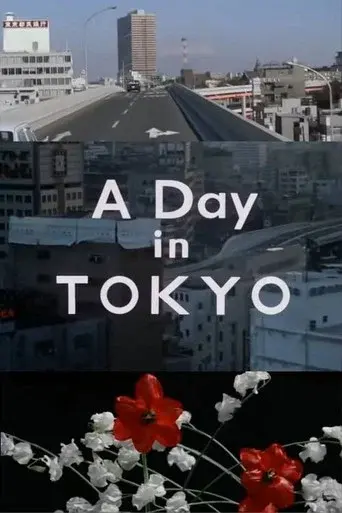
A Day in TOKYO in 1968, Nostalgic bygone era. Planned by Japan National Tourism Organization. Produced by Koga Production. This film was produced to explain Tokyo for foreign tourists.
A Day in Tokyo
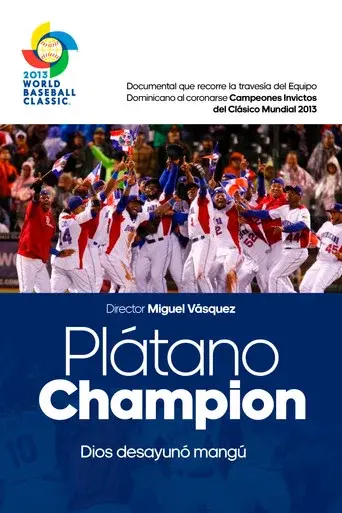
A summary of the Dominican Republic's undefeated championship run in the 2013 World Baseball Classic.
Plátano Champion


A documentary about the horrific and destructive war that is currently taking place in Ukraine. The film tells the true stories of Ukrainians who have been forced to flee their homes, lose loved ones, and live in fear for their lives. It is a story about the courage, strength of will, and resilience of the Ukrainian people.
To the Zero Line
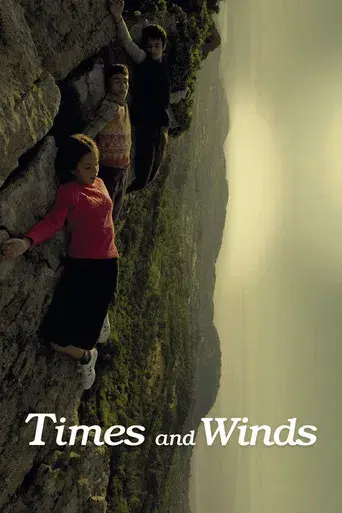
In a small, poor village leaning over high rocky mountains, the villagers are simple and diligent people who struggle to cope with a harsh nature. They earn their living off the earth and a few animals they feed. Fathers always prefer one of their sons. Mothers command their daughters ruthlessly. Ömer, the son of the imam, wishes hopelessly for the death of his father. When he understands that wishful thinking does not have any concrete results, he begins to search for childish ways to kill his father. Yakup is in love with his teacher, and one day after seeing his father spying on the teacher he dreams too, like Ömer, of killing his father. Yıldız studies and tries to manage the household chores imposed by her mother. She learns with irritation about the secrets of the relationship between men and women.
Times and Winds


In 1937, tens of thousands of Haitians and Dominicans of Haitian descent were exterminated by the Dominican army, on the basis of anti-black racism. Fast-forward to 2013, the Dominican Republic's Supreme Court stripped the citizenship of anyone with Haitian parents, retroactive to 1929, rendering more than 200,000 people stateless. Elena, the young protagonist of the film, and her family stand to lose their legal residency in the Dominican Republic if they don't manage to get their documents in time. Negotiating a mountain of opaque bureaucratic processes and a racist, hostile society around, Elena becomes the face of the struggle to remain in a country built on the labor of her father and forefathers.
Elena
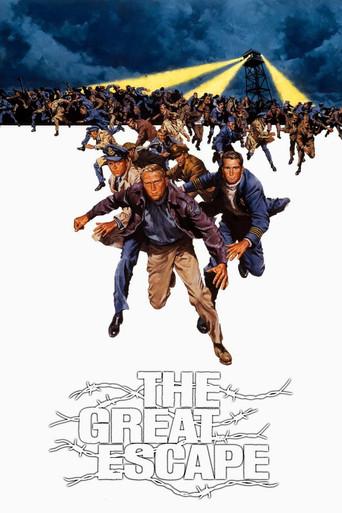
The Nazis, exasperated at the number of escapes from their prison camps by a relatively small number of Allied prisoners, relocate them to a high-security 'escape-proof' camp to sit out the remainder of the war. Undaunted, the prisoners plan one of the most ambitious escape attempts of World War II. Based on a true story.
The Great Escape
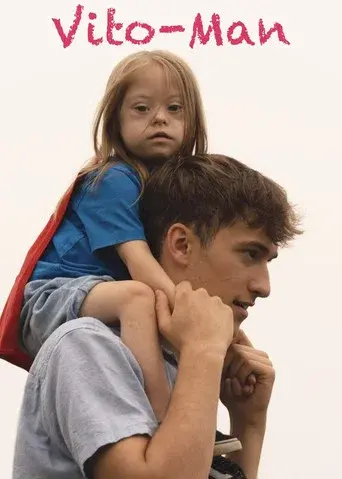
Vito is a sweet little boy with Down syndrome, and this short documentary puts his energetic, jolly personality on full display as he interacts with his loving family. By showing Vito’s dignity and inherent value, Vito-Man tackles the difficult conversation that is the eradication of people with Down syndrome, proving that an extra chromosome should not be a death sentence.
Vito-Man

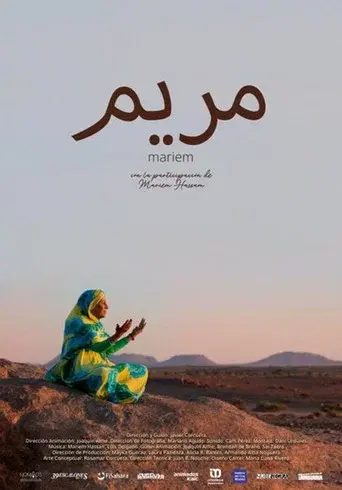
Mariem Hassan, Sahrawi refugee, composer and Western Sahara's most emblematic singer, died of cancer in 2015. Soon before her passing, Mariem returned to the liberated territories of her homeland, where she had spent her childhood. There, she told us her story and sang for the last time. This film pays tribute to her last testimony and her art.