Nos utopies communautaires
Overview
After May 1968, they experimented with communities, squats or free love, with the hope of real change. Today, at retirement age, they live in new places and promote ways of living better and growing old together. What if they were right, these former protesters whose utopias have been muted by triumphant individualism?
Key Film Crew
Production Stats
You May Also Like
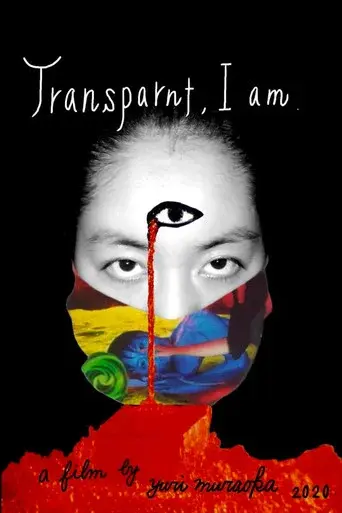
In the year 2020, when the world was forced to ‘change’, I wanted to confirm what changed and what did not change in me. The white mask I wore became the screen projecting my past. My family is sometimes hurt, but support me as I suffer from schizophrenia. We live today while looking for the answer to ‘Who are we?’
Transparent, I am.
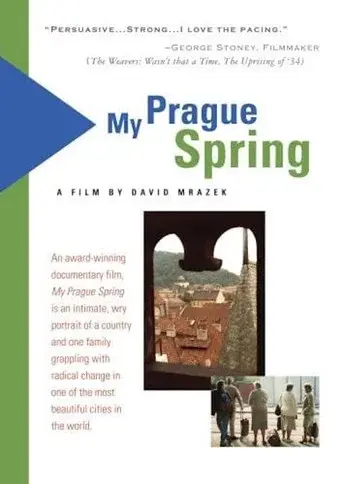
In its "velvet revolution" of 1989, the people of Czechoslovakia toppled its communist dictatorship and embraced democracy and capitalism. By January 1993, the country had peacefully split in two. In the early 1990s, thousands of American college graduates began flocking to Prague, where they could postpone entering the "real world," and live cheaply in a beautiful undiscovered European city. Throughout that decade more and more tourists crossed the statue-lined Charles Bridge in search of old world beauty previously hidden by communist isolation. But what of the people who cross the Charles Bridge on their way to work every morning? Who are the Czechs? What is their history? What is their future? My Prague Spring is an award-winning film that vividly humanizes a resilient people who have survived a tumultuous history. In the spring of 1990, a Czech-American filmmaker spent four months living with his Czech relatives, and opened an intimate window into an uncertain world.
My Prague Spring
Eldar Ryazanov reads his poetry. An introspective movie on his multifaceted work.
The Music of Life
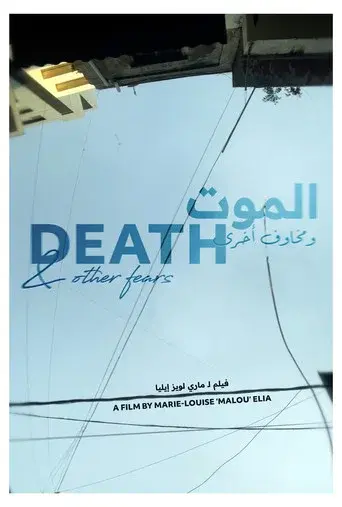
A short film that navigates the filmmaker's intimate journey with death and other fears. Through the filmmaker’s inner monologue, the film explores the universal struggle with mortality.
Death & Other Fears

During the turbulent sixties, there was a safe haven from the chaos - a hippie treehouse village on a Kauai beach.
Taylor Camp

Four lucid grandmothers tell their story forgotten by history: the militancy and resistance of the young women of the leftist youth against the dictatorship of Marcos Pérez Jiménez.
The Girls
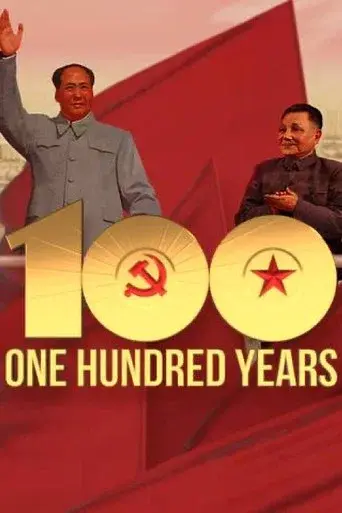
As the Communist Party of China celebrates its 100th anniversary, this documentary looks back at the party’s history, from the 1920’s, to the Civil War, the Great Leap Forward, the Great Famine, the Cultural Revolution and the reforms by Mao Zedong and Deng Xiaoping. Did the Great Famine cost more than 15 million lives? How does the Cultural Revolution continue to shape Chinese politics today? What was capitalism like after Mao’s death? Through rare and never-before-seen historical footage, expert interviews and eyewitness accounts of the Great Famine, Tiananmen incident, and the Cultural Revolution, get to know how one party has so profoundly shaped China.
100 Years

Starting in 1881 this film shows the personal battle between Lenin's Ulyanov family and the royal Romanovs that eventually led to the Russian revolution.
The Russian Revolution

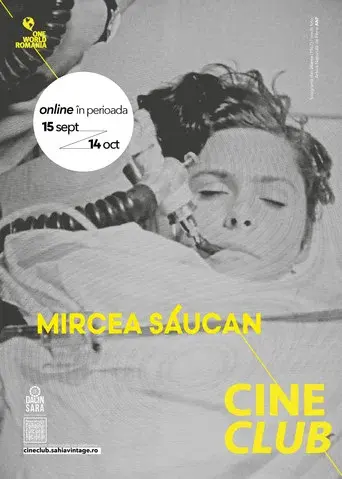
A more experimental aproach to labor protection films. In the line of Săucan's style, the soundtrack is as important as the image, the threatening music, full of shrillness, composed by Ion Dumitrescu potentiating the visual construction that mixes - in a montage reminiscent of the Soviet avant-garde school of the 1920s - all kinds of shooting techniques and frame combinations.
Open files

The hippie movement that captivated hundreds of thousands of young people in the West had a profound impact on the other side of the Iron Curtain. Within the Soviet system, a colorful crowd of artists, musicians, freaks, vagabonds and other long-haired drop-outs created their own system, which connected those who believed in peace, love, and freedom for their bodies and souls. More than 40 years later, a group of eccentric hippies from Estonia take a road trip to Moscow where the hippies still gather annually on the 1st of June for celebration that is related to the tragic event in 1971, when thousands of Soviet hippies were arrested by the KGB. The journey through time and dimensions goes deep into the psychedelic underground world in which these people strived for freedom.
Soviet Hippies

Filmmaker Erin Hobden travels back to her home town to explore her father's documenting of her childhood.
Looking Back

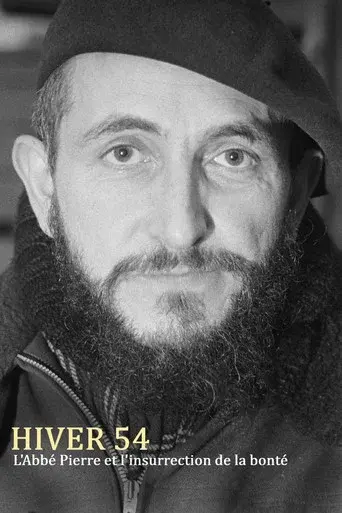

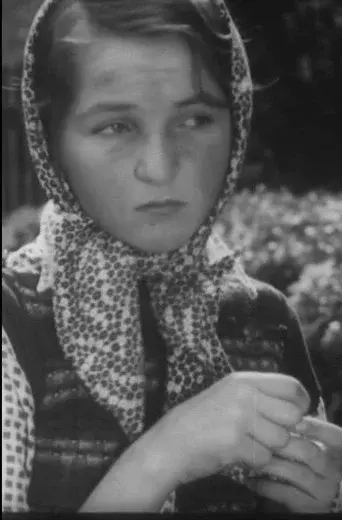
The film's protagonists are the orphaned children taken into custody by the state and institutionalized at Children's House no. 6 from Bucharest. For Mészáros, the concern for the situation of children left orphaned during the Second World War is autobiographical: the director directly experienced the absence of parents in her own childhood.
Let All Children Smile

At the beginning of the 70s, Sahia Studio produced a number of social investigations commissioned by the Central Committee of the Romanian Communist Party, intended to expose the so-called "social parasitism". The decision was taken after the theses of July 1971, which provide that "one of the main objectives of political work, especially among the youth, is the firm fight against the tendencies of parasitism, of an easy life, without work, the cultivation of responsibility and the duty to work , in the service of the country, the people, the socialist society". The most famous films, made with the competition of the Ministry of the Interior and the Ministry of Justice, are Să treacă vara and Iarna unor pierde vară