
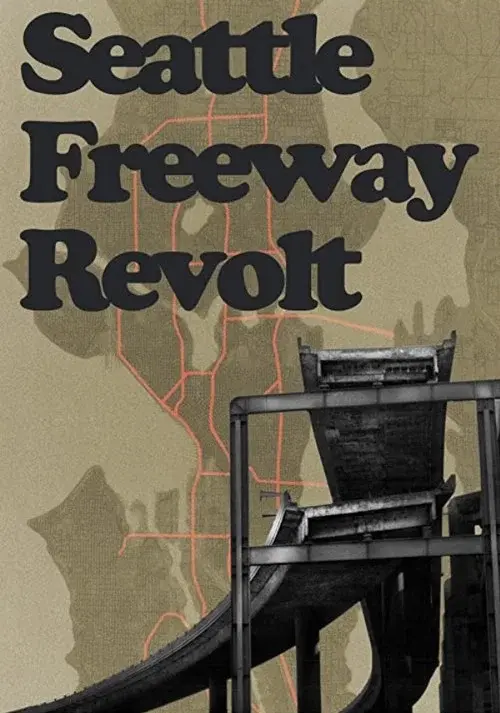
Seattle Freeway Revolt
Overview
In the 1950s, Seattle had plans to build one of the densest networks of freeways in the world. It would have displaced thousands, especially the poor and people of color. Over the next two decades, a broad coalition of communities came together and halted these plans. Testimonies from that era are juxtaposed with interviews of activists who participated in the revolt, giving a picture of what Seattle could have been had the people not stood up to the highway lobby and their representatives.
Top Cast

Frank Chopp
Self
Larry Gossett
Self
Key Film Crew
Production Stats
You May Also Like


Peter Watkins' global look at the impact of military use of nuclear technology and people's perception of it, as well as a meditation on the inherent bias of the media, and documentaries themselves.
The Journey
An exploration —manipulated and staged— of life in Las Hurdes, in the province of Cáceres, in Extremadura, Spain, as it was in 1932. Insalubrity, misery and lack of opportunities provoke the emigration of young people and the solitude of those who remain in the desolation of one of the poorest and least developed Spanish regions at that time.
Land Without Bread

Megacities is a documentary about the slums of four different metropolitan cities.
Megacities

Filmmaker Malini Schueller examines police brutality against minorities and the dangers of overmilitarized campuses.
In His Own Home
I was about seven years old the first time someone called me \"black\" on the street. I turned around to see who they were talking to, until I realized they were talking to me.
Negra

Cranes and Voices follows, on one side, people who hear voices and share their daily lives, and on the other, a collective of tenants who investigate their neighbourhood through its noises, its vibrations and its construction sites. The film moves through apartments, streets, meetings and moments of sound creation, where voices, urban noises and recorded materials are transformed into collective sound compositions and spaces for exchange. Sound appears here as an ambivalent force, at once invasive and generative, shaping the way we inhabit the city, other people and ourselves. Cranes and Voices invites us to pay attention to these singular listening experiences, to hear what they reveal about the housing crisis, about how mental health is viewed and about the ways we organise our shared spaces.
Cranes and Voices
People are interviewed in Dresden, Ontario, to sample local attitudes towards racial discrimination against black people that brought this town into the news. After a round-up of the opinions of individual citizens, white and black, commentator Gordon Burwash joins two discussion panels, presenting opposite points of view. The rights and wrongs of the quarrel are left for the audience to decide.
Dresden Story
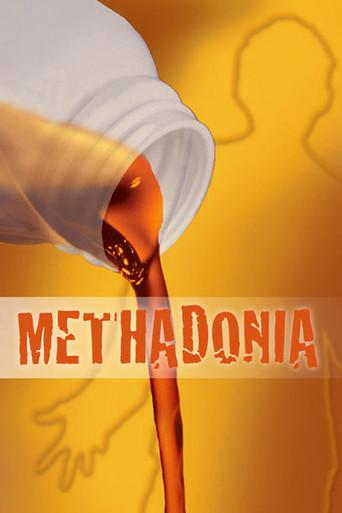
Shot over the course of 18 months in New York City's Lower East Side, METHADONIA sheds light on the inherent flaws of legal methadone treatments for heroin addiction by profiling eight addicts, in various stages of recovery and relapse, who attend the New York Center for Addiction Treatment Services (NYCATS).
Methadonia
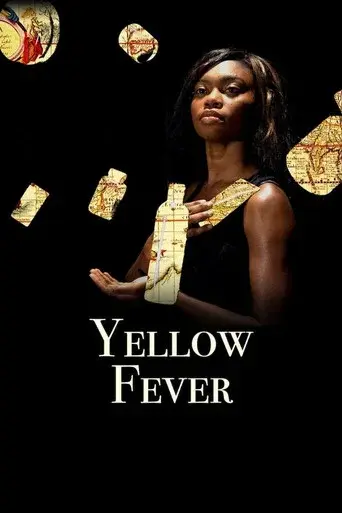
What does beauty look like? In this award-winning short, Kenyan filmmaker Ng’endo Mukii combines animation, performance, and experimental techniques to create a visually arresting and psychologically penetrating exploration of the insidious impact of Western beauty standards and media-created ideals on African women’s perceptions of themselves. From hair-straightening to skin-lightening, YELLOW FEVER unpacks the cultural and historical forces that have long made Black women uncomfortable, literally, in their own skin.
Yellow Fever

Recy Taylor, a 24-year-old black mother and sharecropper, was gang raped by six white boys in 1944 Alabama. Common in Jim Crow South, few women spoke up in fear for their lives. Not Recy Taylor, who bravely identified her rapists. The NAACP sent its chief rape investigator Rosa Parks, who rallied support and triggered an unprecedented outcry for justice. The film exposes a legacy of physical abuse of black women and reveals Rosa Parks’ intimate role in Recy Taylor’s story.
The Rape of Recy Taylor

February 1980, young Abdelkader Lareiche was shot in the head by a building guard in a housing estate in Vitry. In a context marked by several racist crimes and a policy of security repression, his friends are mobilizing around the “Rock Against Police” movement. Forty years after the events, Philomène sets out to meet the activists and actors of this movement. “Memory is not commemoration, it is the living part of History” confides Mounsi about the massacre of October 17, 1961. This is the heart of Nabil Djedouani’s project, to restore a moment in a living way. of the militant history of the suburbs, registered here in the Rock Against Police movement, but which cannot be restricted to it. A thread stretched from the 1980s to today, which continues to “analyze the collective and murderous unconscious of the French State” and the ways of resisting and revolting.
Rock Against Police
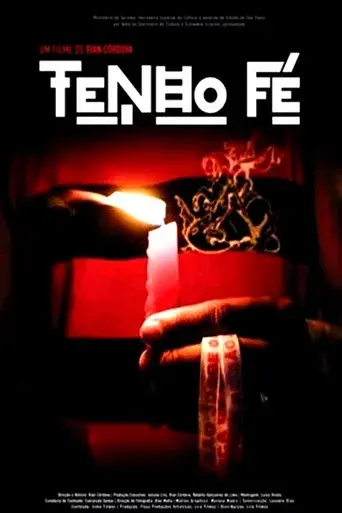
This documentary accompanies the journey of artists who exalt and celebrate ancestry and the orishas in their work. It also offers a manifesto against one of the biggest problems facing Brazil: religious racism. The feature brings together stories from music, theater, fashion, dance and the visual arts to promote reflection on the power and importance of black representation, art and diversity