Overview
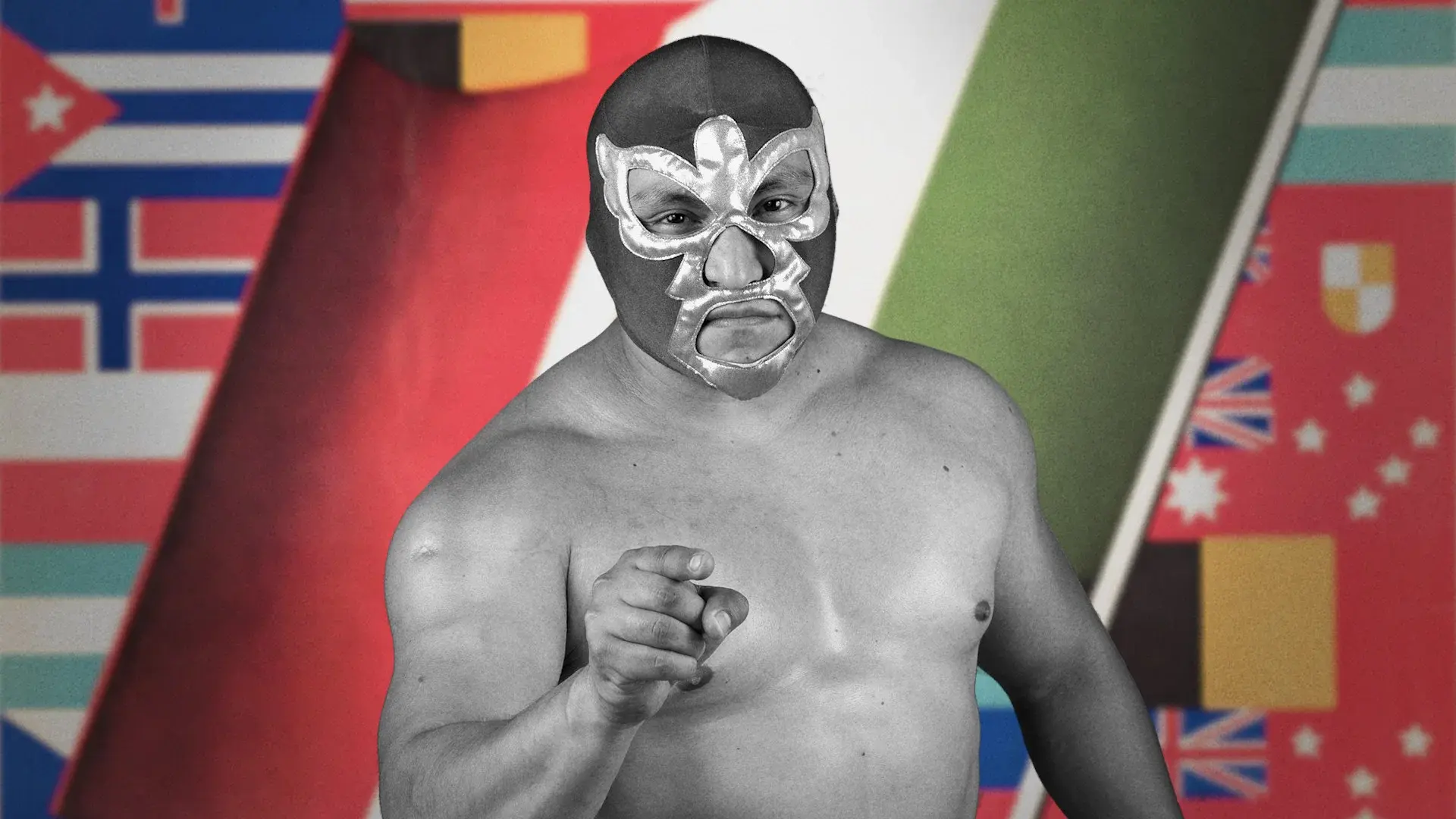
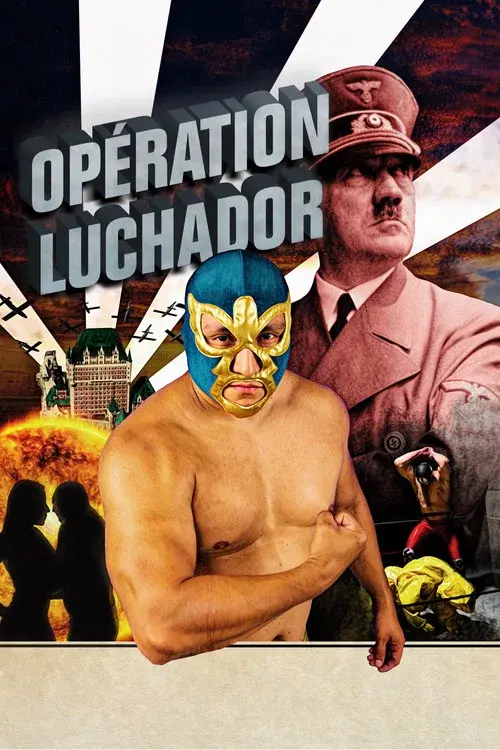
At the dawn of the Second World War, Nazism was extending its grip over South America. The Golden Angel, a Mexican masked wrestler, was recruited by the Americans in order to flush out the spies of the Third Reich and put a stop to their nefarious schemes. The Golden Angel’s assignments, still classified Top Secret and therefore absent from the history books, even brought him to a pivotal confrontation with Hitler himself. Inspired by the spirit of classic mockumentaries such as Woody Allen’s ZELIG and Peter Jackson’s FORGOTTEN SILVER, the film takes viewers on a unique version of the fight against the Third Reich, joyfully erasing the border between fiction and reality for the viewers who, taken on this unique ride, can’t help but ask: did this really happen?
Top Cast

Carlos Valderrama
L'Ange Doré
Lawrence Brown
Lawrence Larson
Alain Essiembre
Blue Tornado
Caroline Gauthier
Caroline Dorado
Patrice Joly
Monk
Johnny North
L'Aigle du Reich
Michel T. Prévost
Bernard Delpont
Rodrigo Olguin Salas
Self

Marie-Ève Trudel
Marie-Ève Latour
Martin Vallée
Yves Sinclair
Key Film Crew
Production Stats
You May Also Like
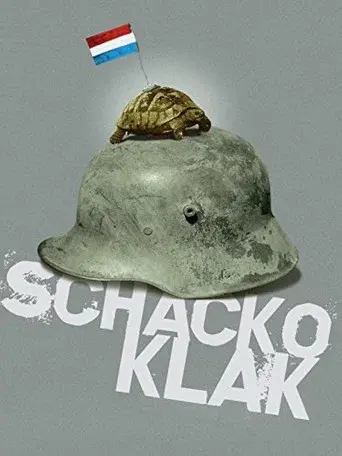
The title of the film, set in Luxembourg in 1942, during the Nazi occupation, amalgamates the words Schacko (helmet) and chapeau claque (opera hat). The village, in which it is set, has not yet been feeling the effects of the war at this point.
Schacko Klak


A mockumentary on the phenomenon of Western backpackers travelling in Singapore and Southeast Asia during the 1980s. Featuring real interviews and interweaving staged sequences simulating a travel infomercial, the video offers a light-hearted look at the clash of cultures. The film was produced by Singaporean actor Choo Hoh Yim (better known as Zhu Houren) in 1983 when he had just returned to Singapore from Hong Kong, where he was a script supervisor. Choo was working as a social worker and had intended to test out his new filming equipment. With a colleague, they headed to the streets to capture some images that eventually evolved into the idea of making the documentary.
Traveller
The Story of a Japanese-Canadian woman who finds friendship after her family is interned to a small town during World War II.
The War Between Us
This Crime Does Not Pay series entry dramatizes the idea that during wartime, people should not discuss anything related to their work when in public. A casual remark can be overheard by an enemy agent and used to sabotage the war effort. In this short, the story involves shipments of parts to a defense plant.
Don't Talk

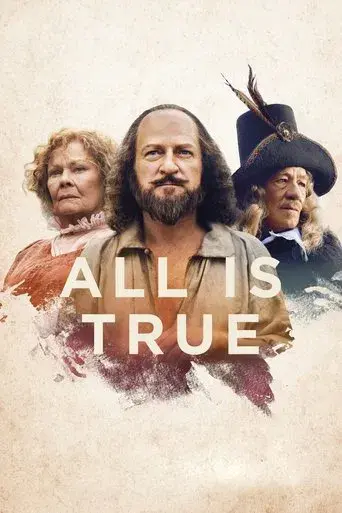
London, June 29th, 1613. The Globe Theater, ran by the famous playwright William Shakespeare, accidentally burns to ashes. Seriously affected, he stops writing and returns to his hometown, where his wife Anne and daughters Judith and Susanna get surprised to hear he intends to stay there definitively, after two decades working in the capital, neglecting his sincere affections for them.
All Is True
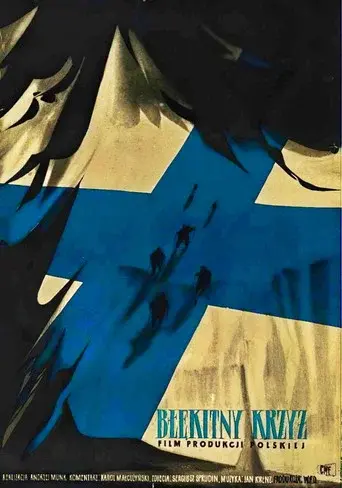
The final film produced by Warsaw’s Documentary Film Studio is an epic re-enactment of a treacherous mission by the Voluntary Tatra Mountain Rescue Service to aid colleagues stranded behind enemy lines at the close of World War II (several real participants feature in the film). Based on a short story about the rescue by Adam Liberak, Munk’s final “documentary” is also arguably his first major exercise in the craft of narrative filmmaking.
Men of the Blue Cross
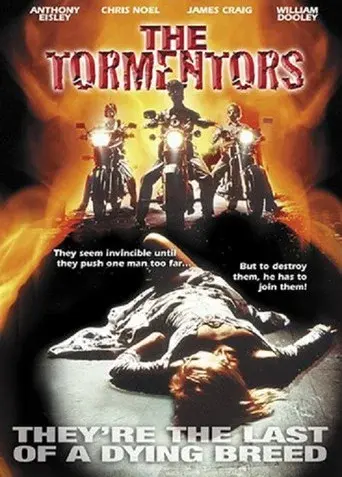
A wild gang of bikers who shamelessly idolize the Nazis, brutalizes anyone or anything that stands in their way. Dealing in illegal weapons, assassinations, power and violence, they seem invincible until they push one man too far... When his girlfriend is savagely murdered, he declares a personal war...but to destroy them, he has to join them!
The Tormentors
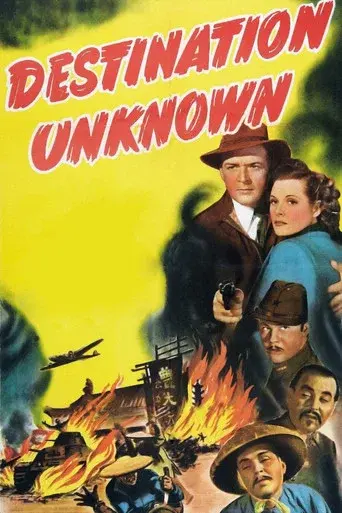
Foreign spies and police pursue an attractive Dutch spy throughout Peking.
Destination Unknown
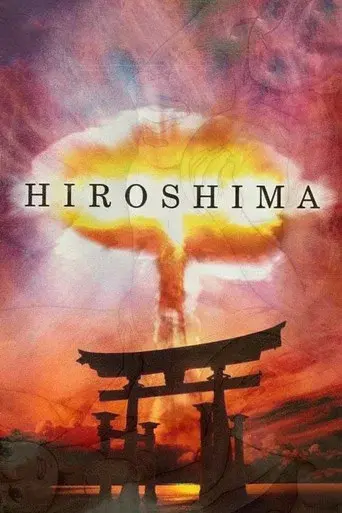
Hiroshima is a 1995 Japanese / Canadian film directed by Koreyoshi Kurahara and Roger Spottiswoode about the decision-making processes that led to the dropping of the atomic bombs by the United States on the Japanese cities of Hiroshima and Nagasaki toward the end of World War II. Except as actors, no Americans took part in the production. The three-hour film was made for television and evidently had no theatrical release, but is available on DVD for home viewing. A combination of dramatisation, historical footage, and eyewitness interviews, the film alternates between documentary footage and the dramatic recreations. Both the dramatisations and most of the original footage are presented as sepia-toned images, serving to blur the distinction between them. The languages are English and Japanese, with subtitles, and the actors are largely Canadian and Japanese.
Hiroshima

In autumn 1941, Reich Protector Reinhard Heydrich’s brutal rule in occupied Bohemia and Moravia fuels Czech resistance. In spring 1942, the government-in-exile sends trained paratroopers led by Lt. Král on a mission to assassinate him. Masters Strnad and Vyskočil ambush Heydrich’s open Mercedes in Prague’s Libeň district, mortally wounding him despite a jammed submachine gun. Their success triggers harsh Nazi reprisals, mass executions, and an intense manhunt for the operatives.
Assassination
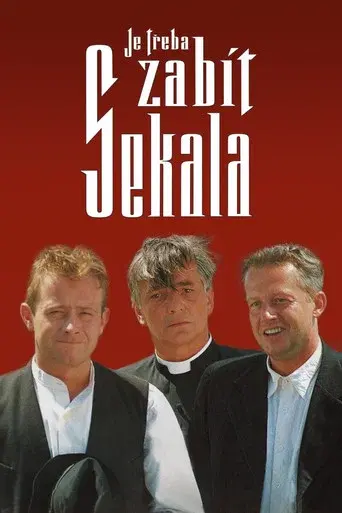
ComiBaran, a protestant blacksmith arrives in the little village of Lakotice to kill Sekal, a cruel Nazi collaborator.