
Light by Chance
Overview
Experimental short film playing with light and how it appears through reflections, lenses, and distortions
Key Film Crew
Production Stats
You May Also Like
Experimental, cinematic symphony of Granada, José Val del Omar's birthplace.
Water-Mirror of Granada
This exhibition focuses on Jonas Mekas’ 365 Day Project, a succession of films and videos in calendar form. Every day as of January 1st, 2007 and for an entire year, as indicated in the title, a large public (the artist's friends, as well as unknowns) were invited to view a diary of short films of various lengths (from one to twenty minutes) on the Internet. A movie was posted each day, adding to the previously posted pieces, resulting altogether in nearly thirty-eight hours of moving images.
365 Day Project
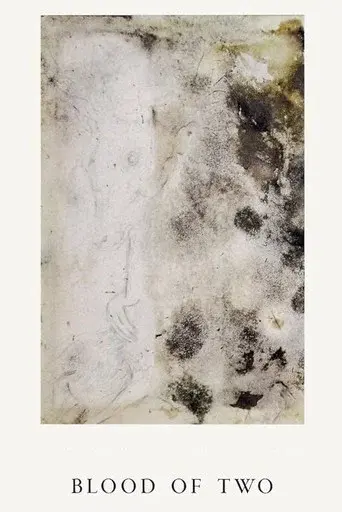
The first collaboration between Matthew Barney & Elizabeth Peyton, Blood of Two is a unique, site-specific work that draws its references from Hydra itself – the surrounding environment, animals, humans, and local traditions are all part of the project in equal measure. Blood of Two centers on the former function of the Slaughterhouse and the customs of Hydra to establish connections between paganism and religion, ancient and modern, the ritualistic and familiar. As much as its conflicted terms strive for balance and fusion, it is Blood of Two’s greater resistance to these impulses, its failure to surrender unconditionally to them that ultimately counts, as a network of overlaps and crisscrosses.
Blood of Two

Drama, from the Greek, to do, act, or perform. A composition in which a story is related by means of dialogue and action and is represented with accompanying gesture, costume and scenery, as in real life, a play. The simplest story; a cow in a field, a day passes, articulated by a sequence of simple actions. Another day passes and the actions only vary with the chance events that make one day different from any other. Between the days three traditional songs about work, love and death are sung. These are stories too, but of generalisation, metaphor and myth, whereas the cow's drama follows only the surface pattern of events, the specific.
The Cow's Drama


An experimental documentary about the street drag racing scene on Chicago’s Near West Side. This is a rambling, textured film about obsession. It is about the mythos of speed for its own sake, and it is about waiting. While waiting, The BLVD exposes community, inner-city landscapes and nomadic experiences of place. The film treats storytelling as a living medium for determining history. And it commands respect for those who transform cars, or anything else, through passion.
The BLVD
Life in a rural industrial town: a teenage boy, his family, friends and failed attempt at love are investigated through stark black-and-white photography and static long takes. Filmed in a fusion of authentic and staged documentation, with robotic performances by actors and non-actors, the piece meditates on the mundane existence of human and animal life.
Families
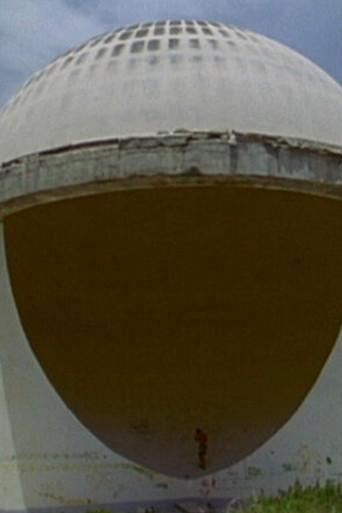
An early student collaboration and shot on 16mm in Sicily, this cycle of kinetic assemblages is accompanied by a soundtrack composed of improvised sounds recorded on location and then in Vancouver.
The Composition Kids
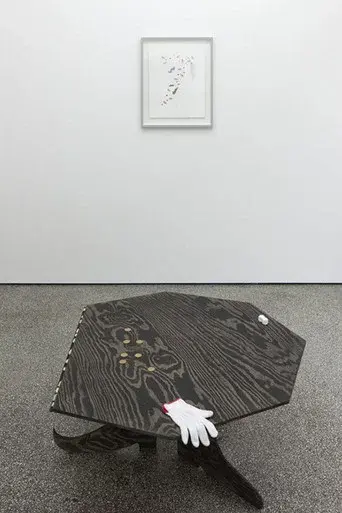

The second film to feature a cast of assisted readymade clock sculptures (after Irregular Time Signatures). Starring “Sublimation Clock”, “Litmus Clock”, “Writer’s Block”, “Atomizer”, and “The Crypt.” Prior to shooting Dailies, the film and these clock sculptures were exhibited together in a 2011 exhibition in Malmö.
Dailies

An unedited film documenting a rooftop sculpture garden cultivated over a summer in Vancouver. The sculptures come alive but the vegetables are apathetic.
Sculpture Garden

A miniature wrecking ball and accompanying mini brick wall to be destroyed; an incomplete puzzle of the Parthenon; homemade fake latex vomit containing plastic novelties, pieces of candy, knick knacks, and detritus from the artist’s studio; pennants made from packets and designer ziplock bags; and a mesh veil adorned with chewing gums. —Western Front
Escape Scenes
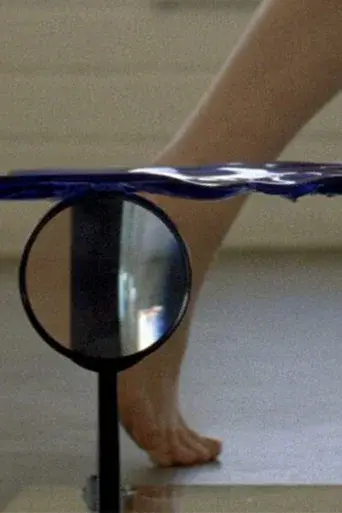
“Background actors” silently inhabit the roles of pedestrians or passersby. Like an exercise in walking meditation, the pedestrians trace a path that is unstable, full of distractions, thoughts, and emotions, crises of identity, anxiety, and restlessness. —Julia Feyrer
New Pedestrians
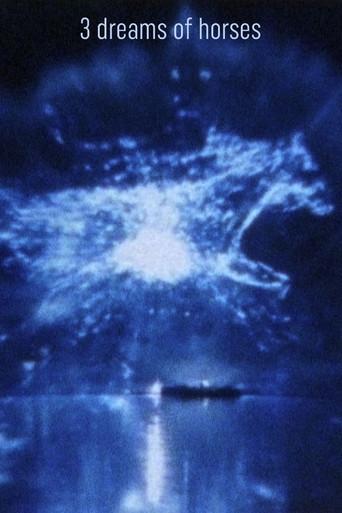
Film is made out of gelatin that comes from horses. They’re waiting to be slaughtered, so that pictures can be made. Many years ago we learned the language of our masters. Though we couldn’t help wondering why so few of you bothered to learn ours. Three scenes featuring horses, remembering Jacinto. The first is a daytime forest haunting that winds up at a carousel, the second a rainy street in Portugal, the finale a nighttime vigil of fire and water.
3 Dreams of Horses
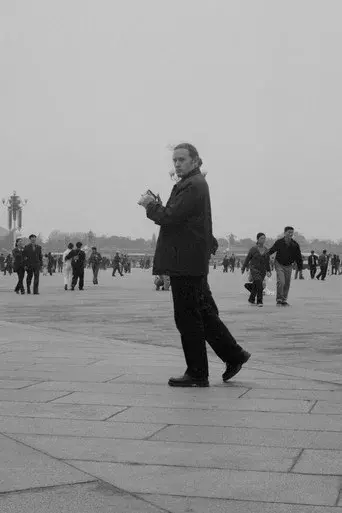
Stochastics investigates the possibility of making a primitive film, using a flea market Rolleiflex from the fifties, shooting on 120 (6 X 6) black and white film on which each roll takes twelve pictures.
