Donizetti: Lucia di Lammermoor
Overview
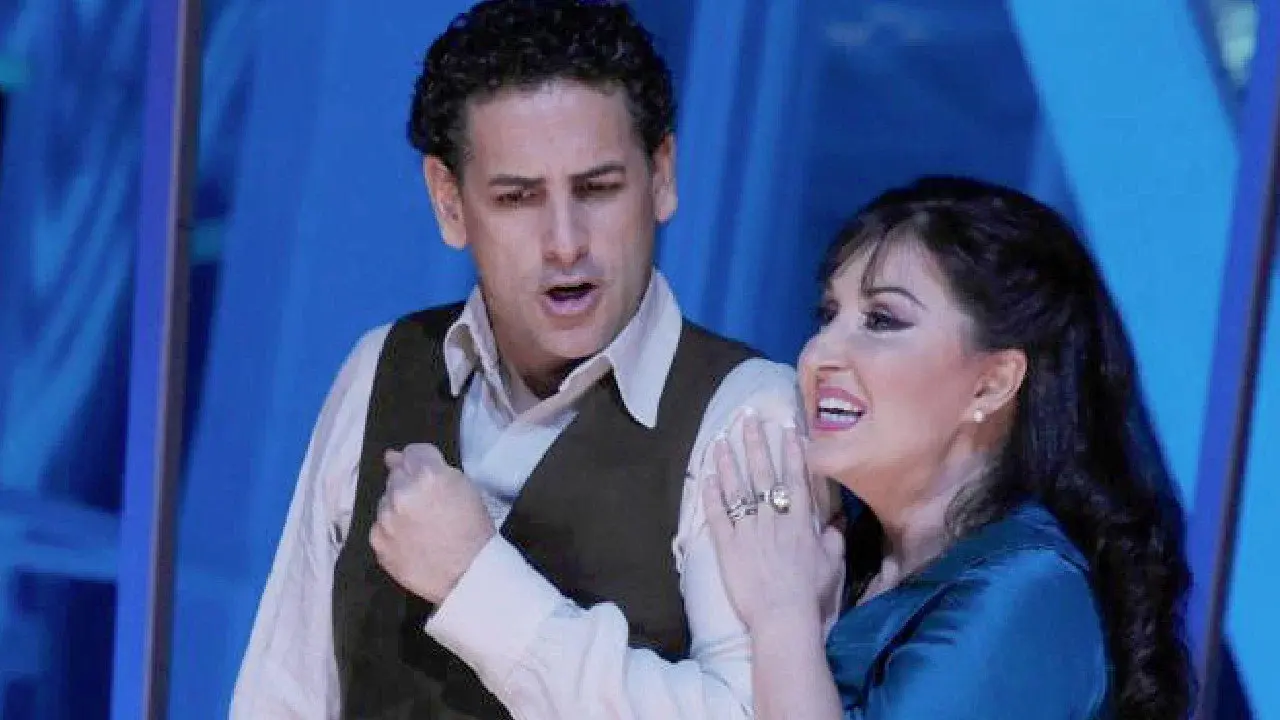
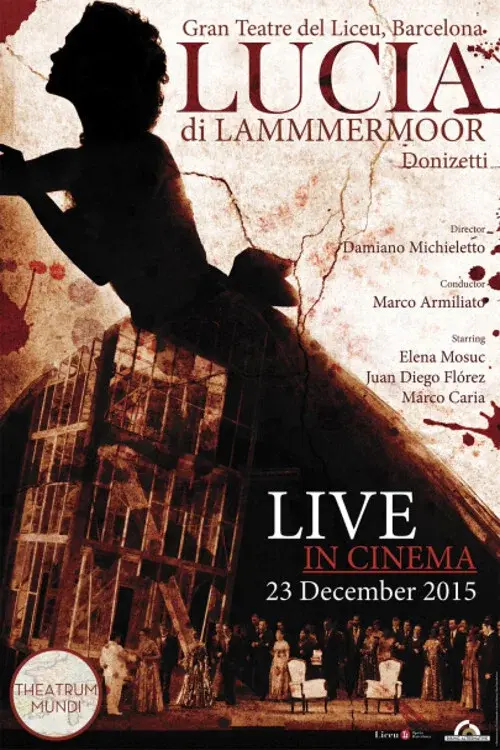
Lucia di Lammermoor, dramma tragico in three acts by Gaetano Donizetti (1797 - 1848). Libretto by Salvadore Cammarano, after Walter Scott's 'The Bride of Lammermoor'. First performance in Naples, Teatro San Carlo, 26 September 1835 Recording: December 23 2015 - Gran Teatre del Liceu | Barcelona Director: Fabrice Castanier Conductor: Marco Armiliato Orchestra & Chorus of the Gran Teatre del Liceu
Top Cast

Elena Mosuc
Lucia di Lammermoor
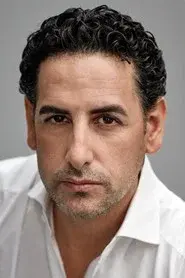
Juan Diego Flórez
Edgardo
Marco Caria
Enrico
Simón Orfila
Raimondo
Albert Casals
Arturo
Jorge Rodríguez-Norton
Normanno
Sandra Ferrández
Alisa
Key Film Crew
Production Stats
You May Also Like
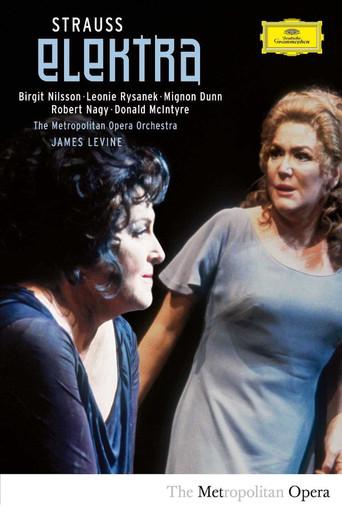
It's hard to imagine confirmed Straussians not wanting this starry Metropolitan Opera performance of Elektra. Strauss and his librettist, Hugo von Hofmannstahl, transformed Sophocles' take on Homer's tale into a harrowing opera noir. Elektra lives for one reason, to kill her mother, Klytämnestra, and her stepfather, Aegisth, the murderers of her father, Agamemnon. In contrast to Elektra's vengeful obsession, her sister Chrysothemis desires to get on with life. When their long-missing brother, Orestes, returns to do the deed, Elektra celebrates with a dance of death and, her sole purpose in life fulfilled, dies. Strauss joined the hermetic plot to music of the utmost opulence, violent and yearning by turns, evoking the cardinal principles of Greek tragedy - pity and terror.
Strauss: Elektra
In 1935, renowned Portuguese neurologist Egas Moniz visits psychiatrist Sobral Cid, trying to convince him to use his patients as subjects for an experimental treatment: frontal leukotomy. The film is a film adaptation of a scene from the play Brainland, which explores three key episodes in the history of 20th-century neuroscience. Each episode addresses dilemmas related to clinical ethics.
Brainland
The oratorio concerns the Christian martyr Theodora and her Christian-converted Roman lover, Didymus.
Theodora

Who loves whom in Così fan tutte, Mozart’s and Da Ponte’s cruelly comic reflection on desire, fidelity and betrayal? Or have the confusions to which the main characters subject one another ensured that in spite of the heartfelt love duets and superficially fleetfooted comedy nothing will work any longer and that a sense of emotional erosion has replaced true feelings? Così fan tutte is a timeless work full of questions that affect us all. The Academy Award-winning director Michael Haneke once said that he was merely being precise and did not want to distort reality. In only his second opera production after Don Giovanni in 2006, he presents what ARTE described as a “disillusioned vision of love in an ice-cold, realistic interpretation”.
Così fan tutte
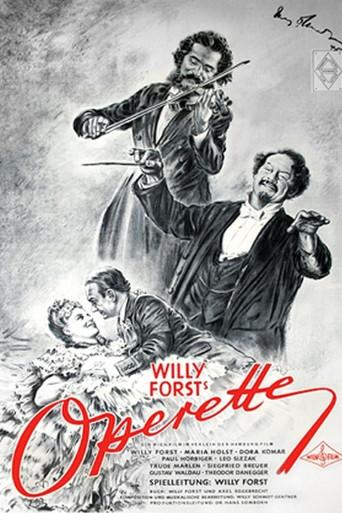
A musician is offered a job in Vienna as stage director, but his disagreements with the aristocratic opera manager end in abrupt firing in spite of a mutual attraction. He's quickly engaged by another theatre and becomes famous for his lavish stage productions and fine acting, which begins their golden age with Suppé and Strauss.
Operette

This filmed version of Strauss' shocker features Teresa Stratas as opera's most depraved teenager, and she's as perfect a Salome as one would ever hope to see or hear. Stratas inhabits the role, exploring the character's sensuousness as she vainly woos Jochanaan, her venomous hatred when she's rejected, the crazed look in her eyes when she demands his head--on a silver platter, no less. Such complete identification with a role, especially of a character so malignant helps make this 1974 Salome stand out among the many fine DVDs of the opera.
Salome
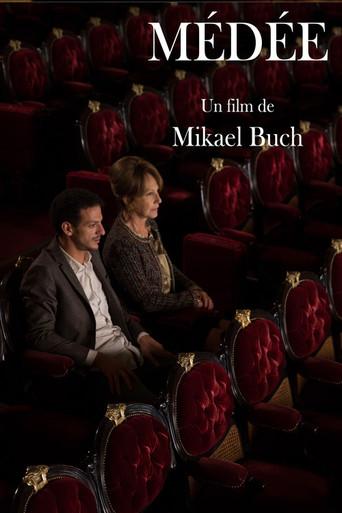
A lonely mother and her son go to the opera where a performance of Cherubini’s opera Medea is given. It is the mother’s birthday and she wanted to surprise her son by inviting him to the opera. But, the son’s plan were different and he is quite upset about it. His mother tries to break the silent barrier behind which he hides. A semblance of discussion begins, not without humour. Tension is present but, as the performance goes on, both find themselves astounded, captured, alone in the opera house.
Médée


"The Queen of Spades" is considered Tchaikovsky's best creation by the world-famous conductor, People's Artist of the USSR Vladimir Ivanovich Fedoseev. He took over the leadership of the musical process of recreating the production at Helikon Opera. The original reading, modern stage language, love for Tchaikovsky's music, which became the hallmarks of Helikon's "Queen of Spades," are preserved in the new version. To this were added the thoughtful gaze of maestro Fedoseev, the stunning stage capabilities of the new hall and the artistic talent of the Helikon troupe.
The Queen of Spades
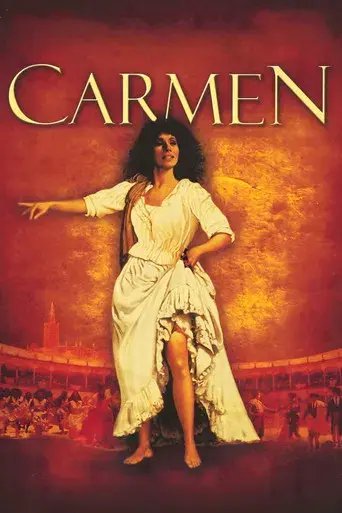
In the early 19th century, in Seville and the surrounding area, Carmen seduces the sergeant Don José, who deserts the army to be with her. But the beautiful gypsy falls in love with the bullfighter Escamillo, much to Don José’s despair.
Carmen
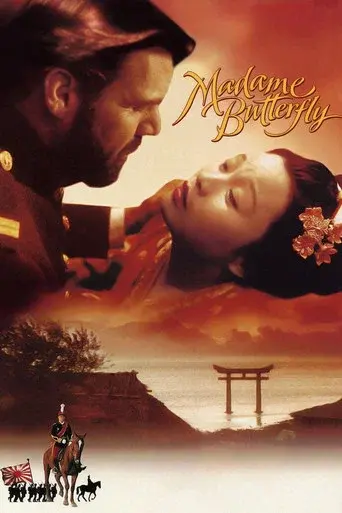
Cio-Cio-San, a young Japanese geisha, seeks to fulfill her dreams through marriage to an American naval officer. Her faith in their future is shattered by his empty vows and the loss she endures touches something deep within us all.
Madame Butterfly

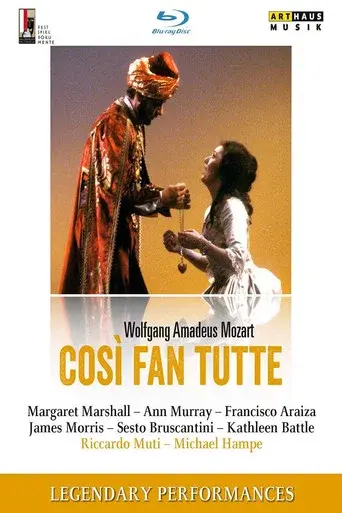
An excellent performance of this delightful opera. The principals are superb, especially the sisters. Bruscantini as Don Alfonso is past his prime, but he knows and understands the role inside out, so one does not even notice his vocal limitations. Araiza is in top form as Ferrando, and Morris makes virile Guglielmo. The only disappointment is Battle as Despina. Unlike her partners, she does not have feel for the Mozart ensemble, and her vocal mannerisms are totally unbecoming. How the producers allowed that to happen is a mystery. Muti's conducting is terrific, much better than on his La Scala video, where he is uninvolved.
Cosi Fan Tutte

With his affinity for the 16th-century sculptor Benvenuto Cellini's advocacy of artistic and personal freedom, Hector Berlioz went straight for the grand gesture with his first completed opera. Returning to it years after initial production debacles, Berlioz stated that he would 'never again find such verve and Cellinian impetuosity, nor such a variety of ideas.' The plot revolves around Cellini's wooing of Teresa, a match frustrated at every opportunity by his rival, the cowardly Fieramosca. Benvenuto Cellini is a pithy work combining romance, excitement, violence, comedy and spectacle; the perfect stage for Terry Gilliam's stylishly colorful and larger than life directing.
Benvenuto Cellini

Set in a nightmarish Bardo, a place between death and rebirth, a tormented writer faces down demons of his own making. Forced to confront the darkest moment in his life, he mines fractured and repressed memories for a way out. A woman is at the center of all the writer’s afterlife encounters. She is the subject of his life’s greatest regret, and she materializes everywhere in this Otherworld. The writer cannot detach any thoughts of his life from her.
Black Lodge
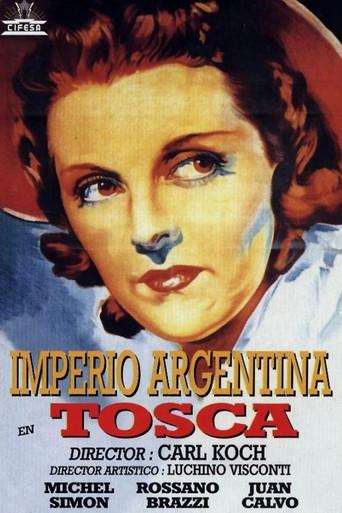
Non-musical account of Puccini's opera: Tosca and Cavaradossi are in love, but the tyrant Scarpia desires Tosca and oppresses Cavaradossi who is fighting for freedom.