Windscale 1957: The Nuclear Winter
Overview
In October 1957, one of the Windscale nuclear reactors caught fire. It was the world's first nuclear accident, attributed to the rush to build atomic weapons. This programme highlights the mistakes leading to a nuclear event which, 40 years on, still takes second place only to Chernobyl.
Top Cast

Tim Pigott-Smith
Self - Narrator (voice)
Key Film Crew
Production Stats
You May Also Like

Peter Watkins' global look at the impact of military use of nuclear technology and people's perception of it, as well as a meditation on the inherent bias of the media, and documentaries themselves.
The Journey


In a quiet forest, a sign warns of radiation hazard. “Is this the past or the future?” muses the masked figure who appears like a kind of ghost in nuclear disaster areas. At a time when nuclear power may be re-emerging as an alternative to fossil fuels, this calmly observed and compelling tour takes us to places that may serve as a warning.
I'm So Sorry

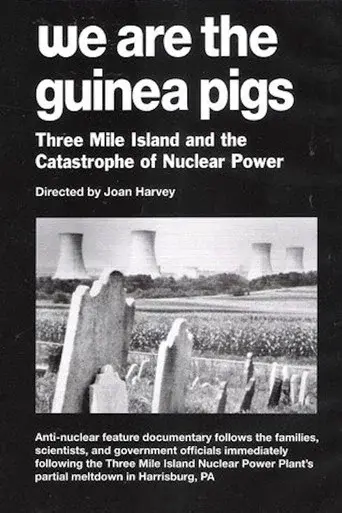
Farmers and parents of young children, who live in the Harrisburg, Pa., area, discuss their fears of radioactive contamination from the Three Mile Island nuclear reactor accident in 1979. Scientists and physicians also expound on the lethal dangers of nuclear power and the risks in containment processes.
We Are the Guinea Pigs


"Alone in Fukushima" is a feature film documentary about Naoto Matsumura who remained in the nuclear zone with animals in Fukushima.
Alone in Fukushima

“Alone Again is Fukushima” is the long-awaited sequel to "Alone in Fukushima" (2015), which followed Naoto Matsumura, a man who remained in the nuclear zone in Fukushima to tend animals. The film has followed Naoto for nearly a decade and portrays how Naoto and the animals survived the residents' return to the town, Tokyo Olympics, and COVID-19. In the course of 10 years, many animals and humans were born and died. But Naoto remained in the town and took care of the animals. He raised chickens and kept bees in order to survive. In 2017, Tomioka became the place where people can come back to live, however most young people didn’t return. There is no end in sight for the nuclear crisis in Fukushima. The contaminated water is overflowing and will be pumped out to the ocean soon. Meanwhile the government is trying to restart the nuclear reactors all over the country. The film will give us a chance to reflect on this situation by looking at how Naoto and animals survive in Fukushima.
Alone Again in Fukushima
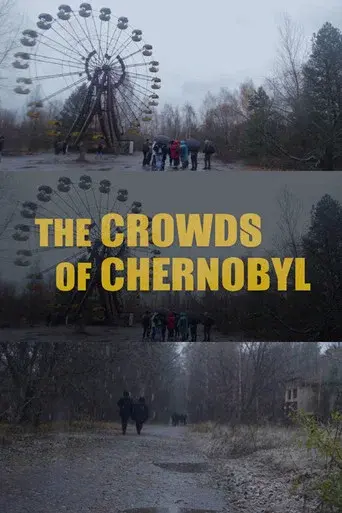
The Crowds of Chernobyl explores the reasons behind people's fascination with the (arguably) most famous exclusion zone in the world, the Chernobyl Exclusion Zone. The film attempts to explain the drive behind the 'dark tourism' industry that has blossomed in the nuclear wasteland since 2011, when the site was opened up for tourists. As the interviews from a wide of people unravel why some (including the interviewees) might even make the zone a permanent part of their life; the haunting and provoking visuals invite the viewer to make up their own mind.
The Crowds of Chernobyl




We've all heard of the atomic bomb, but in the late 1950s, an idea was conceived of a bomb which would maximize damage to people, but minimize damage to buildings and vital infrastructure: perfect for an occupying army. This is the story of a man and his bomb: a melding of world events and scientific discovery inspire the neutron bomb, one of the most hated nuclear weapons ever invented.
The Neutron Bomb


Drawing upon eye-witness accounts from survivors and participants in the bombing of Hiroshima, this programme shows how both Japan and the United States are still facing enormous problems in coming to terms with the legacy of that fateful August day.