

My Beloved Country
Overview
A provocative look from within at Afrikaner extremists who, in 1991, clung to the belief that they were the chosen ‘super race’ of Africa. With the demise of white rule, many of these Boers lived in fear. Some had banded into paramilitary groups, such as Eugene Terre’Blanche’s Afrikaner Resistance Movement, which claimed wide support within the South African army and police. They were preparing for an armed showdown with the new government.
Top Cast

Eugène Terre'Blanche
Self
Key Film Crew
Production Stats
You May Also Like
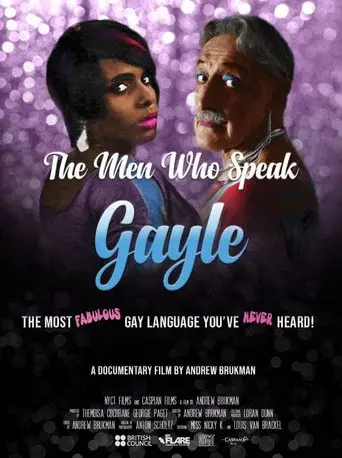
Entertainer Nathan Kennedy, who speaks Gayle, the South African cant that flourished during the Apartheid era, meets Louis van Brakel, a much older user of the secret language, and interviews him on stage at the Showroom, Prince Albert.
The Men Who Speak Gayle
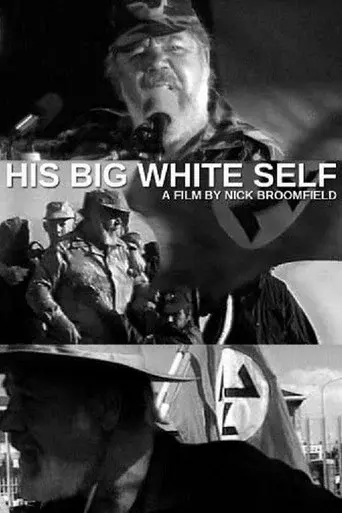
A follow-up to "The Leader, His Driver, and the Driver's Wife", about the history of the far-right group AWB and its leader Eugene Terre'Blanche.
His Big White Self

In Freedom Park, a squatter settlement near the platinum mines in SA, a network of former sex workers create Tapologo. They learn to be Home Based Carers for their community, transforming degradation into solidarity and squalor into hope. Catholic Bishop Kevin Dowling participates in Tapologo and raises doubts on the official doctrine of the Catholic Church regarding AIDS and sexuality in the African context.
Tapologo
Nova and National Geographic present exclusive access to an astounding discovery of ancient fossil human ancestors.
Dawn of Humanity

Shot in New York, Cape Town, St Helena and the Atlantic Ocean, Sathima's Windsong, is a lyrical portrait of South African jazz singer, Sathima Bea Benjamin. In her Chelsea Hotel apartment, home for over thirty years, she patches together her journeys, from apartheid's 'pattern of brokenness', to a chance meeting and recording with Duke Ellington in Paris, to making a life in New York. The narrative of her journeys are inter-woven with her music and the musings of folks who know her work. Like her haunting song, Windsong, the film is a meditation on displacement, exile and belonging.
Sathima's Windsong
"Africa Light" - as white local citizens call Namibia. The name suggests romance, the beauty of nature and promises a life without any problems in a country where the difference between rich and poor could hardly be greater. Namibia does not give that impression of it. If you look at its surface it seems like Africa in its most innocent and civilized form. It is a country that is so inviting to dream by its spectacular landscape, stunning scenery and fascinating wildlife. It has a very strong tourism structure and the government gets a lot of money with its magical attraction. But despite its grandiose splendor it is an endless gray zone as well. It oscillates between tradition and modernity, between the cattle in the country and the slums in the city. It shuttles from colonial times, land property reform to minimum wage for everyone. It fluctuates between socialism and cold calculated market economy.
Africa Light / Gray Zone

I traveled to South Africa to find a white family living on a desolate farm. I wanted to film how they faced the new days of equality after the fall of Apartheid. But I soon lost my way both on the endless roads and in my way. Instead, the film became a story about two very different women who both experienced a tragic loss in the midst of a white community not too fond of the future.
