Manoel Lisboa: Herói da Resistência à Ditadura
Overview
No overview summary available for this movie.
Key Film Crew
Production Stats
You May Also Like


'Fired Up, Ready To Go' follows a number of hopeful and, above all, fanatical grassroots campaigners in New York who are committed to Obama's presidency. A documentary that does not look at Obama's closest associates, but rather at the people on the ground. People who sacrifice a lot to make Obama the first black president of the US.
Fired Up, Ready to Go
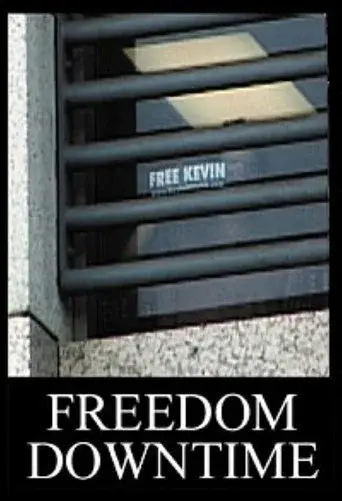
A feature-length documentary about the Free Kevin movement and the hacker world.
Freedom Downtime

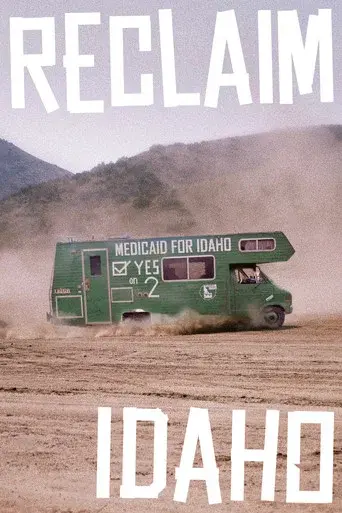
With the lives of 62,000+ uninsured Idahoans at stake, a tiny grassroots team led by a married couple with a newborn and almost no political experience hit the road in a busted 1977 RV to campaign for Medicaid expansion. Somehow, it looks like they might even win.
Reclaim Idaho

The long fight over the land, which demolished the wall between master and serf, continues to divide Peru to this day. But the 1969 agrarian reform marked a before and after in the country's story - a profound change that Peruvian cinema reflected and encapsulated, creating great imagination we continue to discover today. 50 years after the social experiments of the revolution, we ask ourselves whether Peru really messed up or not with Juan Velasco Alvarado.
Revolution and Land
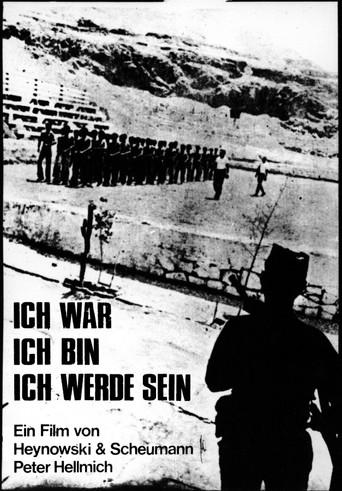
In the spring of 1974, a camera team from Studio H&S succeeded against the explicit orders of the Junta’s Chancellery, entered into two large concentration camps in the north of the country - Chacabuco and Pisagua - leaving with filmed sequences and sound recordings.
I Was, I Am, I Will Be
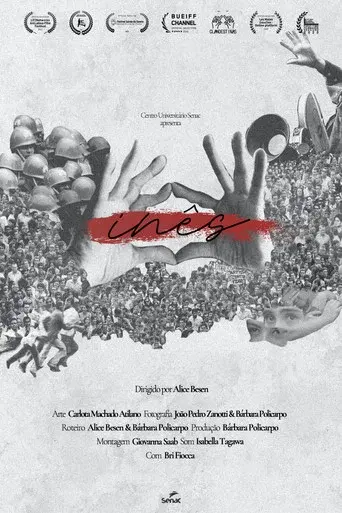
Triggered by congressman Jair Bolsonaro’s homage to the torturer Carlos Alberto Brilhante Ustra, during president Dilma Rousseff’s impeachment hearing in 2016, Inês, a 70 year-old actress, starts a fragmented narrative of her own history, transforming the memories of her youth as an artist and guerrilla fighter during the military dictatorship into performances. Using as a starting point her participation in Teatro Oficina's 1967 production of the play "King of The Candle", by Oswald de Andrade, Inês creates a manifesto in defense of art's political strength, intertwined with memories of lost love and resistance.
Inês
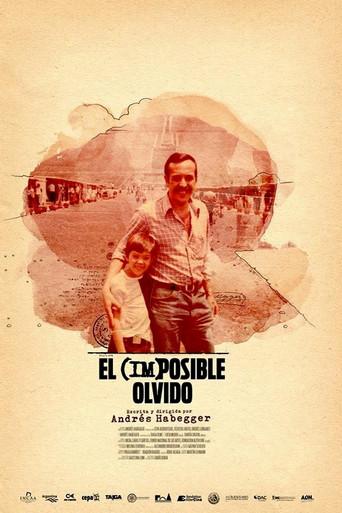
Argentine filmmaker Andrés Habegger embarks on a deeply personal journey in this documentary, seeking to recover memories and information about his father, Norberto Habegger, a journalist and Montonero activist who disappeared in Brazil in 1978 during a joint operation between the Argentine and Brazilian military. Traveling to places that were part of his life and revisiting old photos and his childhood diaries, the director fills in the gaps in a family history that was interrupted.
El (im)posible olvido

Four siblings, whose father disappeared during Brazilian Military Dictatorship, report their childhood during the regime.
Tower

During the last argentine military dictatorship, the Army developed a systematic plan for the abduction of children, with maternity wards inside the clandestine detention centers. This film proposes itself as a trip to the truth "to bring to light the places where lots of babies saw the light for the first time"; Three restored children show the part for the whole :how a genocide was orchestrated,a scheme which planned the deprivation of identity of babies born in captivity, children of illegally kidnapped and detained women.
La parte por el todo
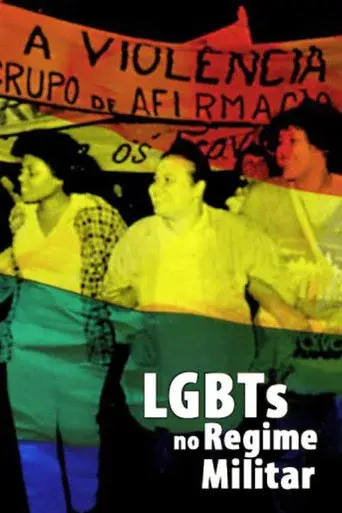
In 1980, the first march of gays, lesbians and transvestites took place in Brazil in protest against the constant police operations that took place in São Paulo, which aimed to repress these groups. Based on Renan Quinalha's doctoral thesis, “Against morality and good customs: the sexual politics of the Brazilian dictatorship (1964-1988)”, carried out by the Institute of International Relations, a series of four 5 minute videos about the birth of the LGBT movement during the Military Regime.
LGBTs no regime militar
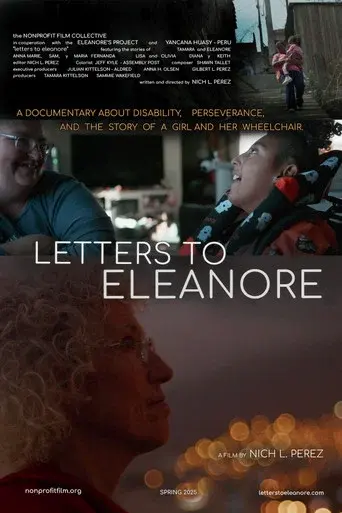
"letters to eleanore" is a poignant feature-length documentary that explores the intertwined journeys of two remarkable girls, Keith from Canto Grande in Lima, Peru, who bravely navigates life with cerebral palsy alongside her devoted mother, and Olivia from Litchfield, Minnesota, whose experiences highlight the stark contrasts in societal attitudes towards disability in their respective countries. As their narratives unfold, they are beautifully interwoven with the legacy of Eleanore and her family, whose life, untimely death, and the impact of her wheelchair ignited a powerful movement of hope for countless children and their families facing similar challenges. This film is not just a story of perseverance and love; it is a testament to the strength of community, brought to life through the collaborative efforts of volunteers, students, and communities across Peru and the United States, embodying a true grassroots style of storytelling that resonates with authenticity and compassion.