

Overview
Is it possible to replicate the human brain on a computer? To connect it to machines? Research aimed at understanding the functioning of our biological brain is being matched by spectacular progress in the development of artificial intelligence.
Key Film Crew
Production Stats
You May Also Like
The lastest neuroscience discoveries show surprising results: false memories, distortion, modification, déjà vus. Our memory is affected in many ways, and deceives us every day. The very fact of recalling souvenirs modifies them. The everyday consequences are manyfold. To what extent can we rely on our souvenirs? How much credit can we give them during trials? Even more shocking, scientists have proved to be able to manipulate our memory: creating artificial souvenirs, deleting, emphasizing or restoring them on demand.
Tricky Memory

For the past 20 years, the world has seen an alarming decrease in IQ and a rise of autism and behavioral disorders. This international scientific investigation reveals how chemicals in objects surrounding us affect our brain, and especially those of fetuses.
Brains in Danger
THE BRAIN is an astonishing voyage of discovery into our last biological frontier. Although today s computers can make calculations in one-100th of a second and technology can transport us outside the bonds of Earth, only now are we beginning to understand the most complex machine in the universe. Using simple analogies, real-life case studies, and state-of-the-art CGI, this special shows how the brain works, explains the frequent battle between instinct and reason, and unravels the mysteries of memory and decision-making. It takes us inside the mind of a soldier under fire to see how decisions are made in extreme situations, examines how an autistic person like Rain Man develops remarkable skills, and takes on the age-old question of what makes one person good and another evil. Research is rushing forward. We’ve learned more about the workings of the brain in the last five years than in the previous one hundred.
The Brain
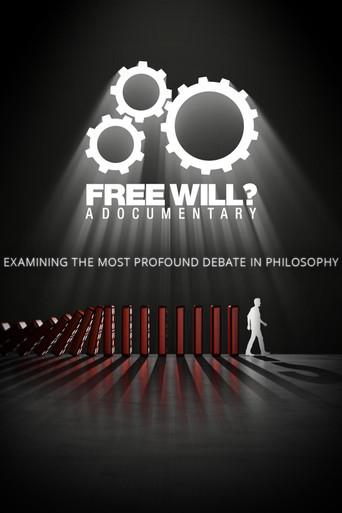
An in-depth investigation featuring world renowned philosophers and scientists into the most profound philosophical debate of all time: Do we have free will?
Free Will
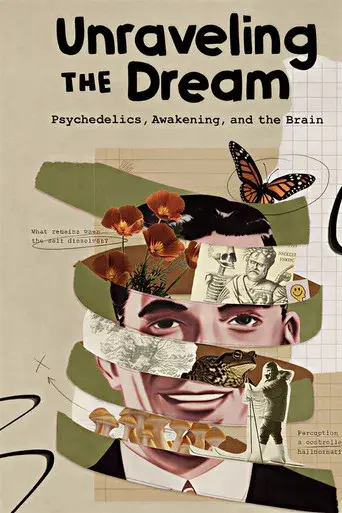
In The Doors of Perception (1954), Aldous Huxley wrote that the urge to transcend self-consciousness was "a principle appetite of the soul." He hoped that psychedelics would make the experience of self-transcendence more widely available, and thereby catalyze a transformation in the culture. But experiencing ego dissolution is one thing; integrating it into ordinary life is another. And, as the misadventures of the 1960s attest, building a culture around self-transcendence is a perilous (if inspiring) endeavor. “Unraveling the Dream,” a new film presented by the Waking Up meditation app, explores whether the new science of psychedelics might shed fresh light on Huxley’s vision. Featuring original interviews with Anil Seth, Robin Carhart-Harris, and Shamil Chandaria, the film takes viewers on a sweeping journey to the frontiers of neuroscience and through the rich, turbulent history of psychedelics.
Unraveling the Dream

A short doc about how faces are perceived: by scientists, by artists, by animals. How do we remember faces so well if we can barely describe them with words? Why do we see them everywhere? What even are they? What is my face?
What Is My Face?


"In Search of Memory" is a very personal portrait of Eric Kandel, the "rock star" of neuroscience and the most important brain researcher of the 20th century. A fascinating documentary about the exciting mystery of the brain which arouses a curiosity in life and learning.
In Search of Memory

Werner Herzog sets his sights on yet another mysterious landscape — the human brain — for clues as to why a hunk of tissue can produce profound thoughts and feelings while considering the philosophical, ethical, and social implications of fast-advancing neural technology.
Theater of Thought

Former football player and wrestler Chris Nowinski's quest to publicize recent findings about the often dire consequences of head concussions sustained by athletes in contact sports — injuries that have previously been considered momentary setbacks and ignored in the name of toughness and dedication to the team.
Head Games

How does your brain create your reality? Are you in control, or is your brain controlling you? Discover the surprising answers based on the latest research in this eye-opening journey into the human brain with neuroscientist Heather Berlin. Your brain – for centuries a black box – is slowly giving up its secrets to modern neuroscience, shedding light on big questions that go to the very heart of who you are.
Your Brain

With its recognisable bright red cap with white spots, the fly agaric (amanita muscaria) seems like the archetype of the fairy tale toadstool. But it is also toxic to humans and can lead to hallucinations and psychotic reactions if ingested. A source of fascination and fear, how dangerous is this mushroom? And could it be beneficial to humankind?
The Fly Agaric

Two parts documentary about the brain: "The Magic of the Unconscious" and "The Power of the Unconscious" "Your brain is a state-of-the-art marvel, managing 90% of everything you do without letting you know regardless of whether you're awake or asleep. When you think you have an idea your brain has already had that idea. Something in your head navigates you through the everyday adventures of modern life, something that decides things for you before you can think about it, because your brain is always on automatic."
Automatic Brain


James Burke roams the Hotel del Coronado, using its services as a metaphor for the neuro-chemical activity of the human brain.
The Neuron Suite
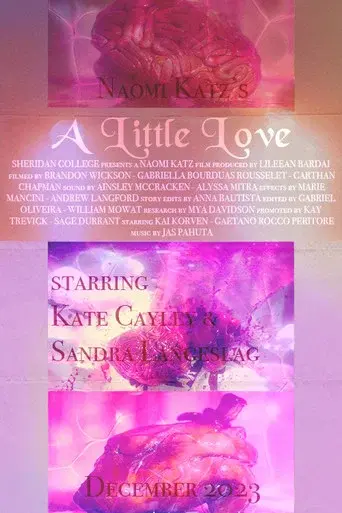
Through interspersed conversation and prose, this experimental documentary follows a poet and a neuroscientist as they explore the definition of love, what it means, and why it matters.
A Little Love

For generations, we have believed that man is driven by ruthless self-interest. But over the past decade, this idea has been increasingly challenged. New research from fields as diverse as political science, psychology, sociology and experimental economics is forcing us to rethink human actions and motivation. ‘The Altruism Revolution’ examines the scientific reasons behind the call for a more caring society.