Women’s Munition Work
Overview
This early public information film puts out an appeal for more women to take up munitions work - showing training centres, opportunities for work in the aircraft industry as well as the tempting prospect of a fun social life. (source: British Film Institute)
Key Film Crew
Production Stats
You May Also Like

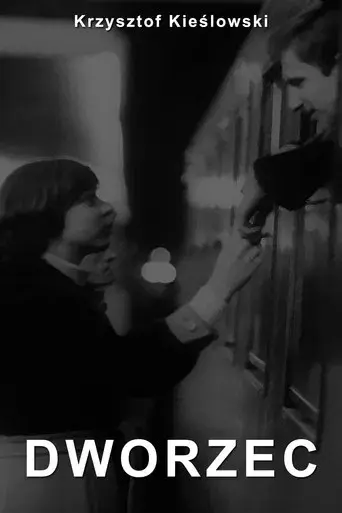
Warsaw's Central Railway Station. 'Someone has fallen asleep, someone's waiting for somebody else. Maybe they'll come, maybe they won't. The film is about people looking for something.
Railway Station
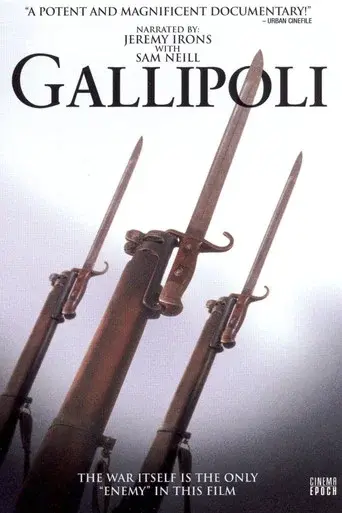
The Gallipoli campaign of World War I was so controversial & devastating, it changed the face of battle forever. Using diaries, letters, photographs and memoirs, acclaimed director, Tolga Ornek, traces the personal journeys of Australian, New Zealand, British and Turkish soldiers, from innocence and patriotism to hardship and heartbreak.
Gallipoli
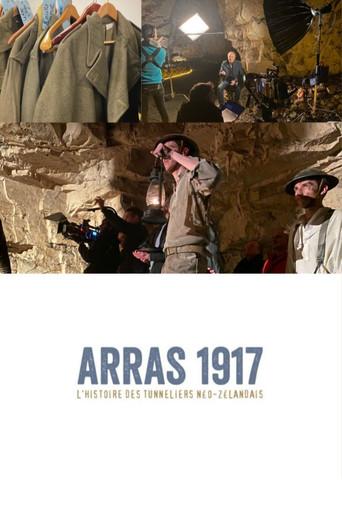
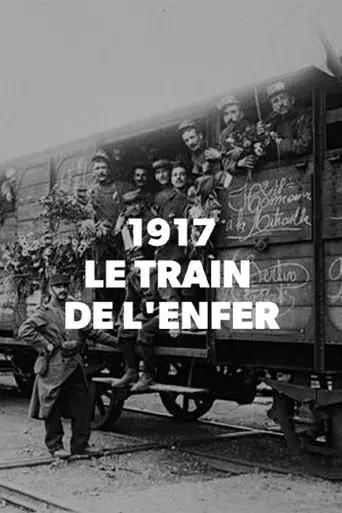
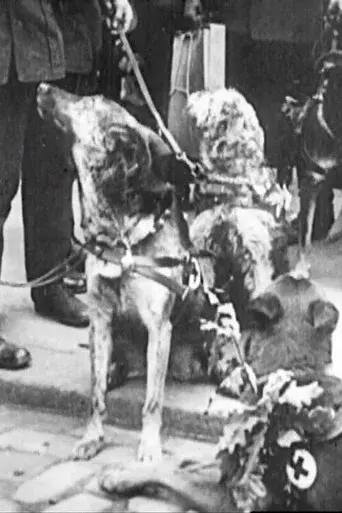
Talented and obedient Red Cross dogs prepare to rescue Berlin's wounded from the Front.
Red Cross Dogs

A captivating step back in time, Pozieres explores the small village in Northern France which, during the Great War in 1916, was the setting of one of the bloodiest battles in history, a twentieth century tragedy. The village was stormed and captured by Australians and became key to the success of the Battle for the Somme. But in less than seven weeks they suffered 23,000 casualties.
Pozieres
1988 CBC docudrama on Canada's role in WW1. Terence McKenna tours the Battlefields of Ypres, the Somme, Vimy Ridge and Paschendaele. Actors portray several Canadian soldiers in WW1 in re-enactments based on their memoirs, diaries and letters.
The Killing Ground


Esther Johnson’s film uses local archive footage to convey the story of Sunderland's involvement in the First World War, from the men who fought in the fields to those who stayed behind to work in the region’s shipyards and munitions factories.
Asunder

This film takes us into the harsh realm of BC's early coal mines, canneries, and lumber camps; where primitve conditions and speed-ups often cost lives. Then, the film moves through the unemployed' struggles of the '30s, post WWII equity campaigns, and into more recent public sector strikes over union rights.
These were the reasons

Poignant scenes of Allied troops enjoying their Yuletide rations at the first Christmas of WWI.
Christmas at the Front
Recruits of Lord Kitchener's 'New Army' parade on Christmas morning.
Christmas Church Parade

Producer Samuel Cummins, along with five participants in World War I, discuss the key events of the war as illustrated by an assemblage of battlefield and other documentary footage. This film is not the same as, but seems likely to have either inspired or been inspired by, Norman Lee's British production of the same title (q.v.), apparently released the following year.