

Overview
In 79 A.D., Mount Vesuvius erupted, killing 2,000 people. This documentary asks what happened next as experts explore Ancient Rome's crisis management.
Key Film Crew
Production Stats
You May Also Like
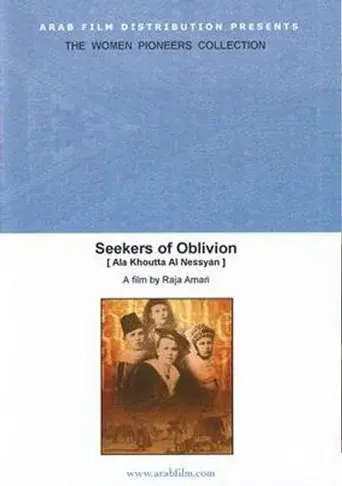
Seekers of Oblivion explores the exciting life and adventures of Isabelle Eberhardt. Born in Geneva, Switzerland in 1877, Isabelle left Europe for North Africa at a young age. While there, she consorted with tramps, prostitutes, soldiers, murderers and thieves, at times masquerading as a man in orde.
Seekers of Oblivion

Music documentary about Billo Frómeta by director Rafael Marziano Tinoco from Venezuela.
Swing con Son
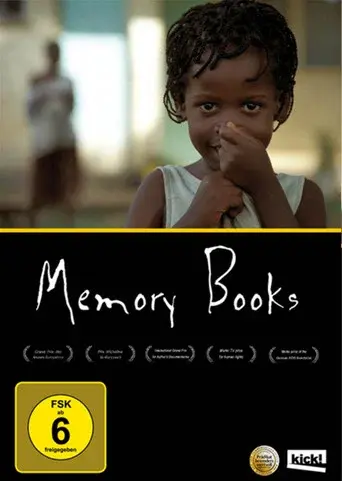
In Uganda, AIDS-infected mothers have begun writing what they call Memory Books for their children. Aware of the illness, it is a way for the family to come to terms with the inevitable death that it faces. Hopelessness and desperation are confronted through the collaborative effort of remembering and recording, a process that inspires unexpected strength and even solace in the face of death.
Memory Books
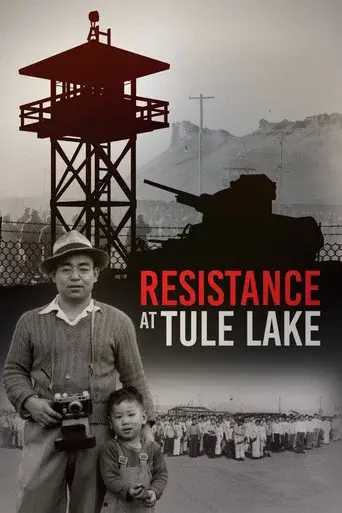
The long-suppressed story of 12,000 Japanese Americans who dared to resist the U.S. government's program of mass incarceration during World War II. Branded as 'disloyals' and re-imprisoned at Tule Lake Segregation Center, they continued to protest in the face of militarized violence, and thousands renounced their U.S. citizenship. Giving voice to experiences that have been marginalized for over 70 years, this documentary challenges the nationalist, one-sided ideal of wartime 'loyalty.'
Resistance at Tule Lake
A documentary about the history of settler groups that came to New Zealand from Europe.
New Country - New People
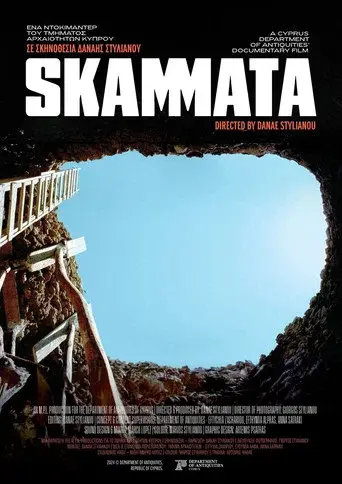
Fifty years after the coup and the Turkish invasion of Cyprus, Cypriot and foreign archaeologists, along with members of the Department of Antiquities' staff from that time, delve into personal memory, examine the collective trauma of war, and outline its impact on Cypriot archaeology. Weaving archival material from excavations with gripping personal testimonies, the documentary *"Skammata"* highlights significant moments in Cypriot archaeology, both before and after the tragic events of 1974.
Skammata
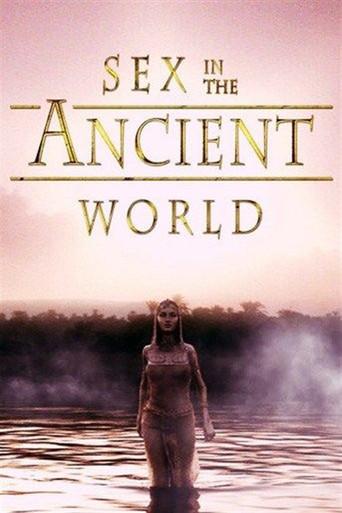
In the beginning was sex. To the ancient cultures, sexuality, love and sex were inextricably connected with the creation of the earth, the heavens and the underworld. To the citizens of the ancient civilizations that gave birth to ours, sensuality and sexuality were an integral part of society. This series exploration of Egyptian and Roman sexual practice allows viewers the opportunity to see how attitudes and beliefs about sexuality functioned in the early civilizations, and how those attitudes reveal the unspoken rules that defined public and private behavior. Episodes cover human sex and sexuality from a historical perspective, and examines in detail different texts and images which provide us with evidence about sexual practices, beliefs and ideologies in the ancient world – from erotica on pots to legal texts, phallic votive objects, fertility ceremonies, prostitution, female and hermaphroditic creator deities, from religious rituals to sex manuals.
Sex in the Ancient World

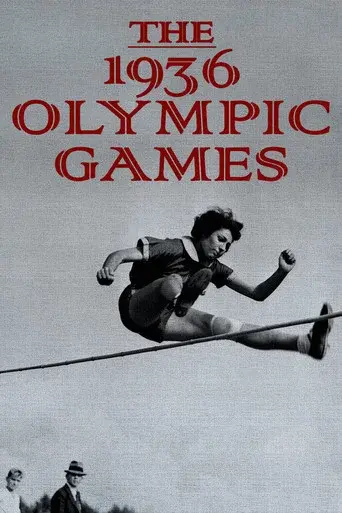
On the 1st August 1936, 100,000 spectators watched as Hitler and the Olympic delegates arrived at the Olympic opening ceremony in Berlin. The Olympic flags hung cheerfully side-by-side banners bearing the Nazi swastika. With the help of specialists and images from Léni Riefenstahl’s 1938 film, ‘Olympia’, we see what really went on behind the scenes and investigate the secret negotiations and compromises made by the International Olympic Committee to bring the Olympics to Berlin.
The 1936 Olympic Games

Featuring Douglas Fairbanks Jr. and Diana Vreeland, La Belle Epoque evokes "the beautiful era" of 1890-1914, a time in which the wealthy upper classes of the Western world gave themselves over to a life of elegance and taste-making, their eyes closed to the increasing social and political turmoil fermenting beneath the surface of polite society. The program uses period motion pictures, photographs, and sound recordings, as well as the arts and fashions of the period to supplement the spoken memories of the participating interviewees who actually lived... La Belle Epoque.
