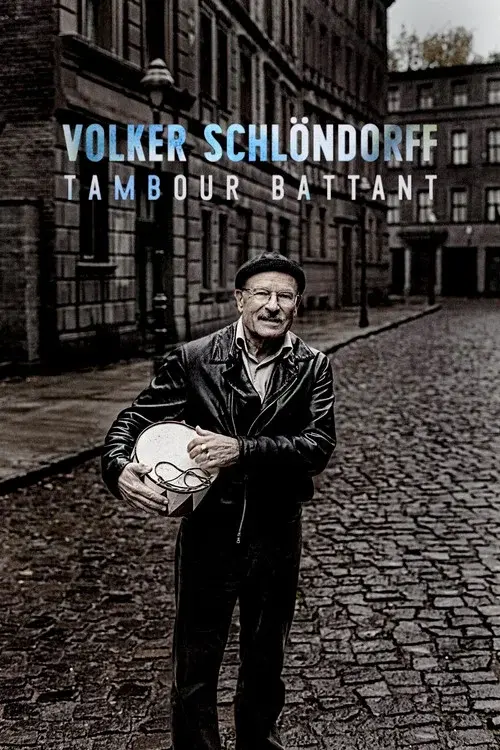
Volker Schlöndorff: The Beat of the Drum
Original Title: “Volker Schlöndorff : tambour battant”
Overview
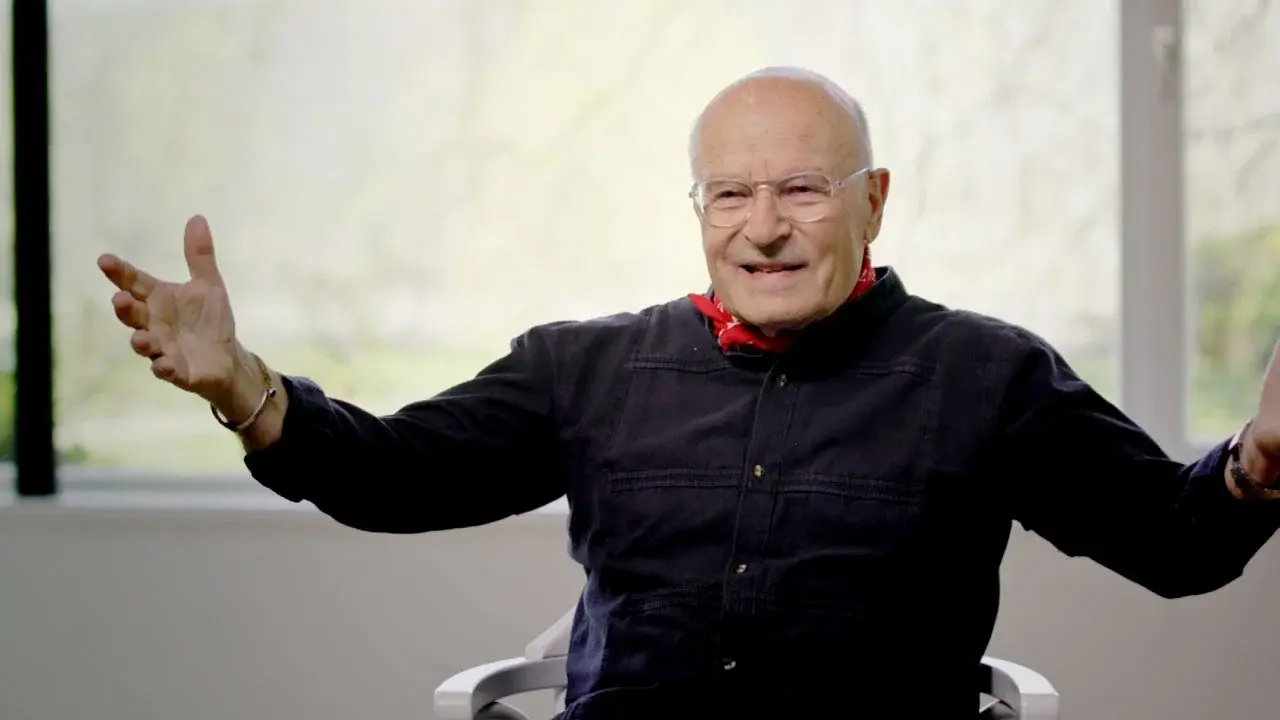
The life and work of the brilliant German filmmaker Volker Schlöndorff, a cross-border artist who, by leaving Germany and making the whole world his place of work, acquired the objective perspective necessary to portray his country's society better than anyone else while providing a unique and original point of view on the troubled history of the European continent.
Top Cast

Volker Schlöndorff
Self - Filmmaker
Key Film Crew
Production Stats
You May Also Like


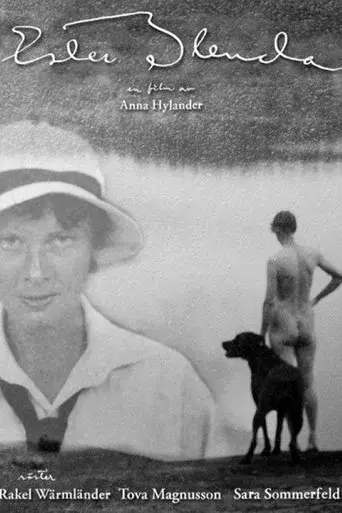
A story about the unorthodox life of the groundbreaking Swedish journalist and author Ester Blenda Nordström (1891-1948). In a very restrictive time for women she travelled the world, always returning to her secret love, Carin, in Stockholm.
Ester Blenda

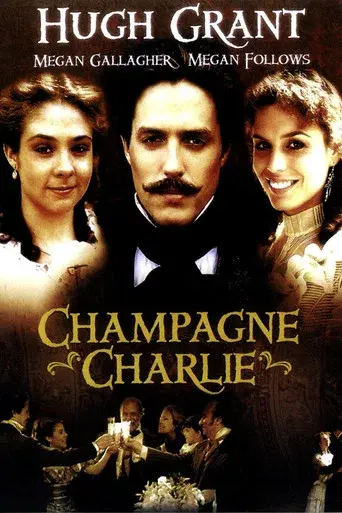
This is the story of the Charles Heidsieck who opened the market for Champagne sales in America just prior to the American Civil War. He is a reluctant French spy and is captured and spends time in a Union prison. There are two parallel love stories (he is French) and some battles with his uncle for control of the family vineyard (because his father married his mother who the uncle also loved).
Champagne Charlie
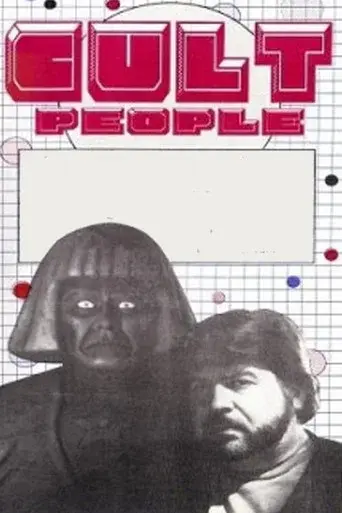
In interviews, various actors and directors discuss their careers and their involvement in the making of what has come to be known as "cult" films. Included are such well-known genre figures as Russ Meyer, Curtis Harrington, Cameron Mitchell and James Karen.
Cult People

A dialogue-free documentary on former magazine model Pandora Peaks, with narration by Peaks and Meyer.
Pandora Peaks
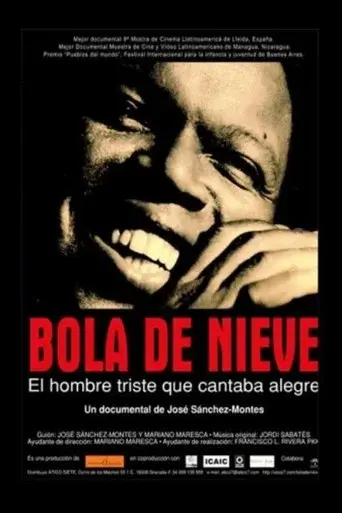
Documentarian Jose Sanchez-Montes turns his attention towards the late Cuban musician Ignacio Villa, known throughout the world as Bola de Nieve (Snowball), with this 2003 biographical documentary entitled simply Bola de Nieve. A master pianist, Bola de Nieve was a mainstay through the middle portion of the 20th century, with his music almost omnipresent in South America cinema throughout those formative decades. With Bola de Nieve's famous statement "I'm a sad person, but my songs sound happy" in mind, Sanchez-Montes also looks at the influence of the musician's African heritage and homosexuality upon Bola de Nieve's unique musical style.
Bola de Nieve
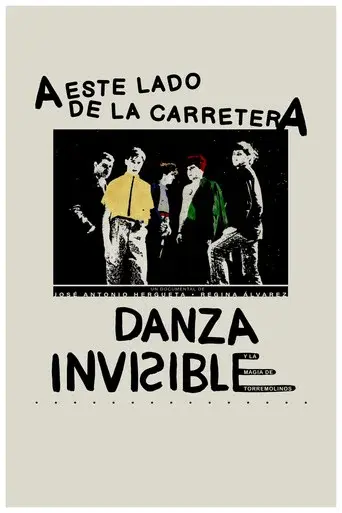

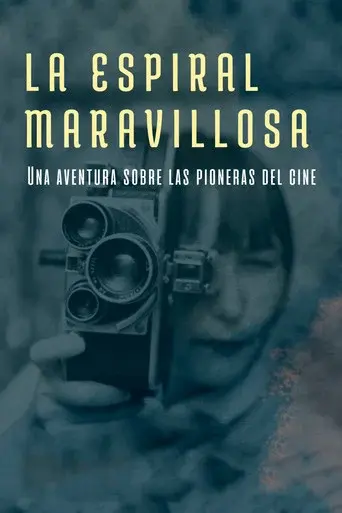
Spain, early 20th century. As a child, Leocadia Cantalapiedra was dazzled by a new art: cinema; but she lives in a society where directing films is something only men can do.