
Mucha: The Story of an Artist Who Created a Style
Original Title: “Svět podle Muchy”
Overview
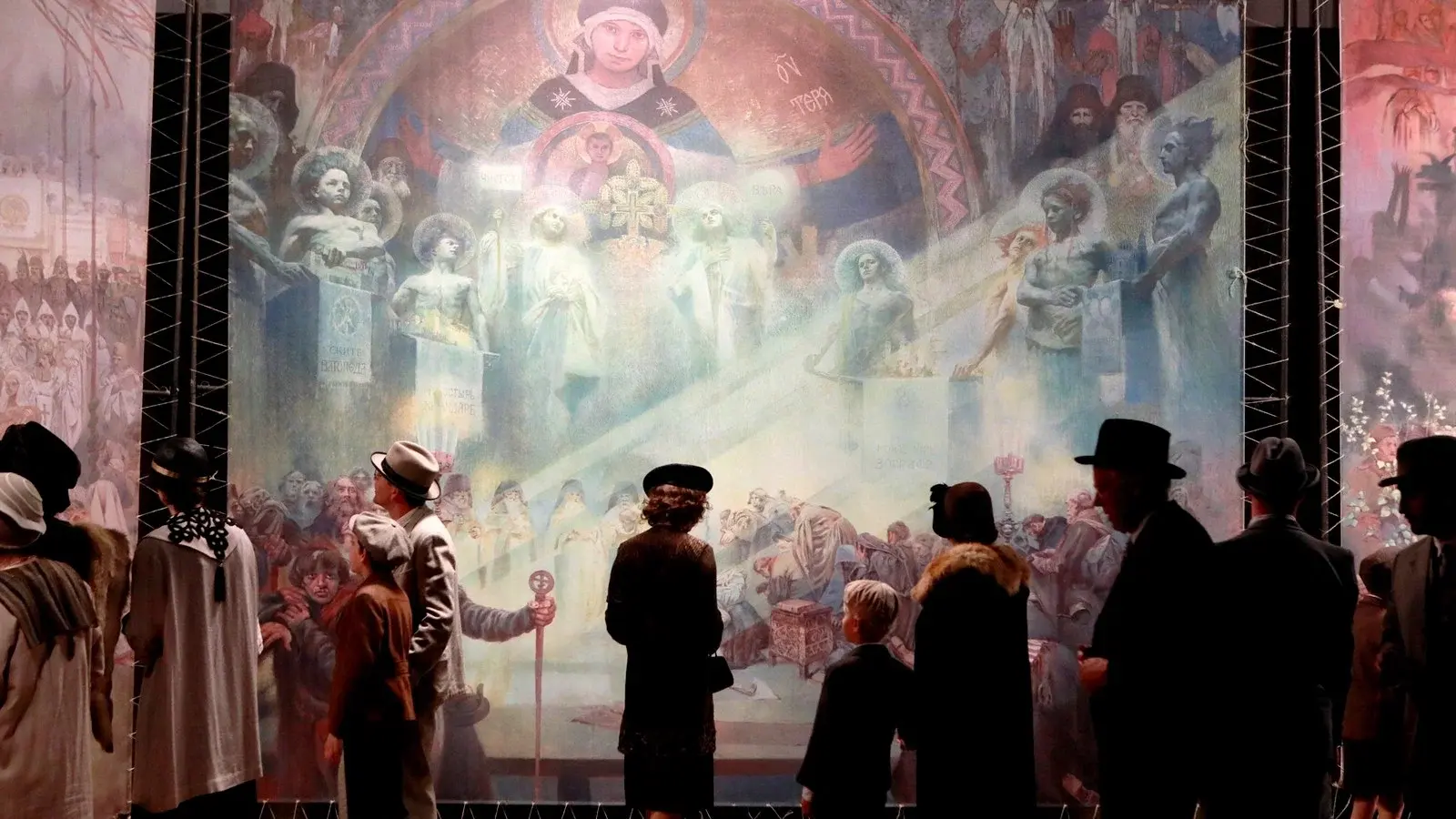
Czech painter and illustrator Alphonse Mucha (1860-1939) ranks among the pioneers of the Art Nouveau movement at the end of the 19th century. Virtually overnight, he becomes famous in Paris thanks to the posters that he designs to announce actress Sarah Bernhardt’s plays. But at the height of his fame, Mucha decides to leave Paris to realize his lifetime project.
Top Cast
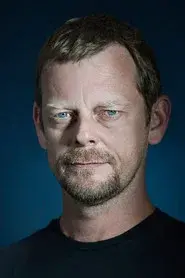
Martin Stránský
Jiří Mucha

Tomáš Koňařík
Young Alphonse Mucha
Antonín Nový
Alphonse Mucha
Mear One
Self - Street Artist

Yoshitaka Amano
Self - Artist
Stanley Mouse
Self - Artist
Tomoko Satō
Self - Artist
John Mucha
Self - Mucha Foundation President

David Švehlík
Voice of Jiří Mucha (voice)

Andrea Elsnerová
Voice of Marie Mucha (voice)
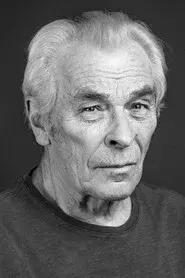
Alois Švehlík
Self - Narrator (voice)

Darina Ničová
Key Film Crew
Production Stats
You May Also Like


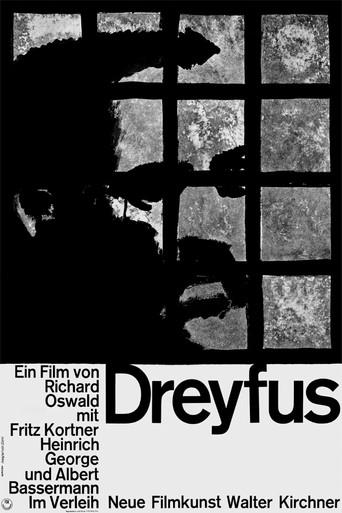
In late nineteenth century Alfred Dreyfus, a French army officer of Jewish heritage, is falsely accused of espionage. Found guilty of treason he is drummed out of the army and sent to prison on Devil's Island.
Dreyfus

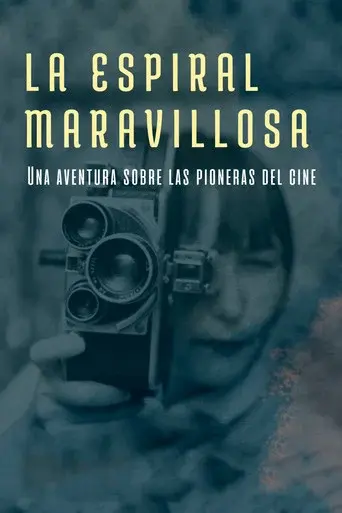
Spain, early 20th century. As a child, Leocadia Cantalapiedra was dazzled by a new art: cinema; but she lives in a society where directing films is something only men can do.
The Marvellous Spiral


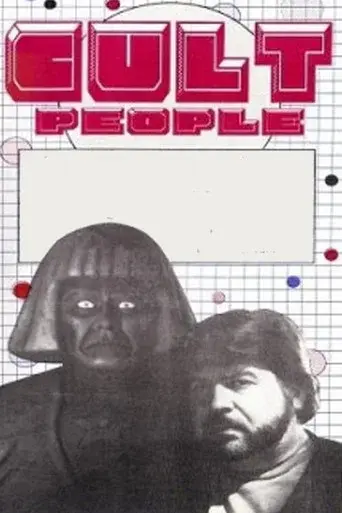
In interviews, various actors and directors discuss their careers and their involvement in the making of what has come to be known as "cult" films. Included are such well-known genre figures as Russ Meyer, Curtis Harrington, Cameron Mitchell and James Karen.
Cult People

A dialogue-free documentary on former magazine model Pandora Peaks, with narration by Peaks and Meyer.
Pandora Peaks
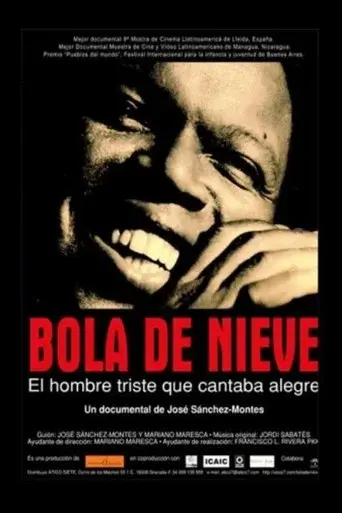
Documentarian Jose Sanchez-Montes turns his attention towards the late Cuban musician Ignacio Villa, known throughout the world as Bola de Nieve (Snowball), with this 2003 biographical documentary entitled simply Bola de Nieve. A master pianist, Bola de Nieve was a mainstay through the middle portion of the 20th century, with his music almost omnipresent in South America cinema throughout those formative decades. With Bola de Nieve's famous statement "I'm a sad person, but my songs sound happy" in mind, Sanchez-Montes also looks at the influence of the musician's African heritage and homosexuality upon Bola de Nieve's unique musical style.