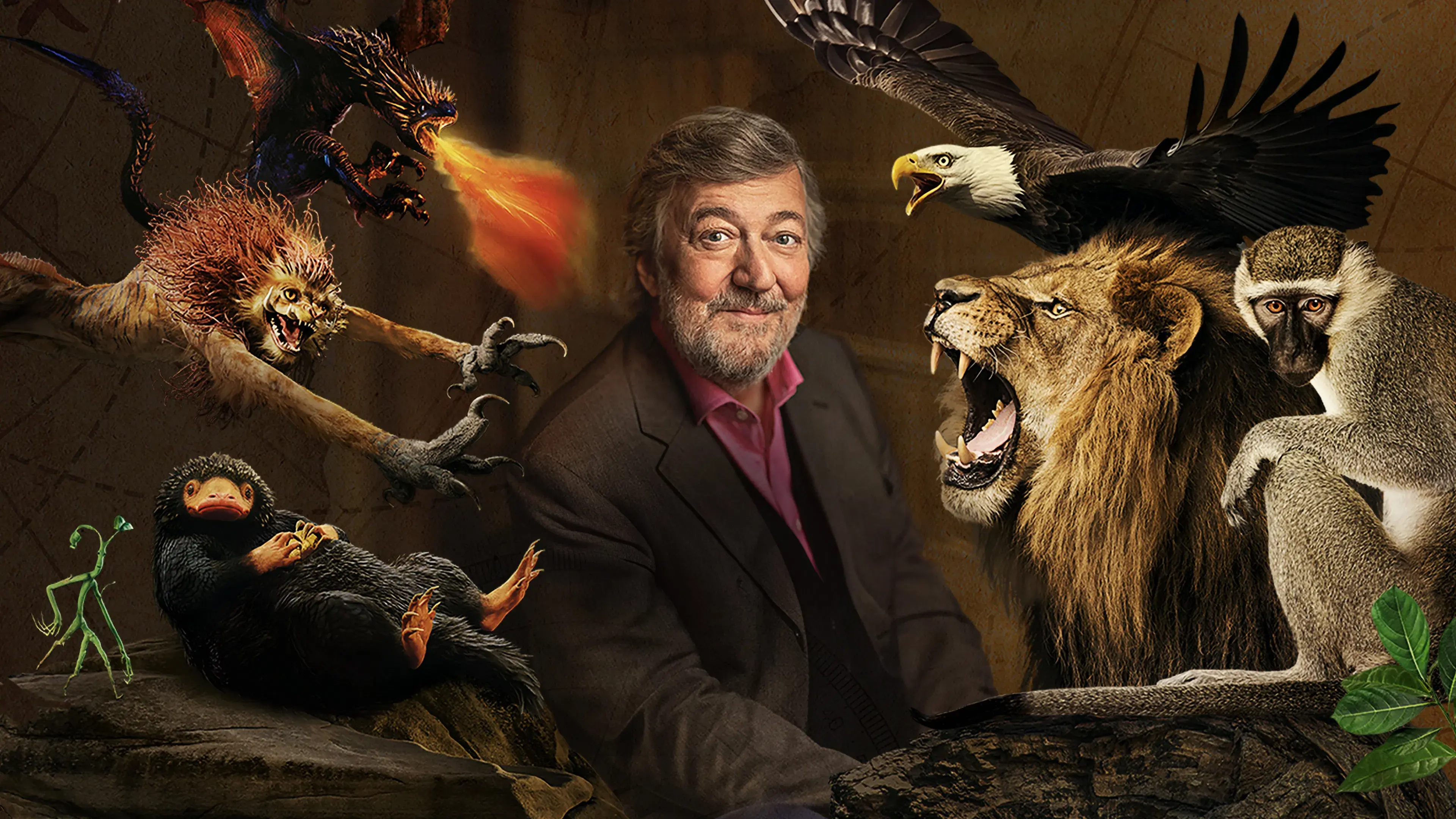

Fantastic Beasts: A Natural History
Overview
Stephen Fry embarks on a journey to discover the stories behind some of the world's most fantastic beasts that have inspired myths and legends in history, story-telling and film.
Top Cast

Stephen Fry
Self - Narrator

J.K. Rowling
Self

Christian Manz
Self
Key Film Crew
Production Stats
You May Also Like


Anna "Buksa" Scemelinska (1925 - 2011) was a Latvian folksinger. She learned her song repertoire and singing style from her parents and villagers. She sang in the Rekova Church Choir in 1956, and has also been a member of the Rekava Ethnographic Ensemble from 1980. Her mother sang religious hymns ,"godzinkas", while Anna sang traditional dainas. The singing was like the rest of her life: in harmony with nature. Marked by hard work and deep religiosity, her songs are a kind of Eastern European blues or gospel. Singers like Anna Scemelinska are storytellers. Their folk songs comprise legends, history and experience from life.
Teicēja Anna Ščemeļinska


An ethnographic documentary following the Folia de Reis party that is celebrated every year at Morro de Santa Marta on Rio de Janeiro.
Folia no Morro





Debunking the mythology surrounding the 16th century French prophet, Nostradamus.
Nostradamus Decoded

The members of the Ayrudzi troupe travel across various villages of Armenia on horseback and put on folk song and dance concerts and shadow theatre performances for the locals.
Ayrudzi

For the 'Are'are people of the Solomon Islands, the most valued music is that of the four types of panpipe ensembles. With the exception of slit drums, all musical instruments are made of bamboo; therefore the general word for instruments and the music performed with them is "bamboo" ('au). This film shows the making of panpipes, from the cutting the bamboo in the forest to the making of the final bindings. The most important part of the work consists in shaping each tube to its necessary length. Most 'Are'are panpipe makers measure the length of old instruments before they shape new tubes. Master musician 'Irisipau, surprisingly, takes the measure using his body, and adjusts the final tuning by ear. For the first time we can see here how the instruments and their artificial equiheptatonic scale-seven equidistant degrees in an octave-are practically tuned.
