

Steph Jane - A Portrait Story
“After a second diagnosis of stage 4 cancer, ceramic artist Steph Jane, age 28, shares the complexity and clarity it brings to her life.”
Overview
Through an intimate conversation, Steph Jane, age 28, shares the struggles and lessons her second diagnosis of stage-4 cancer has taught her. From being genuinely present and savouring simple moments to thoughts of the future and what really matters, Steph reveals beauty and wisdom which transcend appearance and years.
Top Cast

Steph Jane
Herself
Key Film Crew
Production Stats
You May Also Like

A portrait of life in Islamorada, Florida, its unique residents, and the unprecedented changes that have begun taking place.
Islamorada Scramble
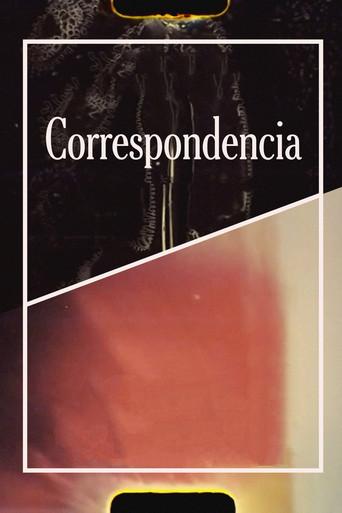
In the form of a filmed epistolary conversation, two young, experienced filmmakers discuss film, present and past family, heritage and maternity. The personal and profound reflections—which are embodied in the graceful images taken day-to-day—are suddenly echoed by the political emergency of a country.
Correspondence
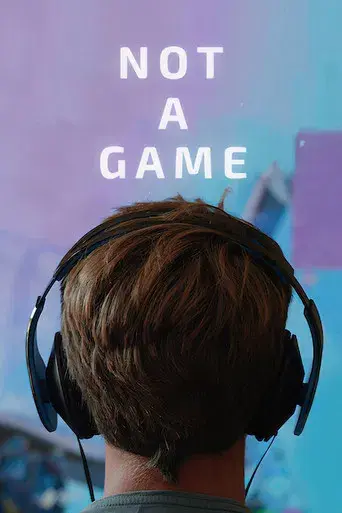
This documentary offers an honest look at our fraught, complex relationship to video games from the perspectives of gamers and their concerned parents.
Not a Game
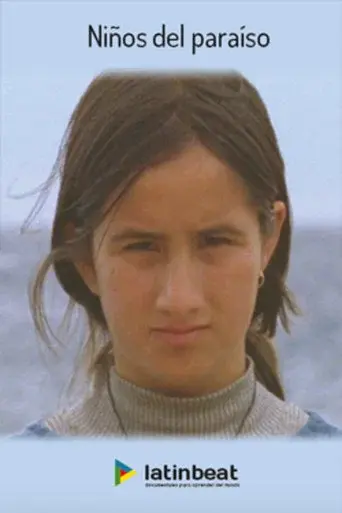
In the Juan Fernández Archipelago, 700 kilometers from the central coast of Chile, is Robinson Crusoe Island. There, a group of children who are in their last year of primary school will soon graduate, leaving the island where they learned to live.
Niños del paraíso

A film in three parts after Oskar Schlemmer's Triadische Ballett (Triadic Ballet).
The Triadic Ballet
Millennials in the US discover their lack of legal nationality, sparking a search for recognition and belonging that unites them and offers hope for the future.
Citizens of Nowhere
JEWS excavates a lost world of manners and ritual in home movies shot by several Chicago families from the 1920s through the 1940s. Much as in similar found footage soliloquies by Péter Forgács, Jay Rosenblatt and Ken Jacobs, director Roger Deutsch wrings unexpected pathos from mundane traces of the past. Children mug for the camera with dances of the day, upright mothers march their strollers up the avenue, men smoke, the family gathers around the table to light the candles. The bare title cannot help but raise the specter of contemporaneous events in Europe, lending an extra degree of urgency to the film's meditation on disappearance. - Max Goldberg
Jews
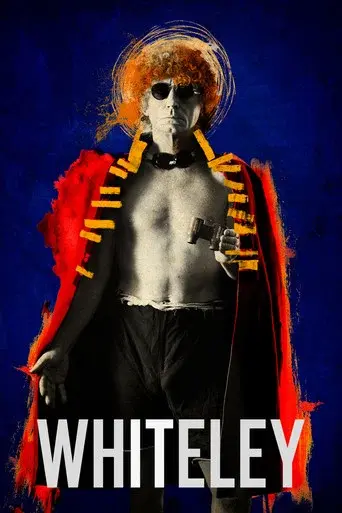
A visual journey into the life and legacy of one of Australia's most celebrated artists, Brett Whiteley.
Whiteley
Dance Theater of Harlem's Lindsey Donnell reflects on the obstacles she and other ballet dancers face in ballet and society.
The Color of My Shoes
Documentary about the Szymon Wiesenthal Center and the obstacles, often set by governments not interested in providing any help for the Center's project, it encounters.
Ostatnia szansa
A B'nai B'rith delegation visits the town of Oberammergau to meet with its mayor and the monk who is responsible for the passion play which is presented every ten years. The group discusses their efforts to eliminate the antisemitic tone of the play.
Oberammergau
Filmmaker Liam Le Guillou seeks out an occult curse to an answer to the question "is magic real?", forcing him to question the nature of reality and belief in this dangerous, never-before-seen, dark social experiment.
A Cursed Man
NOVA takes you inside the operating room to witness organ transplant teams transferring organs from donors to recipients. Meet families navigating both sides of a transplant, and researchers working to end the organ shortage. Their efforts to understand organ rejection, discover ways to keep organs alive outside the body, and even grow artificial organs with stem cells, could save countless lives.
Transplanting Hope
The Common Touch tells the story of Jake Bailey, viral sensation and student of Christchurch Boys High School, who was told one week before his graduation speech about his diagnosis of life-threatening cancer.
The Common Touch
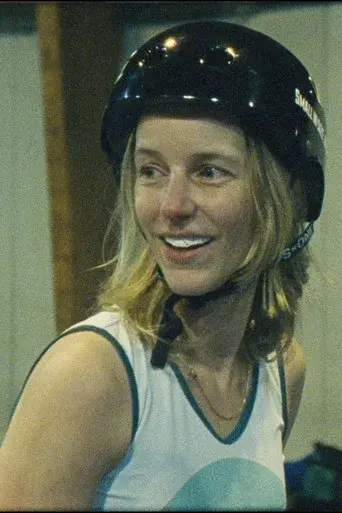
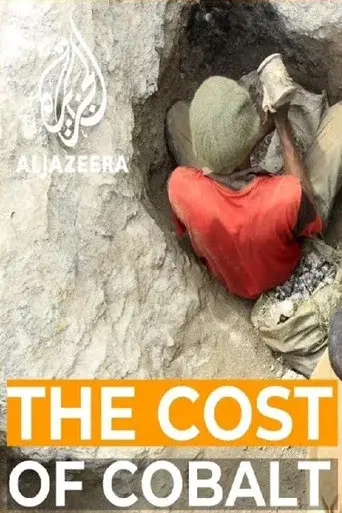
In the cobalt mining areas of Katanga in the Democratic Republic of the Congo (DRC), babies are being born with horrific birth defects. Scientists and doctors are finding increasing evidence of environmental pollution from industrial mining which, they believe, may be the cause of a range of malformations from cleft palate to some so serious the baby is stillborn. More than 60% of the world’s reserves of cobalt are in the DRC and this mineral is essential for the production of electric car batteries, which may be the key to reducing carbon emissions and to slowing climate change. In The Cost of Cobalt we meet the doctors treating the children affected and the scientists who are measuring the pollution. Cobalt may be part of the global solution to climate change, but is it right that Congo’s next generation pay the price with their health? Many are hoping that the more the world understands their plight, the more pressure will be put on the industry here to clean up its act.
