

Du teweikan à l'électro : voyage aux sources de la musique autochtone
Overview
No overview summary available for this movie.
Top Cast

Pakesso Mukash
Moe Clark

Shauit
Key Film Crew
Production Stats
You May Also Like
A feature documentary about the journey of mankind to discover our true force and who we truly are. It is a quest through science and consciousness, individual and planetary, exploring our relationships with ourselves, the world around us and the universe as a whole.
Another World

“Shellmound” is the story of how one location was transformed from a sacred center of pre-historic cultures to a commercial mecca for modern people. What began as a Native American burial ground three thousand years ago, was transformed first into an amusement park, and later an industrial age paint factory. Now, the tainted ancient soil sits beneath the glittering lights of Banana Republic, Victoria’s Secret, and the AMC movie theaters. “Shellmound” examines the decisions made during the recent toxic cleanup, excavation, and construction of the Bay Street mall through the eyes of the city of Emeryville, the developer, the archaeologists, and the native Californians who worked on the site.
Shellmound
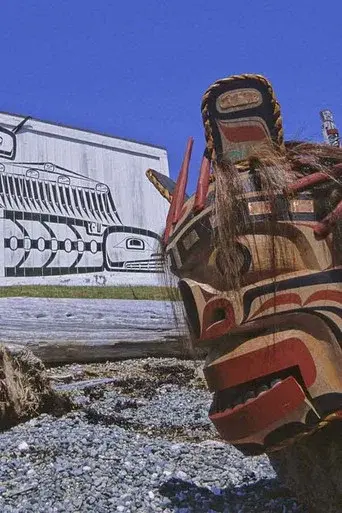
In 1921 the Kwakiut'l people of Alert Bay, British Columbia, held their last secret potlatch. In 1980 at Alert Bay, the U'mista Cultural Centre (U'mista means "something of great value that has come back") opened its doors to receive and house the cultural treasures which were seized decades earlier and only then returned to the people. The center also took up activities such as recording stories told by elders so that some part of the past would always be alive and teaching children about their heritage in order to make them feel connected to their ancestors. This film documents the cultural significance of these events for today's Kwakiut'l people. It is an eloquent testimony to the persistence and complexity of Kwakiut'l society and to the struggle for redefining cultural identity for them.
Box of Treasures
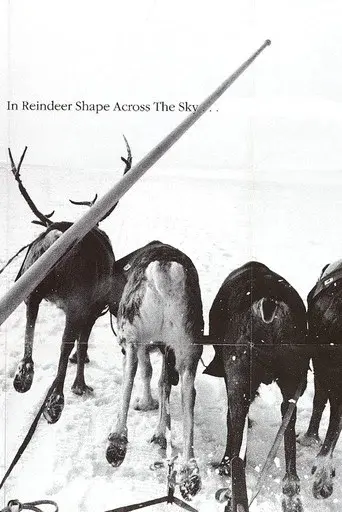

What does it mean to connect with your ancestral land? In the Northwest Territories of Canada, young people from the Lutsel K'e Dene First Nation journey across Tu Nedhe Lake (Great Slave Lake) with the Ni Hat'ni Dene guardians to learn about the home that their community relies on—a home that's being opened up as a new national park reserve within the Thaidene Nene Indigenous Protected Area. Now, looking after this land means that the Ni Hat'ni Dene guardians are preserving it not only for future generations here but also for the world.
Watchers of the Land


An examination of the issue of missing and murdered Indigenous women, the film explores the reasons why Indigenous women are uniquely vulnerable to violence by juxtaposing the stories of some missing or murdered women with the personal testimonies of women who are doing activism on the issue and women who have personally survived incidents of violence.
Quiet Killing
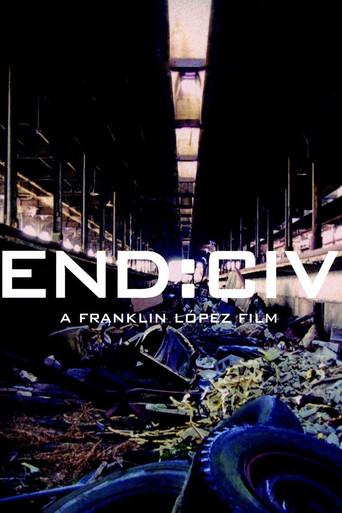
The causes underlying the collapse of civilizations are usually traced to overuse of resources. As we write this, the world is reeling from economic chaos, peak oil, climate change, environmental degradation, and political turmoil. Every day, the headlines re-hash stories of scandal and betrayal of the public trust. We don't have to make outraged demands for the end of the current global system - it seems to be coming apart already. But acts of courage, compassion and altruism abound, even in the most damaged places. By documenting the resilience of the people hit hardest by war and repression, and the heroism of those coming forward to confront the crisis head-on, END:CIV illuminates a way out of this all-consuming madness and into a saner future. Backed by Jensen's narrative, the film calls on us to act as if we truly love this land. The film trips along at a brisk pace, using music... Written by Franklin Lopez
END:CIV

In the mountains of Córdoba hides a historical scar. In 1575, hundreds of Hênia-Kâmîare women, children and elders jumped off in order to avoid slavery. A free, poetic view at the very place where the largest mass suicide in the history of the territory known today as Argentina took place. The film is a phantasmagoric trip within this geographical extension, taking it as a vast, green cemetery.
Green Ash

In 2013, the world's media reported on a shocking mountain-high brawl as European climbers fled a mob of angry Sherpas. Director Jennifer Peedom and her team set out to uncover the cause of this altercation, intending to film the 2014 climbing season from the Sherpa's point-of-view. Instead, they captured Everest's greatest tragedy, when a huge block of ice crashed down onto the climbing route...
Sherpa


From inside the human body and the miracle of developing life to an insects world seen from the point of view of the insect, cinematographer Lennart Nilsson shows us the world in new ways. Part I, "The Ultimate Journey", moves from fertilization to birth of the human child, with excursions into comparative embryology. "The Unknown World" explores fur beetles and book worms and viruses among others - you will not be able to look at a fur coat the same way again. And in "The Photographer's Secrets" the technical people who developed the instruments he used explain how the cinemagic is done - a kiss from the inside, an opera singer's vocal cords, a tractor as seen 'over the shoulder' of an emerging worm.
Odyssey of Life

Eami means ‘forest’ in Ayoreo. It also means ‘world’. The story happens in the Paraguayan Chaco, the territory with the highest deforestation rate in the world. 25,000 hectares of forest are being deforested a month in this territory which would mean an average of 841 hectares a day or 35 hectares per hour. The forest barely lives and this only due to a reserve that the Totobiegosode people achieved in a legal manner. They call Chaidi this place which means ancestral land or the place where we always lived and it is part of the "Ayoreo Totobiegosode Natural and Cultural Heritage". Before this, they had to live through the traumatic situation of leaving the territory behind and surviving a war. It is the story of the Ayoreo Totobiegosode people, told from the point of view of Asoja, a bird-god with the ability to bring an omniscient- temporal gaze, who becomes the narrator of this story developed in a crossing between documentary and fiction.
Eami


The world knows the image of the good Canadian. But what if there was a dark secret behind a national identity? THE GOOD CANADIAN exposes the truth behind the idea of a True North strong and free. In this unflinching and eye-opening documentary, directors Leena Minifie and David Paperny move us through the corridors of systemic inequity, from the Indian Act to residential schools, to modern-day family separation. Fusing shocking footage with detailed interviews with experts, advocates, whistleblowers and politicians, THE GOOD CANADIAN challenges national myth-making, while offering Canadians the chance to forge a new identity from the truth.
