
The Lost Tomb of Alexander the Great
Overview
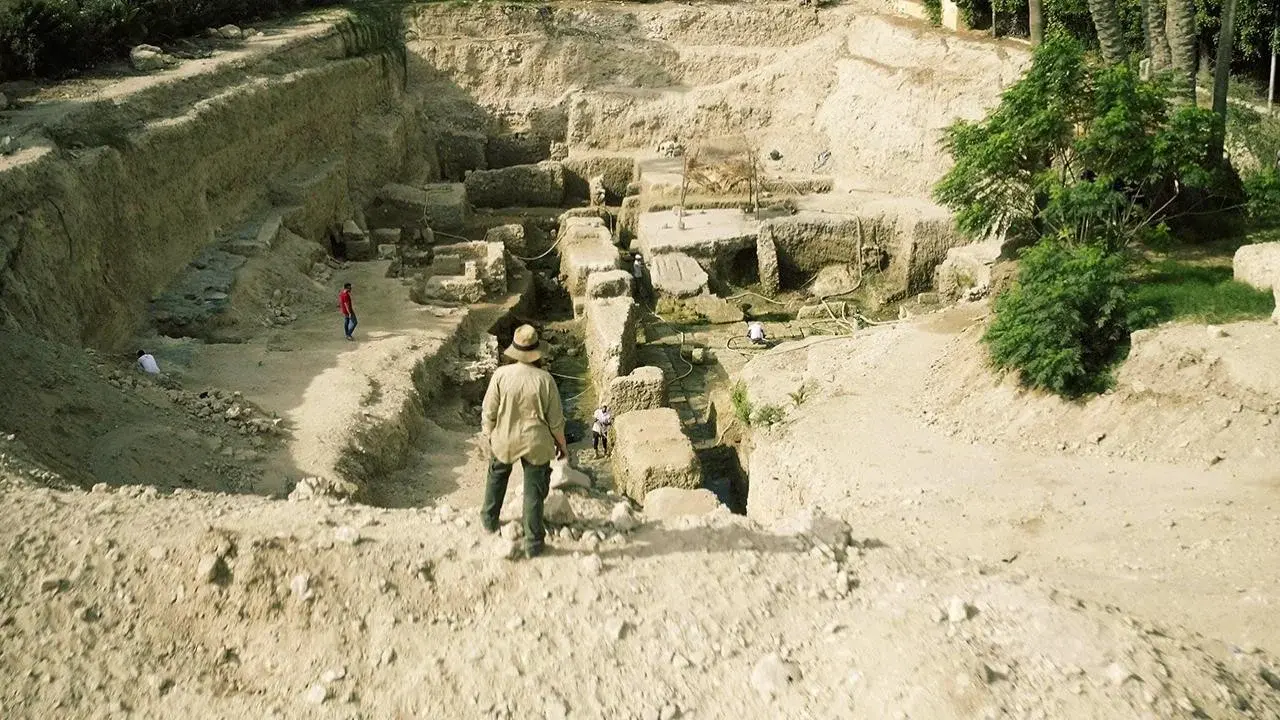
In this gripping investigation, archaeologist Pepi Papakosta is on a hunt for Alexander the Great's lost tomb, and she makes an extraordinary discovery.
Top Cast

Fredrik T. Hiebert
National Geographic Archaeologist

Calliope Limneos-Papakosta
Archaeologist
Key Film Crew
Production Stats
You May Also Like


What is true and what is false in the hideous stories spread about the controversial figure of the Roman emperor Gaius Julius Caesar Augustus Germanicus (12-41), nicknamed Caligula? Professor Mary Beard explains what is accurate and what is mythical in the historical accounts that portray him as an unbalanced despot. Was he a sadistic tyrant, as Roman historians have told, or perhaps the truth about him was manipulated because of political interests?
Caligula with Mary Beard



The ancient ancestors of today’s Maya people thrived in large sophisticated cities across Central America for centuries. Why, around 750 CE, did they begin to abandon many of their major cities? Archaeologists investigate dramatic new evidence of the catastrophic droughts and instability that pushed cities beyond their limits.
Ancient Maya Metropolis



This explores the mysterious and catastrophic collapse of ancient civilizations during the late Bronze Age, from the Hittites to the Mycenaeans and the Egyptians, revealing the tumultuous events that brought an end to a thriving era of human history, and warns we may be facing similar threats today.
Ancient Armageddon

Luc Bachelot, a researcher with the CNRS, has been directing since 1994 the French archeological mission at Tell Shioukh Faouqâni in Syria and coordinates the excavations that are carried out there.
La Colline des chefs

The Great Year is a compelling documentary that explores the possibility that the fall of ancient civilizations around the globe, and the rise of modern civilization, might be related to our Sun’s motion around a companion star. The film examines evidence that ancient civilizations may have known of this celestial cycle and that our Sun may indeed display the characteristics of binary motion. Just as the Earth’s spin on its axis causes day and night and our planet’s annual orbit around the Sun is responsible for the ongoing cycle of the seasons, what if there is some greater celestial cycle, lasting thousands of years, slowly influencing the rise and fall of civilization across the globe? Where is the evidence? What could be the cause?
The Great Year

National Geographic follows archaeologist Ehud Natzer in his discovery of the tomb of Herod the Great.


