
Concerto / Enigma Variations / Raymonda Act III (Royal Ballet)
Overview
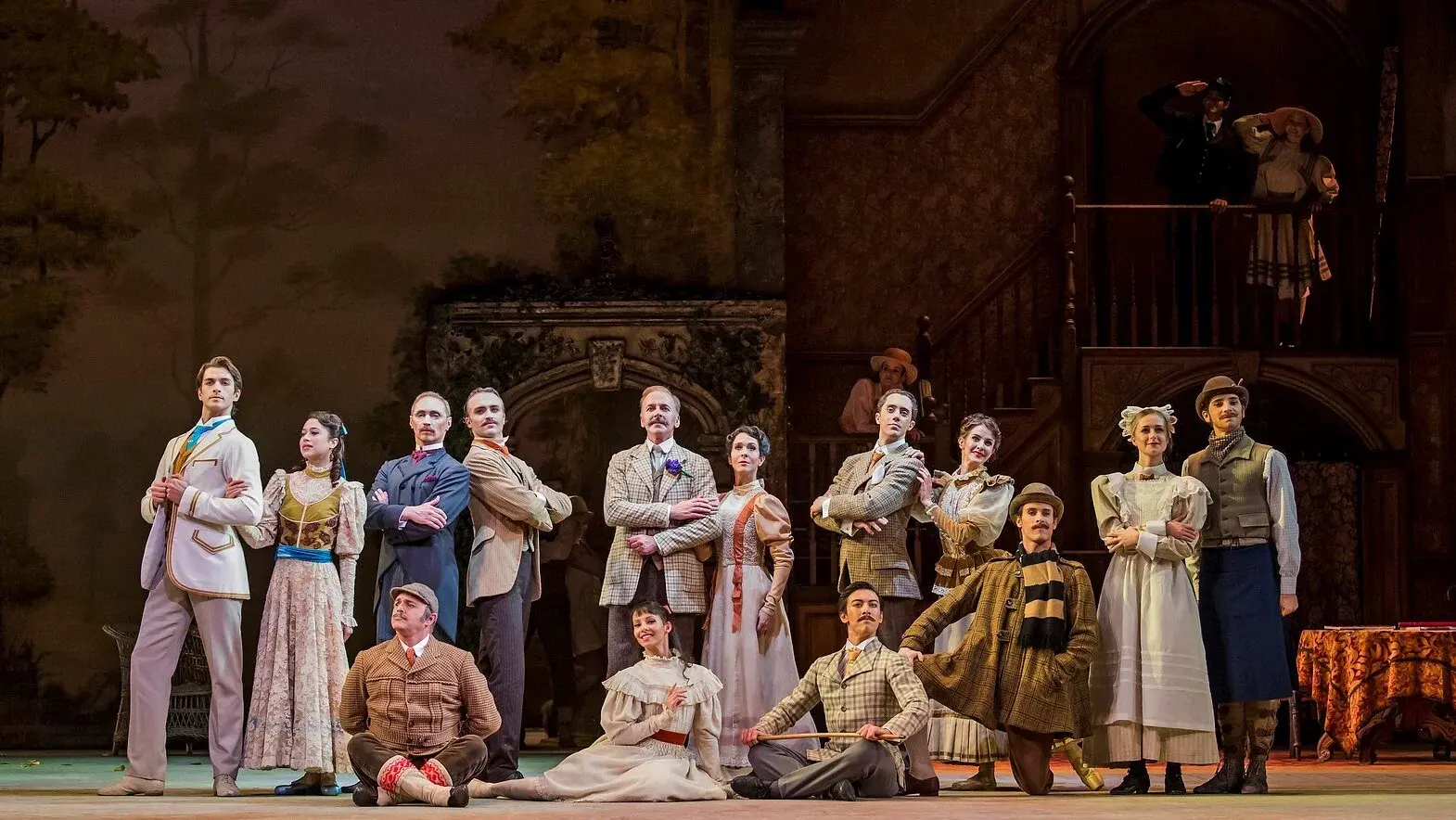
From The Royal Ballet’s classical origins in the works of Petipa, to the home-grown choreographers who put British ballet on the world stage, this mixed programme highlights the versatility of the Company. Petipa’s Raymonda Act III is Russian classical ballet summarized in one act, full of sparkle and precise technique, while Ashton’s Enigma Variations is quintessentially British in every way – from its score by Elgar and period designs by Julia Trevelyan Oman, to Ashton’s signature style, the essence of British ballet. Concerto, MacMillan’s fusion of classical technique with a contemporary mind, completes a programme that shows the breadth of the Company’s heritage.
Top Cast

Anna Rose O'Sullivan
Concerto
James Hay
Concerto / Pas de Quatre (Raymonda Act III)

Yasmine Naghdi
Concerto

Ryoichi Hirano
Concerto

Mayara Magri
Concerto

Christopher Saunders
Edward Elgar

Laura Morera
The Lady
Paul Kay
Hew Steuart-Powell

Philip Mosley
Richard Baxter Townshend
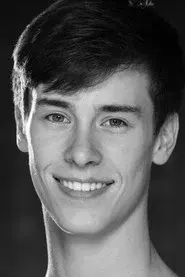
Calvin Richardson
William Meath Baker

Reece Clarke
Richard P. Arnold / Hungarian Dance

Beatriz Stix-Brunell
Isabel Fitton / Variation 4 (Raymonda Act III)
Key Film Crew
Production Stats
You May Also Like
The first revival of Wayne McGregor’s critically acclaimed ballet triptych to music by Max Richter, inspired by the works of Virginia Woolf.
Woolf Works

The Sleeping Beauty holds a special place in The Royal Ballet’s repertory. It was the ballet with which the Company reopened the Royal Opera House in 1946 after World War II, its first production at its new home in Covent Garden. Margot Fonteyn danced the role of the beautiful Princess Aurora in the first performance, with Robert Helpmann as Prince Florimund. Sixty years later, in 2006, the original 1946 staging was revived by then Director of The Royal Ballet Monica Mason and Christopher Newton, returning Oliver Messel’s wonderful designs and glittering costumes to the stage.
The Sleeping Beauty

Now celebrating its 50th year, George Balanchine’s sparkling ballet still shines with all the brilliance of the gemstones that inspired it.
The ROH Live: Jewels

Mauro Bigonzetti's ballet based on Franz Kafka, performed by the National Theatre Ballet. Choreographer Mauro Bigonzetti, fascinated by the irresistible language of Prague native Franz Kafka and the enduring relevance of his novel "The Trial," was drawn into the dark world of Josef K and created a modern dance production depicting the world of the protagonist and his hopeless struggle with a cold and heartless modern society. Bigonzatti used music by a number of composers from different historical periods, from D. Buxtehude to H. Górecki, C. Monteverdi, and M. P. Mussorgsky. This selection is remarkably balanced and surprisingly contemporary.
Kafka: Proces
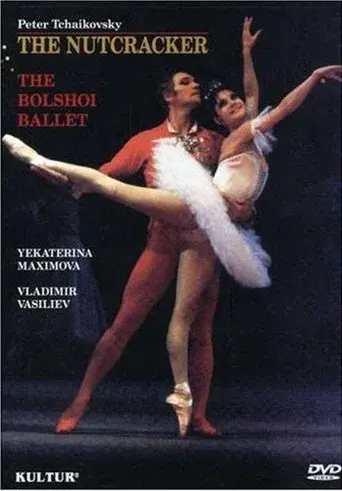
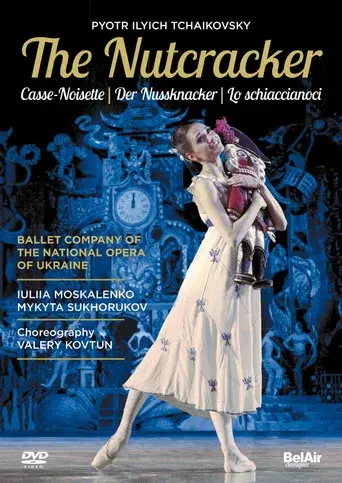
Live from the Bolshoi Theatre, this 1978 remake of the two-act classical Christmas ballet blends Tchaikovsky's beloved melodies with superb dancing. Famed Bolshoi duo Yekaterina Maximova and Vladimir Vasiliev star in this production of Tchaikovsky's beloved ballet, The Nutcracker. Maximova dances the role of Maria, the young girl whose mysterious uncle Drosselmeyer gives her a wooden nutcracker (Vasiliev) for Christmas. When he comes to life, she rescues him from marauding mice and is taken to the Kingdom of Sweets.
The Nutcracker
When rebellious street dancer Andie West lands at the elite Maryland School of the Arts, she finds herself fighting to fit in while also trying to hold onto her old life. When she joins forces with the school's hottest dancer, Chase Collins, to form a crew of fellow outcasts to compete in Baltimore's underground dance battle The Streets.
Step Up 2: The Streets
After the death of her mother, Sara moves to the South Side of Chicago to live with her father and gets transferred to a majority-black school. Her life takes a turn for the better when befriends Chenille and her brother Derek, who helps her with her dancing skills.
Save the Last Dance

This all-time ballet favourite, in which young Clara is swept into a fantasy adventure when one of her Christmas presents comes to life, is at its most enchanting in Peter Wright's glorious production.
The Nutcracker

In 1931 Shostakovich wrote a full-length score for the Leningrad Music Hall, for a show that involved many of the leading entertainers of the day, as well as dancing girls, a jazz band, a dancing dog, sequences of silent film, simulated air-raids and gas attacks, a lorry, a storm, waiters and waitresses in a luxury restaurant, river nymphs and even a scene in Heaven with the Devil, the Twelve Apostles, the Archangel Gabriel and all the other angels doing a blasphemous knees-up. The show was naturally a momentary scandal and the score soon disappeared. In 1991 Gerard McBurney reconstructed from the surviving sketches a sequence of 21 of the orchestral numbers to make a hilarious sequence of gallops, saucy polkas, marches and schmoozy waltzes.
Hypothetically Murdered

La Fille Mal Gardée (The Wayward Daughter) is a highly acclaimed comedy ballet that appeals to audiences of all generations. Some of the finest dancers have appeared in this work by Sir Frederick Ashton, which has been staged at theatres around the world, including at the Paris Opera, Bolshoi Theatre, American Ballet Theatre, Boston Ballet and National Ballet of Canada. Audiences are captivated by the storyline: will the wild young Lise fight for her love despite her desperately overprotective mother? Will she marry her beloved Colas? Or will she listen to her mother’s words and accept Alain, who is wealthy but a little bit “out of his head”? This ballet celebrates the joy of life and, above all, love. It is colourful and full of humour, with dancers who simply make audiences smile.
The Wayward Daughter

Sergei Prokofiev's eighth and last ballet, written between 1948 and 1953. It is based on the Russian Ural folk tale The Stone Flower by Pavel Bazhov and is also the last of the trilogy of ballets Prokofiev wrote in the Russian ballet tradition. It was premiered posthumously in 1954, conducted by Yuri Fayer.
The Stone Flower

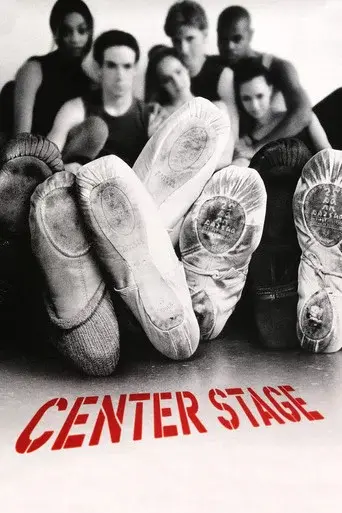
A group of 12 teenagers from various backgrounds enroll at the American Ballet Academy in New York to make it as ballet dancers and each one deals with the problems and stress of training and getting ahead in the world of dance.