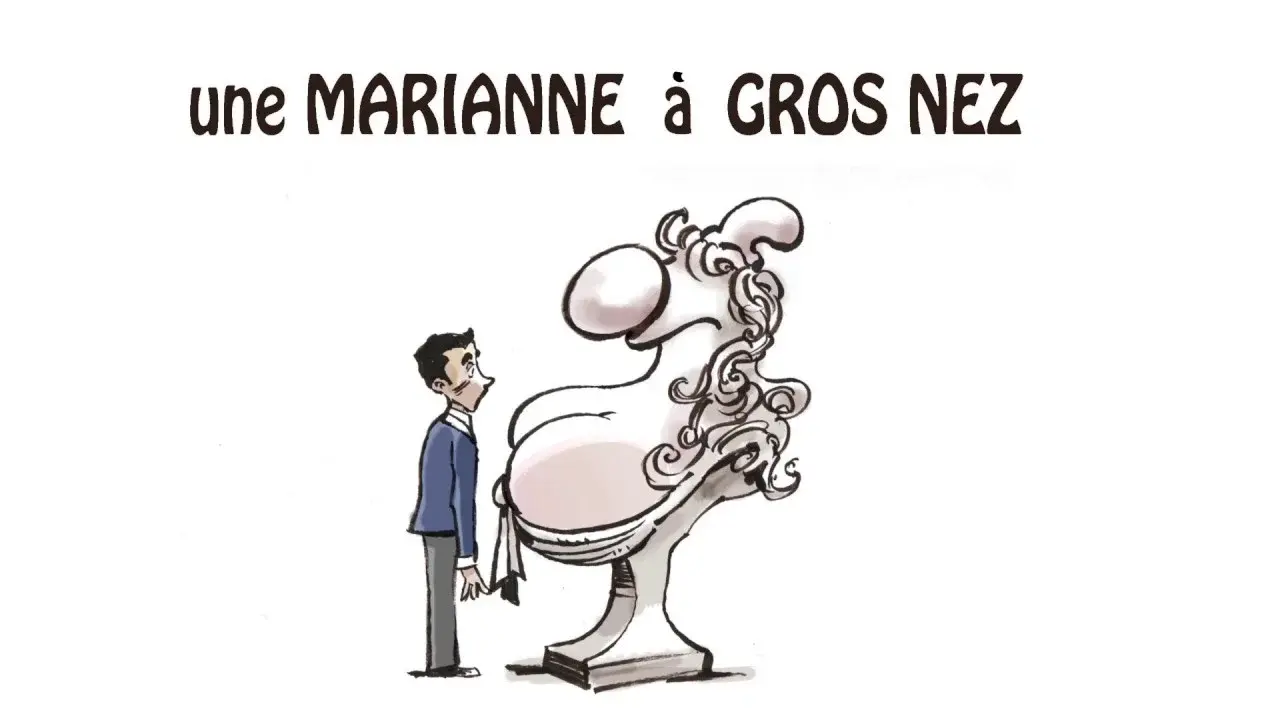

Une Marianne à gros nez
Overview
No overview summary available for this movie.
Key Film Crew
Production Stats
You May Also Like
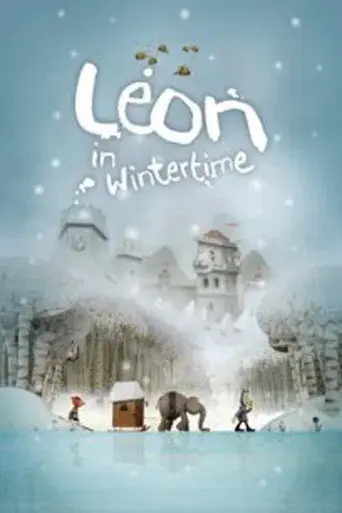
One winter, a ravenous ogre terrorizes the land of King Balthasar. Meanwhile, a blizzard is brewing in Léon’s heart. Braving the cold, this adopted bear cub runs away from home. Léon has many an adventure during his travels. He befriends a hedgehog and an elephant, confronts an ogre, and sets Princess Molly Gingerbread free. His courage and integrity eventually lead him back to his family. In the end, the cub earns everybody’s respect.
Leon in Wintertime

A little girl catches floral patterns with a magic cloth and uses them to make her own pretty dresses. Every night, ants move her house from one field to the next. One day, a seed drops into her mouth and a young shoot sprouts from her navel.
The Little Seed
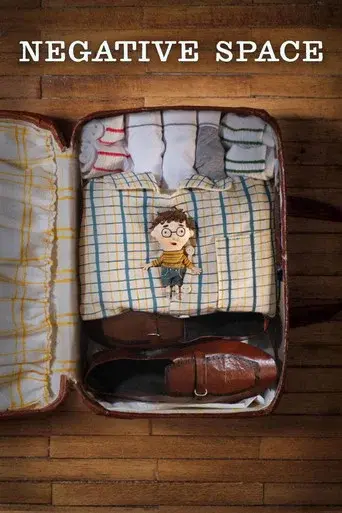
Even though Sam's father is hardly ever home because he is often away on business trips, he is able to connect with his son by teaching him how to pack a suitcase.
Negative Space
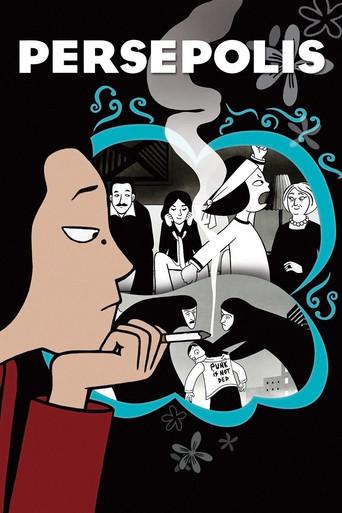
In 1970s Iran, Marjane 'Marji' Satrapi watches events through her young eyes and her idealistic family of a long dream being fulfilled of the hated Shah's defeat in the Iranian Revolution of 1979. However as Marji grows up, she witnesses first hand how the new Iran, now ruled by Islamic fundamentalists, has become a repressive tyranny on its own.
Persepolis

An old man recounts: I have always worn glasses. Even in the camp, I managed to keep them. We feared the night almost as much as the day. One night, they brought in a newcomer, a bearded man. His drawings over the days had become essential to us. The guards did not understand that only death would prevent him from drawing. All that remains of the camp is this piece of wall, with his last drawing, which he called "Ligne de vie (Lifeline)."
Ligne de vie

When the tsunami comes, he is strangely enough perfectly calm. In the boundary between life and death, the details become so important.
Eaux fortes
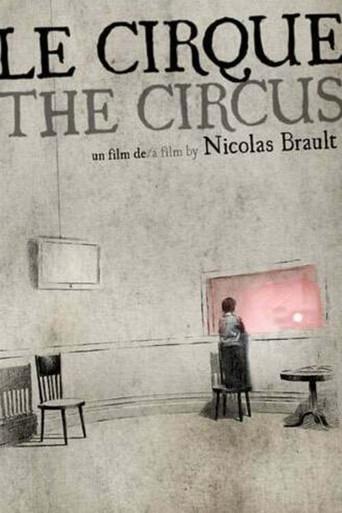
In the vestibule of a hospital room, a young boy waits to see his dying mother. The clamor and spiralling movements of bodies around him intensify, forming a grotesque circus—a cacophonous circle that pushes the child back, depriving him of one final touch of his mother's hand. Using rotoscoped drawings suggestive of charcoal sketches, as well as 3D and object animation techniques, The Circus compels viewing with its unsettling realism. Colour is employed metaphorically to subtly express the promise and the memory of maternal affection. Nicolas Brault's highly personal film, suffused with poetic modesty, casts a poignantly sincere gaze on the heartbreak of a child facing the fearful, mysterious experience of his mother's death.