

Overview
Prague faces the challenge of a new zoning plan. The city's development leads to conflicts between the private developer lobby, city residents, and elected officials. By following several years of town council meetings, the film paints an image of a public policy apparatus that ignores the role of the urban planner. Using a journalistic approach, the filmmaker attempts to depict all points of view, although in the end the dominant perspective is of those who believe in the city as an expression of culture and quality of life.
Key Film Crew
Production Stats
You May Also Like

A short documentary exploring the UK’s 1970s approach to urban renewal through General Improvement Areas. Mixing location footage from Blackburn, Norwich, and Oxford with unexpectedly quirky presentation, the film contrasts small-scale housing improvements with the sweeping redevelopment schemes of the post-war era. Produced as a government public information film and shown at meetings between planners, architects, and residents, it stands as a modest, humane entry in Britain’s civic-minded documentary tradition.
Not So Much a Facelift…


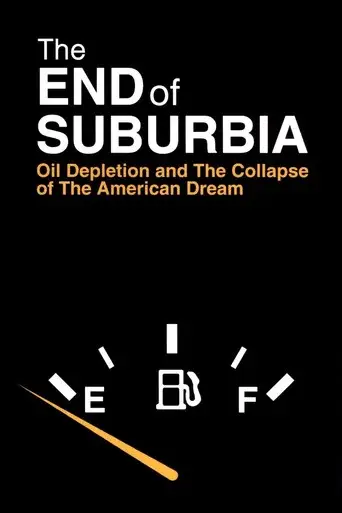
Since the end of World War II, one of kind of urban residential development has dominate how cities in North America have grown, the suburbs. In these artificial neighborhoods, there is a sense of careless sprawl in an car dominated culture that ineffectually tries to create the more organically grown older communities. Interspersed with the comments of various experts about the nature of suburbia
Radiant City
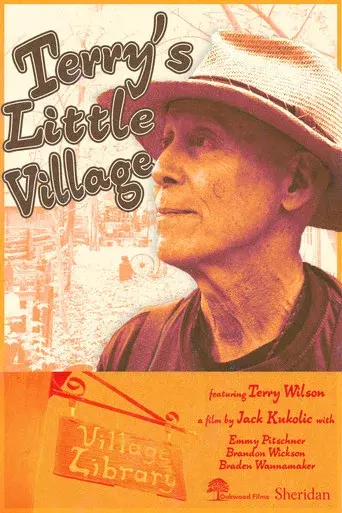
Terry Wilson is a 70-year-old lifelong resident of Meadowvale Village, Ontario's first heritage district. As development looms and begins to destroy Terry's favourite place in the world, he recreates pieces of history in his backyard, crafting an oasis where it feels like nothing has changed. A beautiful tribute to his childhood, his mother, and his town, Terry passionately fights to preserve history in a world that's too anxious for change.
Terry's Little Village

In the new world of high-speed highway driving, there are a host of new dangers to take into account.
Boobytrap!
Rotterdam 2040 is a film about the city’s future, departing from the principle of Gyz La Rivière that you can’t look ahead without considering your past (something that hasn’t always been Rotterdam’s strongest feature). At high speed, La Rivière reconstructs the history of Rotterdam from the time before the bombings until now, and expands the developments to the year 2040 (100 years after the bombing and the 700th anniversary of the city). La Rivière made a specific choice to expose his personal vision, which is sometimes radical or a little absurd. So no experts and no talking heads, but an assault of old and new imagery, held together by La Rivière as the narrator of the film. Although Rotterdam 2040 deals with architecture and urban renewal, it is actually a film about people. The subjective experience of the city by its (future) occupants mainly determines the parade of architectural blunders and suggestions for the future. All tongue-in-cheek of course.
Rotterdam 2040
In Mumbai, once an island city linked by the sea, modern bridges and land reclamation have reshaped the landscape, disrupting the lives of its original communities.
Lost Songs of Sundari

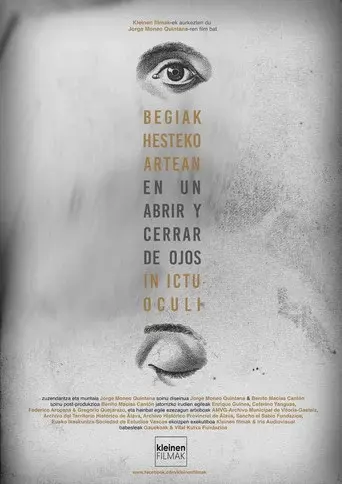
The six-decade transformation of a block of houses, shown by means of artfully featured archival shots, highlights the beauty and sadness of human-made decay. In the blink of an eye 66 years pass by and a savings bank replaces a church.
In Ictu Oculi

The city of Edmonton is under pressure to deal with the problems related to housing, development, and traffic.
City Under Pressure

In her feature directorial debut, Kalyanee Mam, the cinematographer for the Academy Award–winning documentary Inside Job, explores the damage rapid development has wrought in her native Cambodia on both a human and environmental level.
A River Changes Course

As development encroaches on a farming community, they struggle with the loss of their heritage and land.
GONE

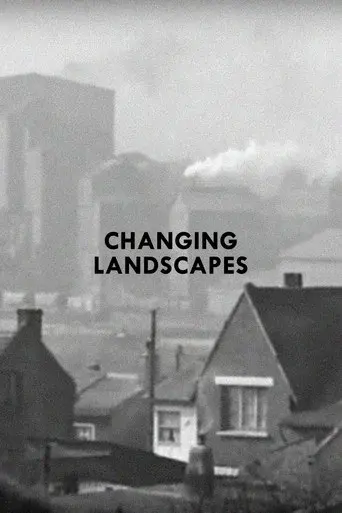
A sophisticated and beautifully constructed account of landscape change in and around Paris in the early 1960s. The film raises complex issues about the meaning and experience of modern landscapes and the enigmatic characteristics of features such as canals, pylons and deserted factories. Rohmer also explores the role of landscape within different traditions of modern art and design and refers to specific architects, artists and engineers.
Changing Landscapes
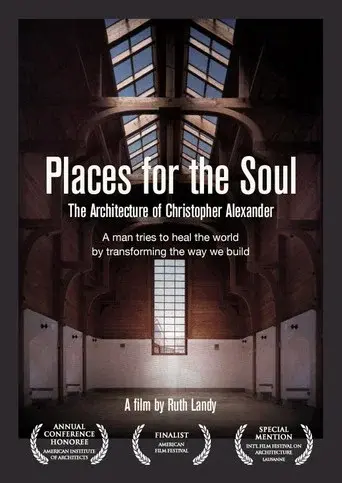
An intimate portrait of Christopher Alexander, a critic of modern architecture on a lifelong quest to build harmonious, livable places in today’s world. The film tells the story of two projects – a spectacular high school in Japan and an innovative homeless shelter in California. For Alexander, feelings come first, users are deeply engaged and process is paramount. We discover what happens when an architect’s unconventional method collides with standard practices in his profession.