
Jazz: The Only Way of Life
Overview
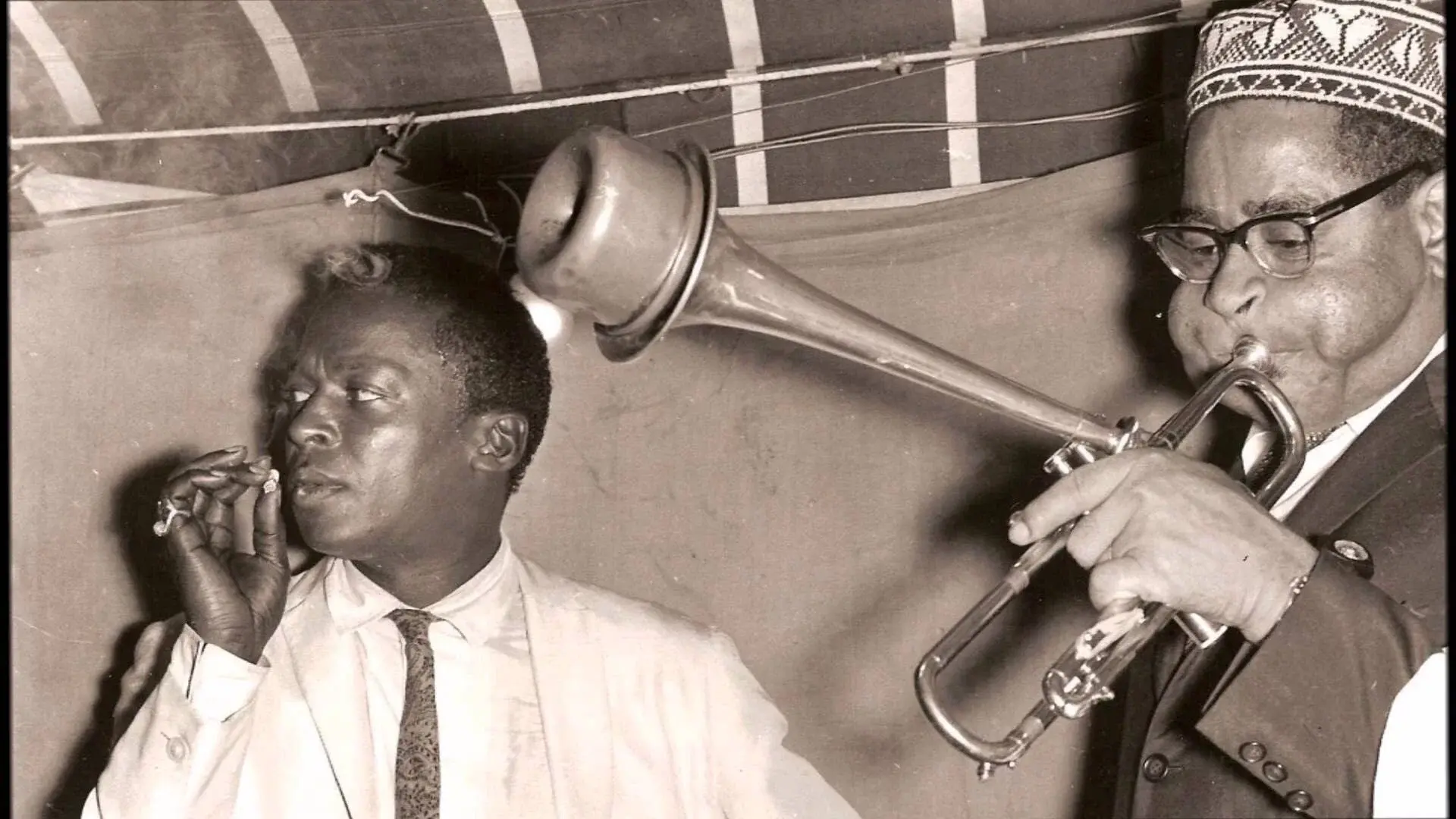
Dizzy Gillespie is one of the major figures of the 20th Century's music scene. Everything was once said or written about this genius musician, founder of the Bebop. Whereas his public life is known from most, many ignore about the modest side of his character and the story of his long and deep friendship with a man rather unknown from the general public, the Swiss engineer Jacques Muyal. Through previously unrevealed archives as well as musical extracts, this documentary explores the story of the friendship between a genius trumpeter and a man crazy about Jazz.
Top Cast
Jimmy Heath
Self (archive footage)

Randy Weston
Self (archive footage)

Dizzy Gillespie
Self (archive footage)
Paquito D'Rivera
Self (archive footage)
Key Film Crew
Production Stats
You May Also Like
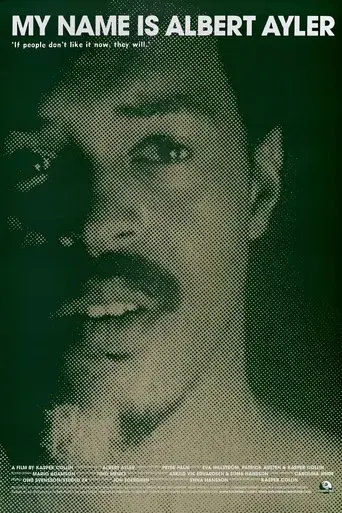
The prophetic jazz saxophonist Albert Ayler, who today is seen as one of the most important innovators in jazz, was obsessed with his radical music and by the thought that people one day would understand it. In 1962 he recorded his first album in Sweden. Eight years later he was found dead in New York's East River, aged 34. (TCM)
My Name Is Albert Ayler

Everyone mentions her when asked who the 1st generation of jazz musicians is in Korea, adding that jazz wouldn't have been continued in Korea if not for her. It's Park Seong-yeon, the musician who ran Korea's first jazz club - Club Janus - and she provided it for other musicians to perform. Diva Janus follows the late Park's footsteps through her past and interviews by her peer musicians.
Diva Janus

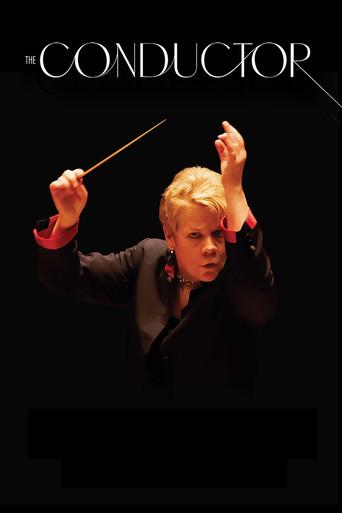
Leonard Bernstein’s protégée Marin Alsop reveals how she smashed the glass ceiling to become an internationally renowned conductor.
The Conductor

Until Reese Witherspoon’s Oscar-winning portrayal of her in the Johnny Cash biopic Walk the Line, most contemporary audiences were unfamiliar with June Carter Cash. Kristen Vaurio’s comprehensive documentary June offers a much fuller understanding of the multitalented artist, singer, songwriter, comedian, and actress. Delightful, never-before-seen archival material reveals June’s firecracker wit and charisma as a performer
June
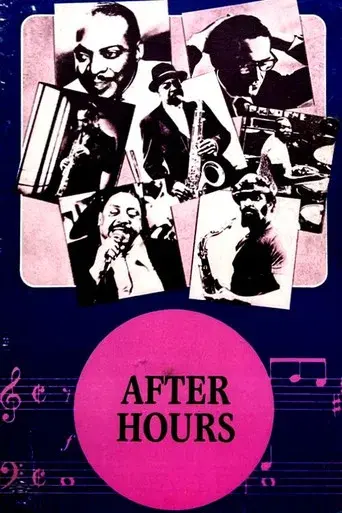
Documentary short showcasing the genius of jazz greats Coleman Hawkins, Roy Eldridge, Cozy Cole, and Milt Hinton, among others.
After Hours
The director goes back to her roots in Pangnirtung, amongst her family and community. It leads her to another journey: to Qipisa, the outpost camp from where they were uprooted.
Qipisa
Stockholm Syndrome chronicles the meteoric rise of contemporary trendsetter A$AP Rocky, capturing the exuberance of youth and urgency of hip-hop in equal parts, before taking a detour into darkness. With amazing access, the film reveals Rocky’s experience with the inequities of the Swedish judicial system and the dangers of stardom and scapegoating through a series of twists and turns, ultimately paralleling the need for prison reform in our own backyard. Directed by The Architects, the film blends archival footage with contemporary interviews, animation, and electrifying live concert footage to tell the astonishing story of how one of rap’s biggest superstars became embroiled in an international incident, leading to an unexpected political awakening.
Stockholm Syndrome

An intimate look at the Woodstock Music & Art Festival held in Bethel, NY in 1969, from preparation through cleanup, with historic access to insiders, blistering concert footage, and portraits of the concertgoers; negative and positive aspects are shown, from drug use by performers to naked fans sliding in the mud, from the collapse of the fences by the unexpected hordes to the surreal arrival of National Guard helicopters with food and medical assistance for the impromptu city of 500,000.
Woodstock

In 2017, 20 years after Hype! (1996), filmmaker Doug Pray made a new short documentary featuring updated conversations with some of the personalities and bands who participated in the original documentary about the Seattle music scene and the Grunge movement.
Hype! 20 Years After
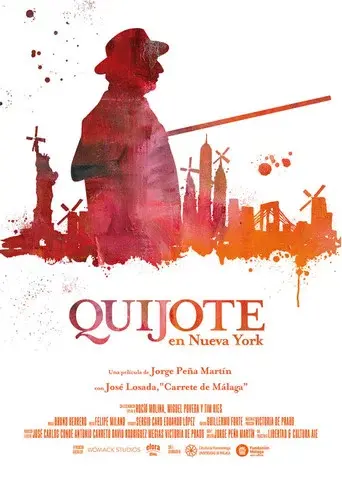
At the age of eighty-two, Carrete wants to fulfil a dream before the end of his career as a dancer: to perform in a great theatre in New York. Despite his tireless enthusiasm, his health tells him that his days as a flamenco master are coming to an end. His art saved him from starvation and the cinemas sheltered him from the cold during the Spanish post-war period. And it was on the big screen that he met his admired Fred Astaire, who settled in his imagination as a fantasy to aspire to. And as he awaits his long-awaited American adventure, Carrete looks back on his past. Joaquín, one of his sons, who was a talented guitarist and whose hopes were dashed by prison, wants to play again. Father and son try to find each other again, while the mirage of the giant skyscrapers fades away, revealing the reality.