

Overview
In an era of activism, filmmaker Connor Luke Simpson enters the world of Fat Acceptance, a provocative social movement that is seeking to change the negative perception of obesity. Is everything we know about obesity wrong, or, will this movement just become a footnote in the history books?
Top Cast

Steve Miller
Himself
Miriam Stoppard
Herself
Christopher Salute
Himself

Tess Holliday
Herself (Archive)
Carmen Ligato Jr.
New York Radio Host (voice)
Jocelyn Phillips
Herself
Lorna Connolly
Herself
Evelyn Fields
Herself
Key Film Crew
Production Stats
You May Also Like
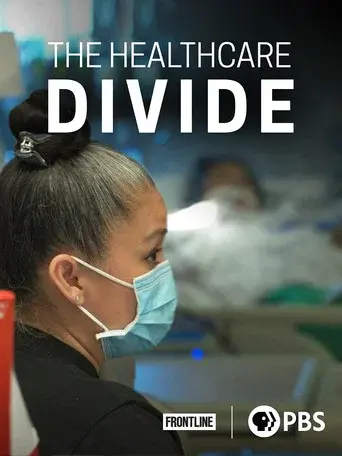
FRONTLINE and NPR investigate the growing inequities in American healthcare exposed by COVID-19. The Healthcare Divide examines how pressure to increase profits and uneven government support are widening the divide between rich and poor hospitals, endangering care for low-income populations.
The Healthcare Divide


Danna, a young college student, and Yael, a woman with an intellectual disability, are forced to face the difficulties that arise in their love lives. In the end, they realize that their bond with each other is what gives them both the support they need.
Unwell Mind


Cindy Crawford returns to the exercise game with her 2000 release A New Dimension. She planned the video as a guide to getting back in shape after giving birth. Viewers with that same plan should find the lesson helpful. Trainer Kathy Kaehler, also a new mom, assists with the workout. There are three different segments featuring various levels of difficulty. The first incorporates stretching and some movements like lunges and squats. The second part is a slightly longer aerobic set with simple steps. Workout B ends with more toning and balance exercises. The last segment is mainly a stamina test for both cardio and muscle endurance. Though the steps are more complicated, they are never very difficult. Overall, A New Dimension can be used in parts or run together for an entire hour of exercise.
A New Dimension

Why are so many people wheat-intolerant or sensitive to wheat? And why is wheat linked to so many modern-day health problems, when it has been a staple of the human diet for thousands of years? In this documentary, a nutritionist interviews 14 experts, to understand how wheat has changed since it was first cultivated, how these changes could be affecting human health, and how people can break a dietary cycle that could be making them sick.
What's With Wheat?

Morgan Spurlock subjects himself to a diet based only on McDonald's fast food three times a day for thirty days without exercising to try to prove why so many Americans are fat or obese. He submits himself to a complete check-up by three doctors, comparing his weight along the way, resulting in a scary conclusion.
Super Size Me

Initially airing on HBO's "America Undercover" series, this riveting documentary focuses on three families shattered by the psychiatric disorder of schizophrenia. Subjects "Bob," "Missy" and "Steven" have lived for over a decade with schizophrenia. The film documents the difficult day-to-day existence of both those afflicted with this order and the families searching for answers to their loved ones' suffering. This film also shows the varied and variably successful treatment methods for each of the subjects—one is placed in a group home, one is placed in an institution, and one is cared for at home. The documentary was critically acclaimed for its compassionate treatment of mental illness.
Into Madness
'After Haiyan' is a short film about the challenges faced by the Deaf community in Tacloban, Philippines accessing disaster relief, medical care, and basic services after Typhoon Haiyan, known locally as Yolanda.
After Haiyan

This 1959 documentary short is a frank portrait of the daily operations inside the Montreal General Hospital’s emergency ward.
Emergency Ward

The world is facing a “pandemic” of chronic disease – heart disease, diabetes, cancer, obesity, asthma, kidney and liver disease, Alzheimer’s, autoimmune diseases, allergies and skin conditions and many, many more. This year more than 36 million people will die from degenerative conditions – more than from all other causes put together*, and that number is expected to rise to over 50 million within 15 years. At the same time, the amount spent trying to treat these diseases with pharmaceutical drugs is expected to rise by 50% to more than $1.2 trillion! One summer Jason Vale took eight people who collectively suffered from 22 different chronic diseases and put them on his ‘Juice Only’ diet for 28 days. Could these different diseases with their many different prescribed drugs be improved and even cured by one thing? Maybe it’s time to get Super Juiced!
Super Juice Me!
Produced in 1967, this black and white film is an inmate's view of Daytop, a drug treatment centre on Staten Island, New York, where addicts learn to get along without drugs. Uncompromising, often brutal group therapy sessions are designed to shake loose the excuses a victim makes for himself. The people and situations shown are authentic; only one actor was employed. The results obtained at Daytop are regarded by some psychiatrists as a breakthrough.
The Circle
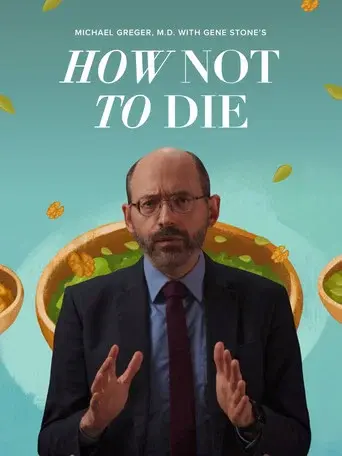
The majority of premature deaths can be prevented through simple changes in diet and lifestyle. In How Not to Die, Dr. Michael Greger examines the fifteen top causes of death in America-heart disease, various cancers, diabetes, high blood pressure, and more. He explains how nutrition and lifestyle can sometimes trump prescription pills and other approaches, freeing us to live healthier lives.
How Not to Die


“Food Relovution: What We Eat Can Make A Difference” is an eye-opening and compelling feature documentary that examines the consequences of the meat culture as concerns grow about health, world hunger, animal welfare and the environmental cost of livestock production. It aims to show how these global issues affect everyone and are interrelated, and how making our food choices with a sense of awareness, knowing what we are buying and what we are eating is the first fundamental step towards a better world.
Food ReLOVution

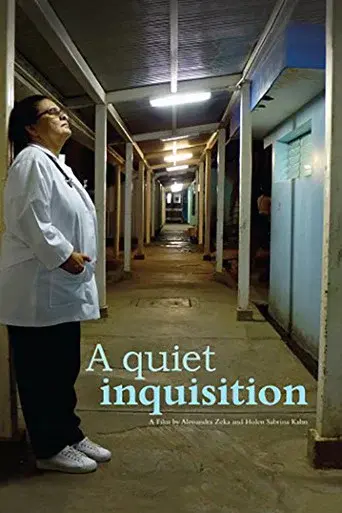
At a public hospital in Nicaragua, Ob/Gyn Dr. Carla Cerrato must choose between following a law that bans all abortions and endangers her patients or taking a risk and providing the care that she knows can save a woman's life. In 2007, Dr. Cerrato’s daily routine took a detour. The newly elected government of Daniel Ortega, a former Marxist revolutionary who converted to Catholicism to win votes, overturned a 130-year-old law protecting therapeutic abortion. The new law entirely prohibits abortion, even in cases of rape, incest, or when a woman’s life is at stake. As Carla and her colleagues navigate this dangerous dilemma, the impact of this law emerges—illuminating the tangible reality of prohibition against the backdrop of a political, religious, and historically complex national identity. The emotional core of the story—the experiences and situations of the young women and girls who are seeking care—illustrate the ethical implications of one doctor's response.