
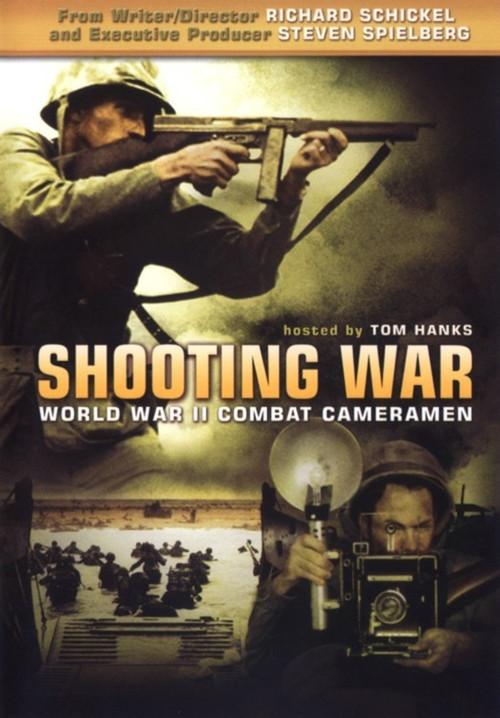
Shooting War
Overview
A remarkable film that takes a special look at the first war to be truly reported and recorded by one of the more unsung heroes of World War II: the combat photographer. Through the unflinching eye of their camera's lenses, these courageous soldiers continually risked their lives in their brave attempts to capture history.
Top Cast

Tom Hanks
Narrator
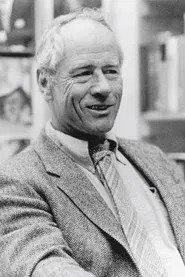
Stephen E. Ambrose
himself
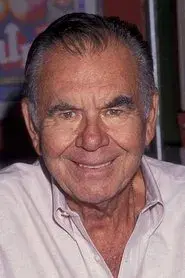
Russ Meyer
himself
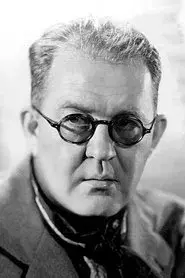
John Ford
himself
Key Film Crew
Production Stats
You May Also Like


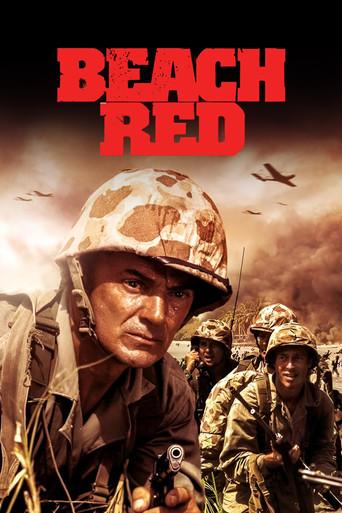
American troops storm ashore on a Japanese-held island and push inland while their enemies plan a counterattack in this look at warfare. Soldiers on both sides are haunted by memories of home and the horrifying, sickening images they find in combat.
Beach Red
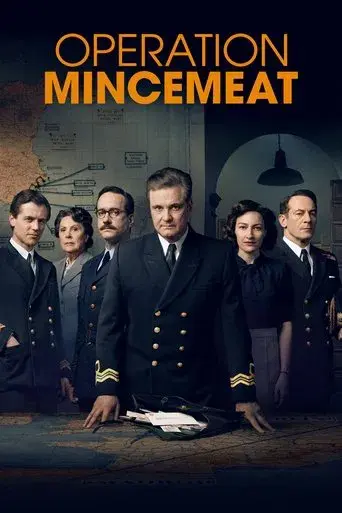
In 1943, two British intelligence officers concoct Operation Mincemeat, wherein their plan to drop a corpse with false papers off the coast of Spain would fool Nazi spies into believing the Allied forces were planning to attack by way of Greece rather than Sicily.
Operation Mincemeat
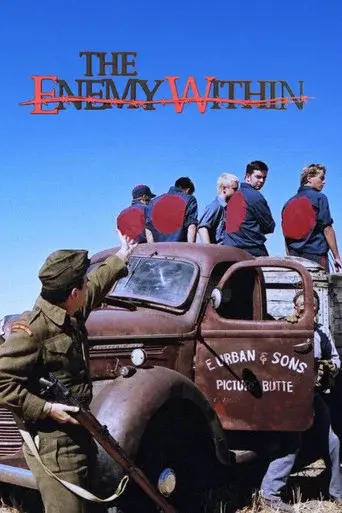
Filmmaker Eva Colmers' father Theo Melzer spent three and a half years in a POW camp in Lethbridge, Alberta -- one of 25 such camps across Canada housing German prisoners captured during World War II. Surviving prisoners, including Melzer, recount how their lives were changed by the unexpected respect and dignity they received at the hands of their Canadian captors.
The Enemy Within

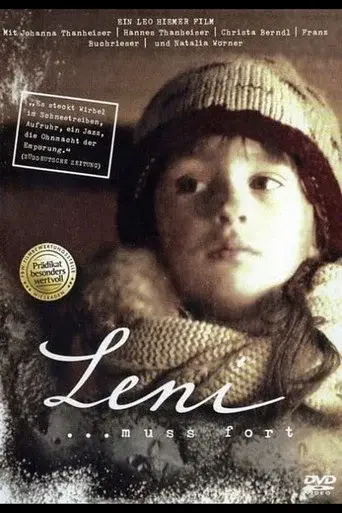
A historical drama about a Jewish child who is adopted by a German couple and is eventually removed from the home.
Leni

The execution of 200 Greek resistance fighters by the German occupiers on May 1st, 1944 in Kaisariani, as reprisal for the Greek Resistance ambush against Nazis.
The Last Note

Paris, June 1940. The de Gaulle couple is confronted with the military and political collapse of France. Charles de Gaulle joins London while Yvonne, his wife, finds herself with her three children on the road of the exodus.
De Gaulle
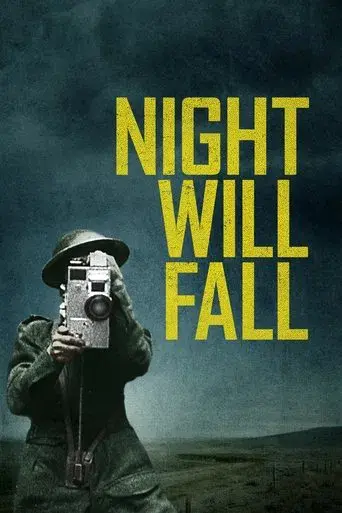
When Allied forces liberated the Nazi concentration camps in 1944-45, their terrible discoveries were recorded by army and newsreel cameramen, revealing for the first time the full horror of what had happened. Making use of British, Soviet and American footage, the Ministry of Information’s Sidney Bernstein (later founder of Granada Television) aimed to create a documentary that would provide lasting, undeniable evidence of the Nazis’ unspeakable crimes. He commissioned a wealth of British talent, including editor Stewart McAllister, writer and future cabinet minister Richard Crossman – and, as treatment advisor, his friend Alfred Hitchcock. Yet, despite initial support from the British and US Governments, the film was shelved, and only now, 70 years on, has it been restored and completed by Imperial War Museums under its original title "German Concentration Camps Factual Survey".
Night Will Fall
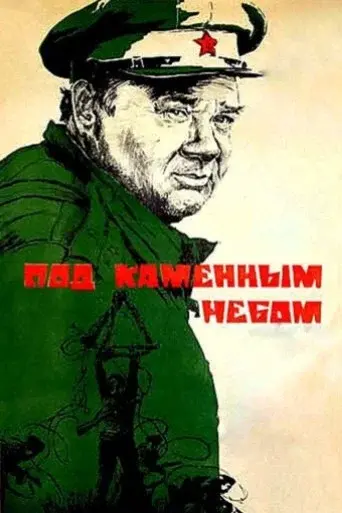
In the autumn of 1944, contrary to the order of the Nazi command to evacuate to the south, residents of the Norwegian town of Kirkenes took refuge in an abandoned mine. The command of the Soviet Army became aware of the intentions of the Nazis to blow up the old tunnels of the city, but the Soviet soldiers managed to prevent the tragedy.
Under a Stone Sky

The code to unlocking this feature documentary is 1949, the year the director was born, and also the year of the return of Soviet repressions to Latvia. The film tells a very personal story against the background of less visited historic events – the death of director’s father due to the KGB repressions, which is closely linked to the devious game Soviet Latvia’s KGB played against Swedish-British-American spy agencies.