Daniel, une vie en bouteille
Overview
No overview summary available for this movie.
Key Film Crew
Production Stats
You May Also Like

In a cold French city where suicide is a common urge, there is a colorful shop, managed for many years by the Tuvache family, where it is very easy to obtain the necessary tools to satisfy the sinister desires of so many depressed citizens.
The Suicide Shop

In 1950s Italy, two middle-aged brothers go on a magical odyssey through their past as they take part in the world's most beautiful car race: the Mille Miglia.
The Thousand Miles
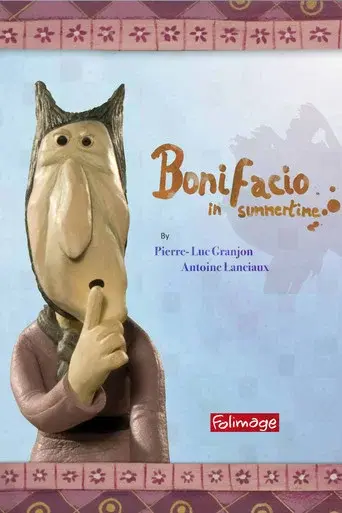
Love has packed up and left the castle. The queen has snuck back to her Kingdom of Skedaddle. But one person’s loss is a scoundrel’s gain: Bonifacio, a teller of tall tales, sees in the forlorn queen the perfect target for his hackneyed charms. As summer approaches, he changes himself into a sweet talker and sings her praises. Things would have worked out perfectly if only Princess Molly hadn’t arrived on the scene. While visiting her mother, she quickly discovers the hoax: the queen thinks she’s found a new husband in Bonifacio. But the swindling storyteller is really only interested in the kingdom’s legends.
Bonifacio in Summertime
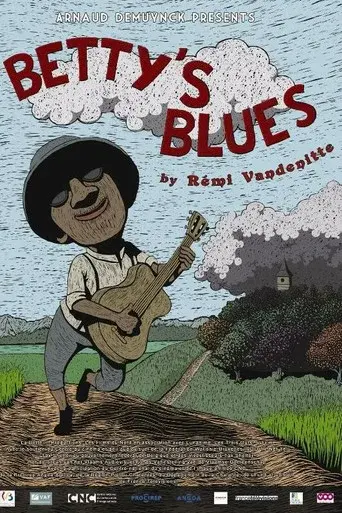
The story begins in the basement of a worn-out blues bar in Louisiana in the 1980s. A few regular customers are having a drink. A guitarist gets on stage and everybody comments on the newcomer. The guitarist draws the attention of the audience by tapping the microphone. He introduces himself. He will tell them the true story of Blind Boogie Jones.
Betty's Blues

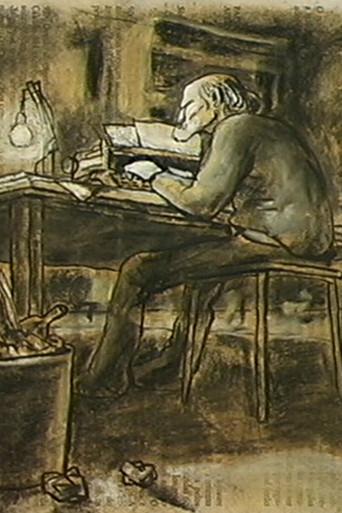
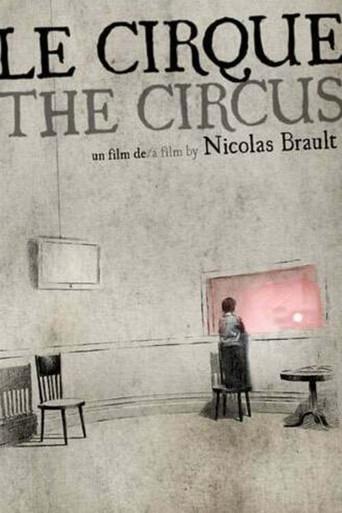
In the vestibule of a hospital room, a young boy waits to see his dying mother. The clamor and spiralling movements of bodies around him intensify, forming a grotesque circus—a cacophonous circle that pushes the child back, depriving him of one final touch of his mother's hand. Using rotoscoped drawings suggestive of charcoal sketches, as well as 3D and object animation techniques, The Circus compels viewing with its unsettling realism. Colour is employed metaphorically to subtly express the promise and the memory of maternal affection. Nicolas Brault's highly personal film, suffused with poetic modesty, casts a poignantly sincere gaze on the heartbreak of a child facing the fearful, mysterious experience of his mother's death.
The Circus
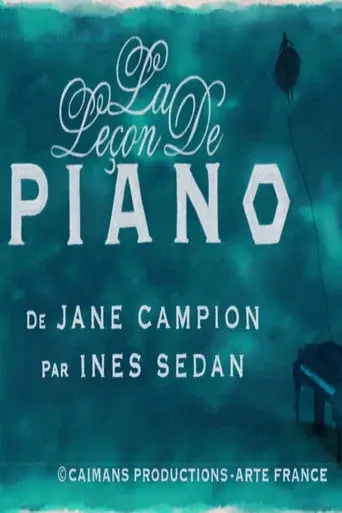
Jane Campion's "The Piano", Palme d'Or at Cannes in 1993, retold in a single minute of animation by Inés Sedan.
Short Cuts: The Piano

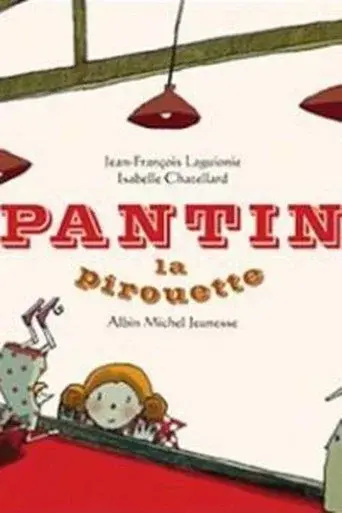

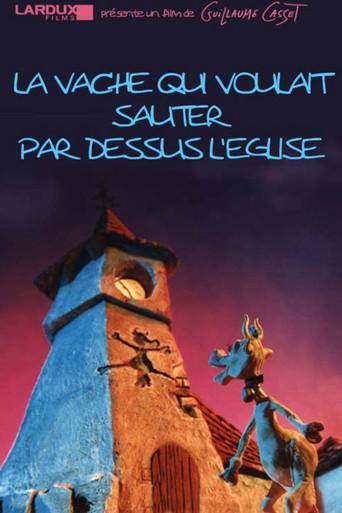

Every day, with the help of a small chick, a little girl with dog ears tries to hide eggs in order to keep them from being eaten.
The Smell of Wet Dog

One winter, a ravenous ogre terrorizes the land of King Balthasar. Meanwhile, a blizzard is brewing in Léon’s heart. Braving the cold, this adopted bear cub runs away from home. Léon has many an adventure during his travels. He befriends a hedgehog and an elephant, confronts an ogre, and sets Princess Molly Gingerbread free. His courage and integrity eventually lead him back to his family. In the end, the cub earns everybody’s respect.
Leon in Wintertime

"The Role of Chance" ("La part du hasard") focuses exclusively on drawing and painting techniques used by the painter Henri Dimier. Shot over several weeks in the same artist's studio, the film shows works in their different phases, processes rarely explained or little known. It also addresses many practical issues (choice of paper, pigment grinding, reports drawings, put the tiles, cliches, etc) as well as broader questions of method and inspiration (use of space, the role of contours, power of suggestion perspectives, use of random processes). Patrick Bokanowski sought with this film to restore the spirit of this teaching, showing how to bend a note or sometimes revealing an essential mystery of creation.
The Role of Chance
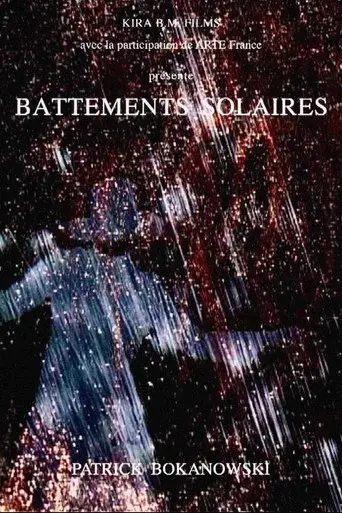
Walking towards the fire. In a ceaseless stream of light, people, landscapes and objects lead us to mysterious regions. French filmmaker Patrick Bokanowski’s work is hard to classify - and all the richer for it. Together with his wife Michèle, whose musique concrète compositions form the basis of the sound design, Bokanowski offers a prolonged, dense and visually visceral experience of the kind that is rare in cinema today. Difficult to define and locate, its strangeness is quite unique.