

In Search of Oz
Overview
BBC 2 produced this documentary on the Oz books of L. Frank Baum and the films and fantasies that they inspired, particularly the first book `The Wonderful Wizard of Oz'. Includes clips from the several silent film versions of the stories produced by Baum that have survived as well as the 1939 film with Judy Garland, and interviews with such enthusiasts as Salman Rushdie, Gore Vidal, Ray Bradbury, Geoffrey Ryman and Nora Ephron.
Top Cast

Robert A. Baum Jr.
Self
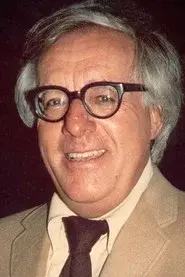
Ray Bradbury
Self

Martha Coolidge
Self
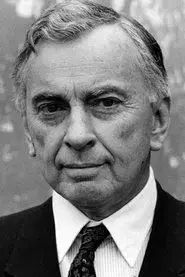
Gore Vidal
Self
Key Film Crew
Production Stats
You May Also Like

What is true and what is false in the hideous stories spread about the controversial figure of the Roman emperor Gaius Julius Caesar Augustus Germanicus (12-41), nicknamed Caligula? Professor Mary Beard explains what is accurate and what is mythical in the historical accounts that portray him as an unbalanced despot. Was he a sadistic tyrant, as Roman historians have told, or perhaps the truth about him was manipulated because of political interests?
Caligula with Mary Beard

A group of disabled actors prepare for and perform a one night only performance of The Wizard of Oz.
Yellow Brick Road


The Wizard of U.S. is a social satire - an animated documentary about emotions, based on themes from the popular American novel "The Wizard of OZ", in order to illustrate how Los Angeles makes the American Dream come true. The film describes the observations, dilemmas and adventures shared by all of those, who just like Dorothy - the main character-want to be "the voice of their generation" and try their luck in Hollywood. This is the hyper-realistic America, with all its attractions, such as living "at full capacity", the enthusiasm and embarrassingly white smiles of "the local people" seen through the eyes of a "stranger" from Europe. Using the factual interviews with the inhabitants of Los Angeles, observing their everyday life, habits and behavior, after three years of having survived in L.A. the director reveals the thrills and absurdities that govern the world of the big stakes and unleashed dreams the way it is all perceived by an immigrant from Europe.
The Wizard of U.S.


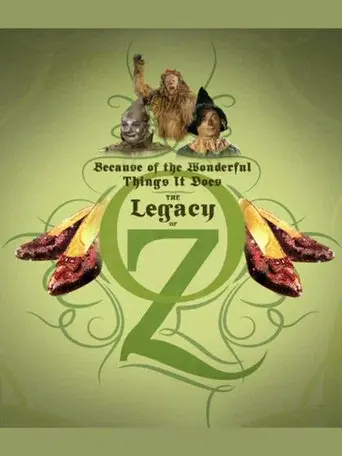
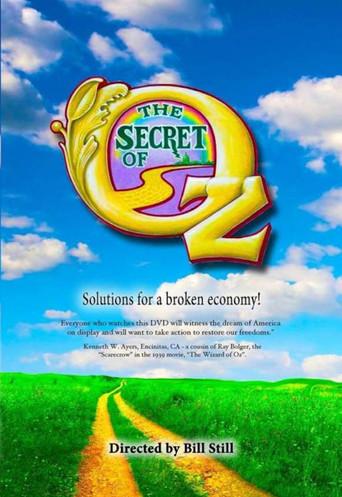
It is well known in economics academia that The Wonderful Wizard of Oz written by L. Frank Baum in 1900 is loaded with powerful symbols of monetary reform which were the core of the Populist movement and the 1896 and 1900 president bid of Democrat William Jennings Bryan. The yellow brick road (gold standard), the emerald city of Oz (greenback money), even Dorothy’s silver slippers (changed to ruby slippers for the movie version) were the symbol of Baum’s and Bryan’s belief that adding silver coinage to gold would provide much needed money to a depression-strapped, 1890s America. We believe Baum’s symbols represent the only solution to relieve the growing economic hardship here in America – and the rest of the world. Practically speaking, 2009 marks the 70th anniversary of the 1939 MGM release of the The Wizard of Oz movie, so interest will be very high. Even Oz websites put up by kids get millions of hits.
The Secret of Oz


THE SLIPPERS pulls back the Wizard’s curtain on the unbelievable story and cultural impact of Dorothy's Ruby Slippers from The Wizard of Oz. Through first-hand accounts and archival interviews, THE SLIPPERS will detail the life of the Ruby Slippers after their sale at the famed 1970 MGM auction. Discovered by costumer Kent Warner, it is unclear how many pairs were found and how many pairs exist. That mystery has only helped to propel the shoes to the forefront of the Hollywood memorabilia market. They have been bought, stolen, and coveted by many. They are considered the most important piece of Hollywood memorabilia and the catalyst for the creation of Hollywood memorabilia collecting.
The Slippers


Follows two young women as they decide to leave behind ordinary life and start their journey to becoming nuns.
Young Nuns

Douglas Davis presents his interpretations of The Maltese Falcon (1941), The Wizard of Oz (1939), and Napoleon in the triptych style of the finale of the Abel Gance version of the latter.

