

Vive la Revolution! Joan Bakewell on May '68
Overview
In 1968 Joan Bakewell was one of the few female TV presenters, fronting the BBC's Late Night Line-Up and addressing daily the most pressing issues of the time. In this film she looks back at the events that led to what for many became the defining event of that extraordinarily turbulent year - the protests in France in May. While the rest of the world was in turmoil, with the Vietnam War causing increasing dissent, the Civil Rights movement growing in intensity and young people finding new ways of expressing themselves, as 1968 began it seemed to France's president, General de Gaulle, that his country was immune to the kind of protest sweeping the rest of the world.
Top Cast

Joan Bakewell
Presenter
Key Film Crew
Production Stats
You May Also Like
What's it like to "make a family" when you're not part of the traditional hetero couple? Can two best buddies living on the same floor become a family? Océan and his best friend Sophie-Marie Larrouy will question their friendship, their desire for children and their ability to commit to each other, going to meet people who have made families "differently" to draw inspiration from them and invent their own model.
Faire famille

After five years studying in Paris, Arash has not adjusted to life there and has decided to return to Iran to live. Hoping to change his mind, his two friends Hossein and Ashkan convince him to take a last trip through France.
Before Summer Ends
Documentary film about the protests against the 1968 Davis Cup tennis match between Sweden and Rhodesia, in Båstad, Sweden. In a series of interviews, demonstrators and members of the Swedish government give their views on sport, politics and civil disobedience.
The White Game

In the heart of the Jura mountains, a call resounds through the forest. The silhouette of a Eurasian lynx creeps through the trees. A male is looking for its mate. Suddenly a call answers back. It is the beginning of the story of a lynx’s family we will follow over the seasons. While it is rare to come across this private feline, it is exceptional to discover its daily life in the wild.
Lynx

Journeying from the Pyrenees to the Alps, all around the mainland to Corsica, this is the story of the 'wild side' of France.
France: The Wild Side

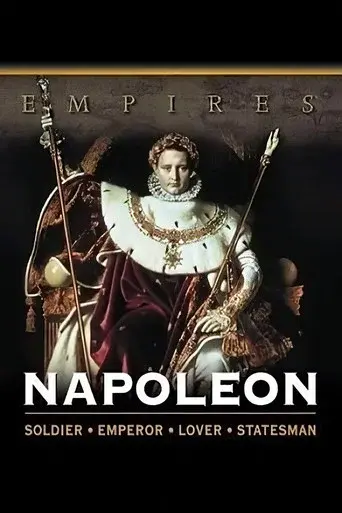
In David Grubin's NAPOLEON watch Napoleon's rise from obscurity to victories that made him a hero to the French people and convinced him he was destined for greatness. Learn of his love for Josephine Beauharnais, and his rise to Emperor. Witness his extraordinary achievements and ultimately his fall, his final battles, his exile to Elba, and his defeat at Waterloo. For nearly two decades he strode the world stage like a colossus -- loved and despised, venerated and feared. From his birth on the rugged island of Corsica to his final exile on the godforsaken island of St. Helena, NAPOLEON brings this extraordinary figure to life.
Napoleon

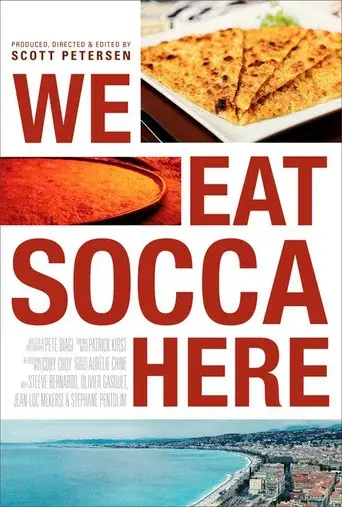
The hidden story of a savory local specialty found only on the French Riviera and the surrounding areas. Socca enjoys a historical and cultural significance that far outweighs its simple and rustic four ingredients. How Nice!
We Eat Socca Here
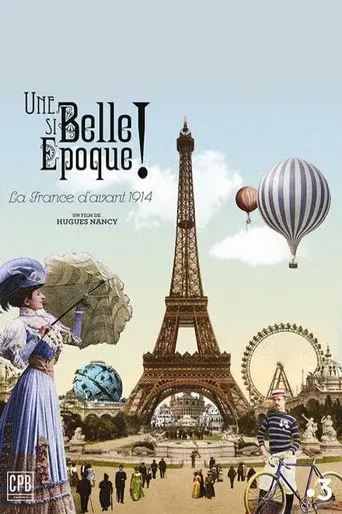
In 1900, the eyes of the whole world are on Paris. The World's Fair welcomed 50 million amazed visitors, and the city celebrated itself in a glamorous era. This period went down in history as the "Belle Époque." Elaborately restored and colorized historical photographs bring to life the exciting life in Paris between the end of the 19th century and the beginning of World War I in 1914. Bicycles, cars, airplanes, moving pictures, newly founded film studios, revolutionary composers and painters, avant-garde ballet performances, fashion houses, summer resorts on the Atlantic coast – life was intoxicating. People celebrate in the variety shows, cabarets, and revue theaters of Paris. Moulin Rouge, Folies Bergères, Bal Tabarin—in Paris, the nights are long and life is too short to sleep through. It is a dance on the volcano, given the political developments in the world.
Paris 1900
Contrasting radical mobs, anarchy, and 1960s counterculture with footage of American manufacturing and innovation, this film celebrates the concept of American exceptionalism and argues that anti-Vietnam War protesters were influenced by communism, atheism, and immorality. Set mostly in a university library, this political debate between a medical student, his 1770s ancestor, and a history professor is a sequel to the 1972 National Education Program film, Brink of Disaster! Two additional characters appear in this drama: a 19th-century steamboat captain, and the student’s grandfather - an early 20th-century automobile worker. The National Education Program at Harding College in Searcy, Arkansas created a variety of widely-distributed anti-communism films from the mid-1940s to the early 1970s.
Tragedy or Hope

A student is held up in the library while a riot rages outside. As SDS protesters head to burn the library down, he has to fend them off with his baseball bat. This film opens with actual footage of civil disturbances in the 1960s, and moves on to images of historical American figures.
Brink of Disaster!

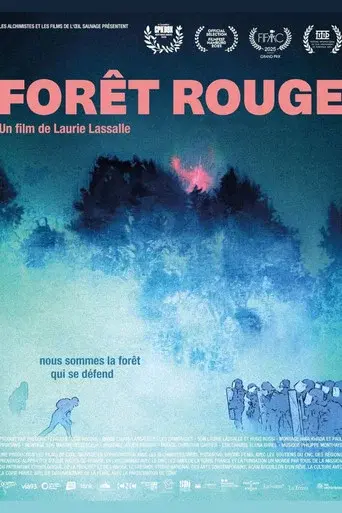
A poetic David and Goliath tale, where David is an eco-activist with shields, helmets and Molotov cocktails in the backpack. Director Laurie Lassalle documents the spirit and atmosphere with loyalty and an extraordinarily confident cinematic vision.
