

Overview
Wheel of Time is Werner Herzog's photographed look at the largest Buddhist ritual in Bodh Gaya, India.
Top Cast
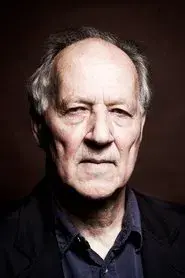
Werner Herzog
Narrator (voice)
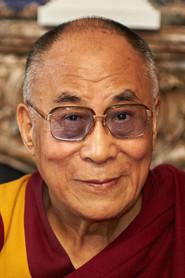
Tenzin Gyatso
Self

Lama Lhundup Woeser
Self
Takna Jigme Sangpo
Self

Matthieu Ricard
Self

Tenzin Dhargye
Self
Ven. Geshe
Self
Manfred Klell
Self
Chungdak D. Koren
Himself
Thupten Tsering Mukhimsar
Self
Madhureeta Anand
Self
Key Film Crew
Production Stats
You May Also Like
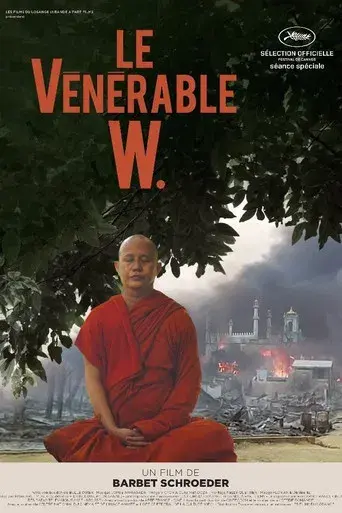
A view of the religious tensions between Muslims and Buddhist through the portrait of the Buddhist monk Ashin Wirathu, leader of anti-Muslim movement in Myanmar.
The Venerable W.
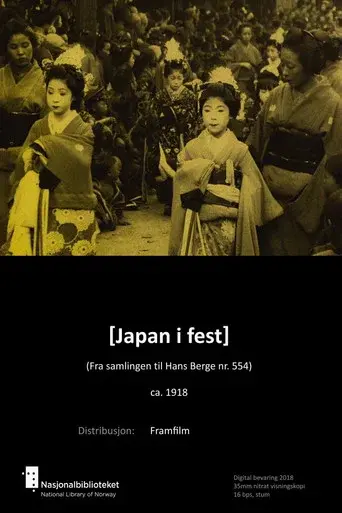
An actuality film showing a Buddhist festival in Kyoto. The procession includes Buddhist monks, geishas, and others dressed coordinately to the Japanese tradition.
Japan in Feast
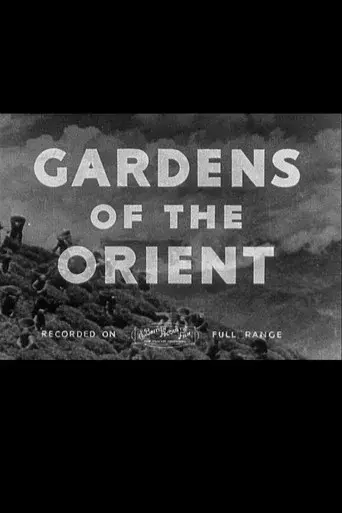
This portait of life on the tea plantations is decidedly rosy – clearly, there are no exploited workers here. However, the film provides an intriguing overview of tea production – from the planting of tea seeds to the final shipping of the precious leaves across the globe.
Gardens of the Orient

Varanasi is the Indian city where Hindus go to die. Stretching along the Ganges, Varanasi holds great spiritual significance because Hindu scriptutres say that anyone who dies there will attain moksha—liberation from the cycle of rebirth. Berlin-based director Dan Braga Ulvestad captures life and death in India’s heartland in this moving documentary filled with exquisite cinematic moments. By the River starts its narrative journey with the city’s “death hotels,” dedicated apartments where people wait to die, sometimes for decades, so they can be cremated on the banks of the Ganges.
By the River
A Zen priest in San Francisco and cookbook author use Zen Buddhism and cooking to relate to everyday life.
How to Cook Your Life

Vaastu Marabu documents the theory and practice of the Vaastu tradition of Indian art, architecture, craft and design. One of the foremost shilpis (designer-builder-sculpter) of India, Shri. V. Ganapati Sthapati of Mammallapuram, meditates on his art and his occupation. The film shows the process of making stone idols at Mammallapuram, near Madras, of casting bronzes in Kumbakonam, and of building stone temples at Kamudhi, near Madurai and at Ratnagiri, near Vellore. It illustrates the continuity of the tradition and reveals a technology that is ancient, yet still relevant today. The film explores the process of translating inner experience into art, and invites us to experience the naked beauty of the form while understanding the metaphysical message. The art of the Vishwakarma has given form and expression to all denominations of metaphysical thought in India. The film also probes the underlying scientific and mathematical principles.
Vaastu Marabu

Traveling the length and breadth of the country, S. Sukhdev constructs, a panoramic, non-narrated study of Indian life in the late 1960s. Shot across villages, deserts, countryside, and cities, the film observes daily labor, leisure, and movement without commentary, allowing humor, contradiction, and social texture to emerge organically. The result is a sensory encounter with India poised between inherited tradition and accelerating modernity.
An Indian Day
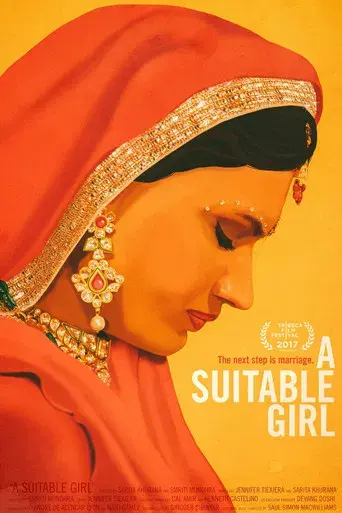
A Suitable Girl follows three young women in India struggling to maintain their identities and follow their dreams amid intense pressure to get married. The film examines the women's complex relationship with marriage, family, and society.
A Suitable Girl
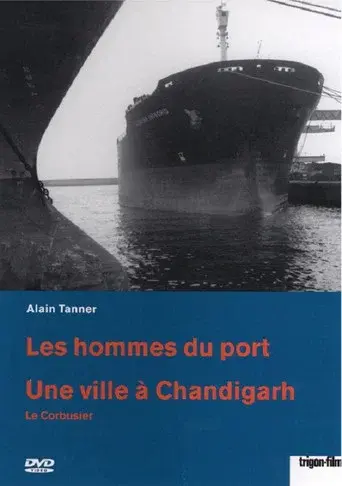
Documentary on the construction of Chandigarh, the new capital of the Indian Punjab region, planned by Albert Mayer and Swiss architect Le Corbusier.
A City at Chandigarh

The Jarawas live in the Andaman Islands on the Indian Ocean. The origin of the tribe is in Africa some 70,000 years back. They have lived in almost perfect isolation from the rest of the world until recent times.
We are Humanity
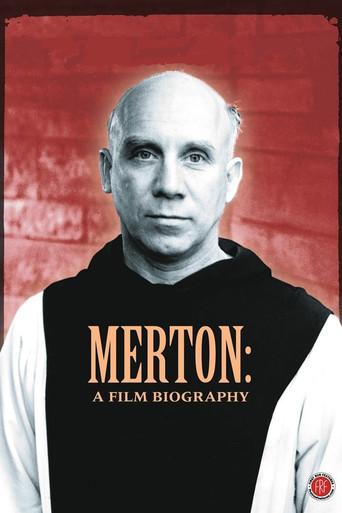
In his lifetime, Thomas Merton was hailed as a prophet and censured for his outspoken social criticism. For nearly 27 years he was a monk of the austere Trappist order, where he became an eloquent spiritual writer and mystic as well as an anti-war advocate and witness to peace. Merton: A Film Biography provides the first comprehensive look at this remarkable 20th century religious philosopher who wrote, in addition to his immensely popular autobiography The Seven Storey Mountain, over 60 books on some of the most pressing social issues of our time, some of which are excerpted here. Merton offers an engaging profile of a man whose presence in the world touched millions of people and whose words and thoughts continue to have a profound impact and relevance today.
Merton: A Film Biography

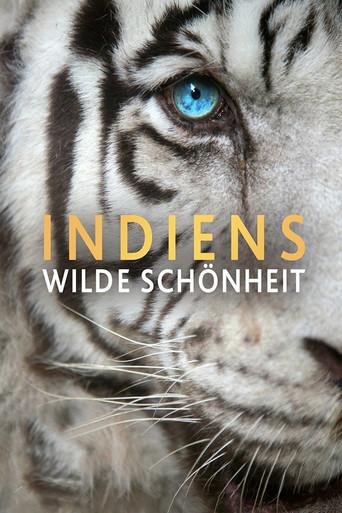
India - unique in its diversity and breathtakingly beautiful. The subcontinent is characterized by scenic, cultural and ethnic diversity. After China, India is the second most populous country in the world. Despite growing space needs, there are efforts to preserve the wilderness through nature reserves and protected areas. So India still provides habitat for rare species such as the Bengal tiger or the Indian elephant. The 5-part series "India's wild beauty" leads to the most spectacular and beautiful regions and their inhabitants. The complete series in five parts: 1 The Thar Desert 2 In the jungle, the Ghats 3 Life on the holy river 4 The Himalayas 5 In the land of Naga
India's Wild Beauty

Street art, creativity and revolution collide in this beautifully shot film about art’s ability to create change. The story opens on the politically charged Thailand/Burma border at the first school teaching street art as a form of non-violent struggle. The film follows two young girls (Romi & Yi-Yi) who have escaped 50 years of civil war in Burma to pursue an arts education in Thailand. Under the threat of imprisonment and torture, the girls use spray paint and stencils to create images in public spaces to let people know the truth behind Burma's transition toward "artificial democracy." Eighty-two hundred miles away, artist Shepard Fairey is painting a 30’ mural of a Burmese monk for the same reasons and in support of the students' struggle in Burma. As these stories are inter-cut, the film connects these seemingly unrelated characters around the concept of using art as a weapon for change.
Art as a Weapon
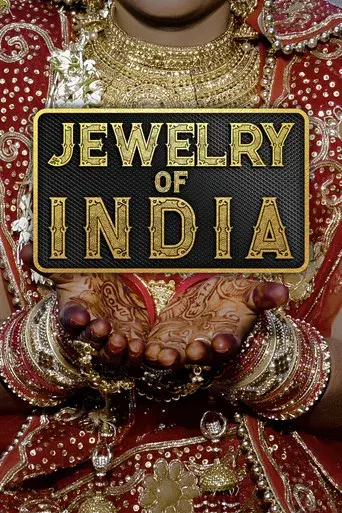
Mother India is home to many castes, tribes and religions and one common factor that brings this diverse country all together is Jewelry. Come explore the deep history and culture of the jewelry of India dating back more than 5000 years. As we explore the history we also take you into Bangalore, India and talk to local Jewelry Stores and Jewelry Artisans as they share their stories and their family history of their involvement in jewelry going far back into their family ancestry.
